
Blog
On the ArtRate.art blog, we write about the real market value of works of art, antiques, and collectible objects. Not about wishful prices. Not about sensations. We analyze the auction, private, and dealer markets, showing what truly determines an object s value: provenance, condition, rarity, authenticity, and the current market context. This is a place for those who want to understand valuation mechanisms, rather than rely on assumptions, myths, or isolated auction records. Facts. Comparisons. Experience. No simplifications. No marketing promises.
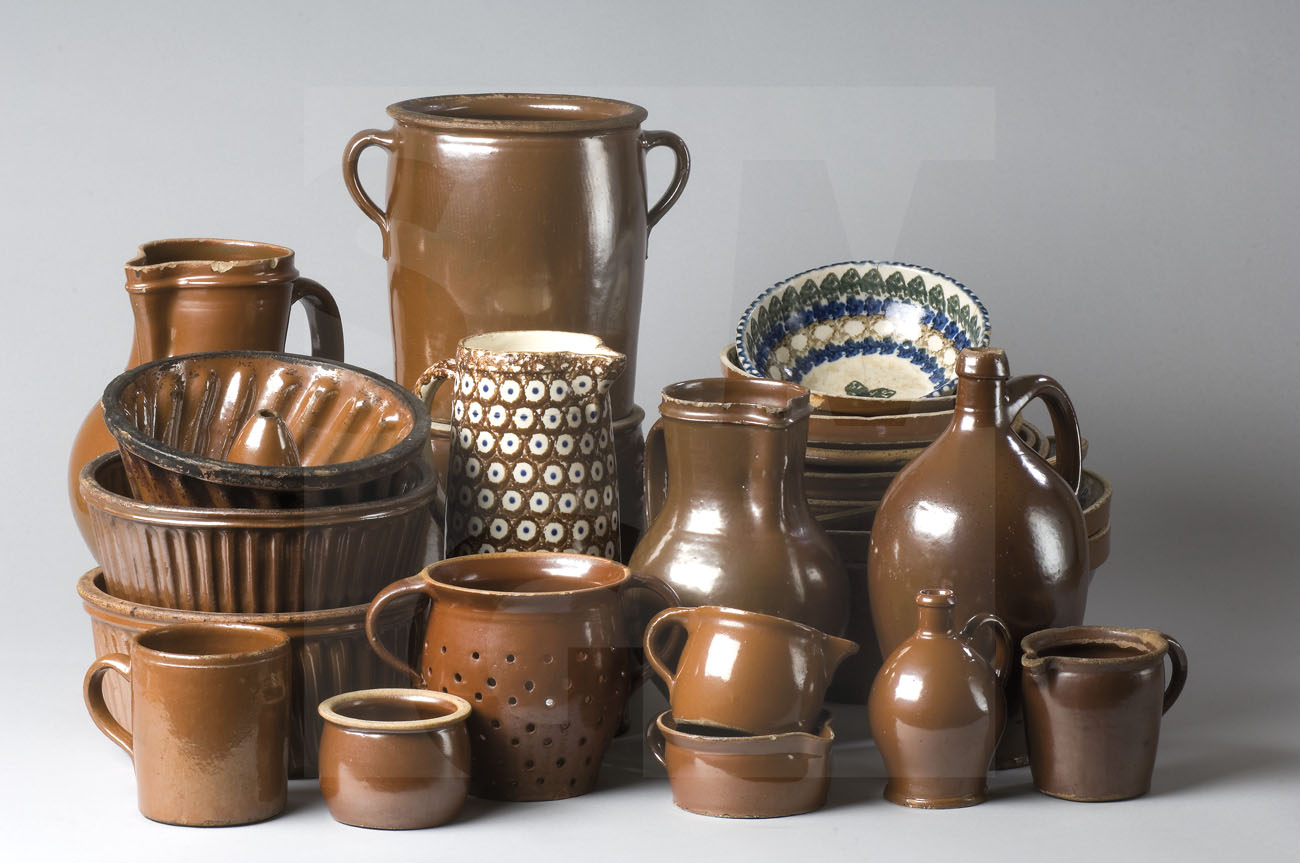
Bolesławiec Pottery – Mass Production or a Collector’s Gem?
Bolesławiec pottery is stoneware utilitarian and decorative ware produced in the Bolesławiec region, decorated using stamp technique, hand painting, or mixed methods. Professional appraisal includes analysis of the production period, manufacturer’s mark, type of decoration, quality of glaze, condition, and provenance. According to ArtRate.art analyses, the real market value of Bolesławiec pottery depends on chronology,

Polish Vintage Glass – Horbowy, the PRL Period and the Secondary Market. A Trend or a Lasting Collectors’ Segment?
Polish vintage glass from the 1960s–1980s includes artistic and utilitarian glass produced by glassworks operating during the PRL period, designed by industrial designers and manufactured serially or semi-serially. Professional appraisal includes analysis of project authorship, glassworks, production technology, condition, rarity of the model, and provenance. According to ArtRate.art analyses, the real market value of glass

Cartier and the Art of the World. How Jewelry Was Created That United 3,000 Years of History
At the beginning of the twentieth century, something happened in the Parisian jewelry salons that would forever change the history of artistic jewelry. The House of Cartier, already an acknowledged symbol of luxury, ceased to be merely a maker of precious ornaments. It became a translator of cultures, a creator of bridges between civilizations—an artist

“Problematic” objects – law, export, restrictions, and their impact on price
A “problematic” object is a work of art, antique, or collectible whose circulation is restricted by law, export regulations, protected-heritage status, permit requirements, or unclear provenance affecting due diligence. Within the ArtRate.art framework, analysis includes real market value, professional valuation based on comparative analysis, segment liquidity, legal and reputational risk, compliance costs, condition, provenance, and
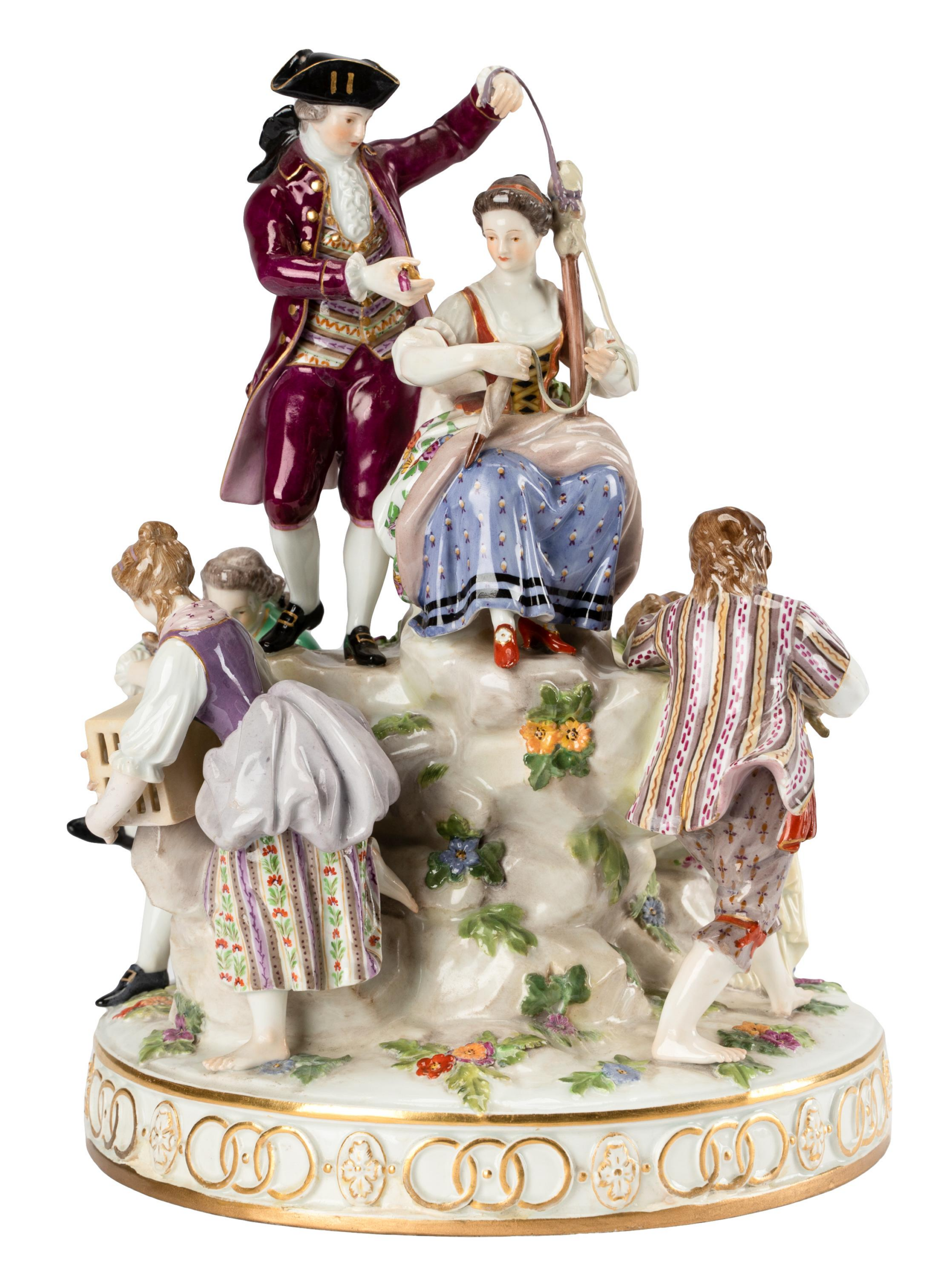
Why some objects sell only once – and then disappear from the market
A “one-time” object is a work of art, antique, or collectible that appears on the market only once and does not reappear in subsequent public transactions or visible secondary-market channels. Within the ArtRate.art framework, analysis includes real market value, professional valuation based on comparative analysis, the quality of market debut, segment liquidity, condition, provenance, and
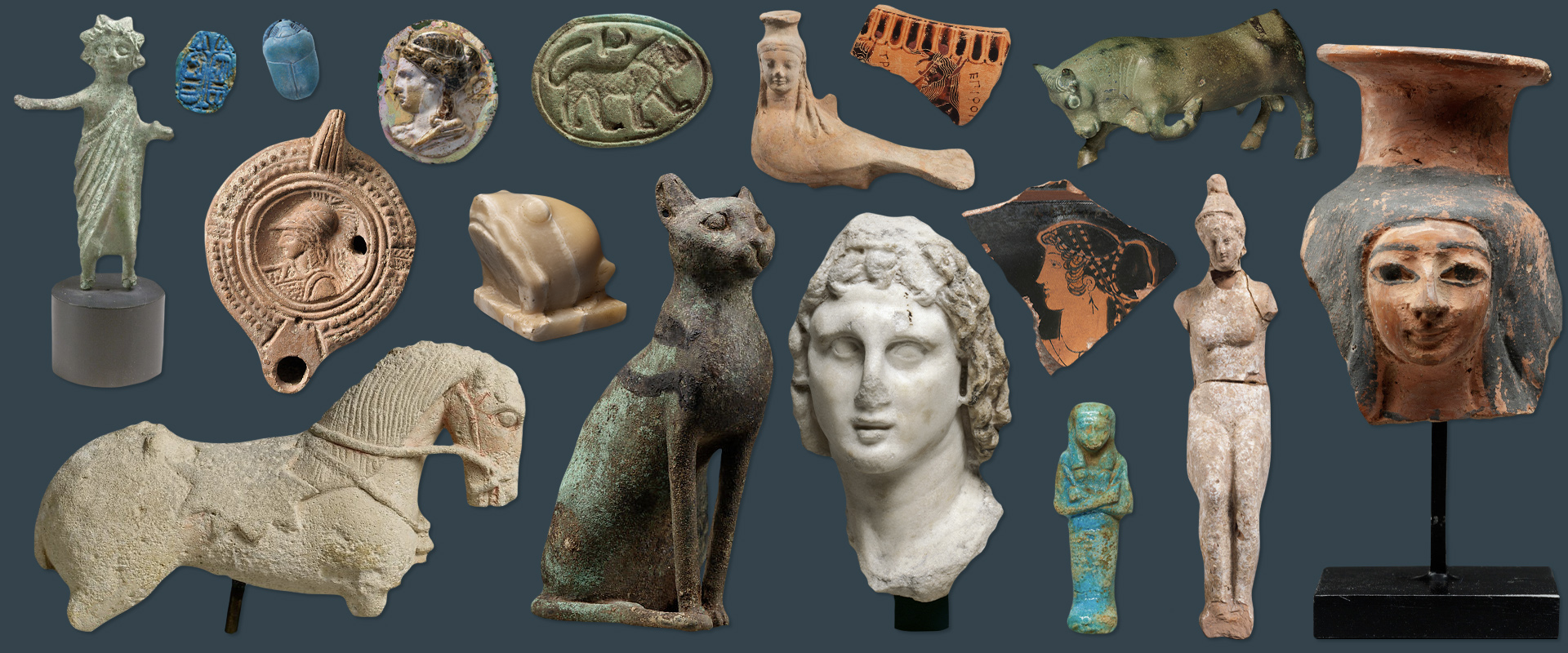
The impact of social media on the short-term value of art and vintage
The short-term value of art and vintage under the influence of social media is a temporary deviation of demand and prices resulting from algorithmic exposure, without a proportional increase in verifiable data and transaction history. Within the ArtRate.art framework, analysis includes real market value, professional valuation based on comparative analysis, demand dynamics, the quality of

When the absence of a signature works in favor of an object
The absence of a signature is a situation in which an object does not bear a clear authorial identifying mark in its original layer, and its attribution is based on formal, technological, and comparative features. Within the ArtRate.art framework, analysis includes real market value, professional valuation based on comparative analysis, identification of workshop and school,
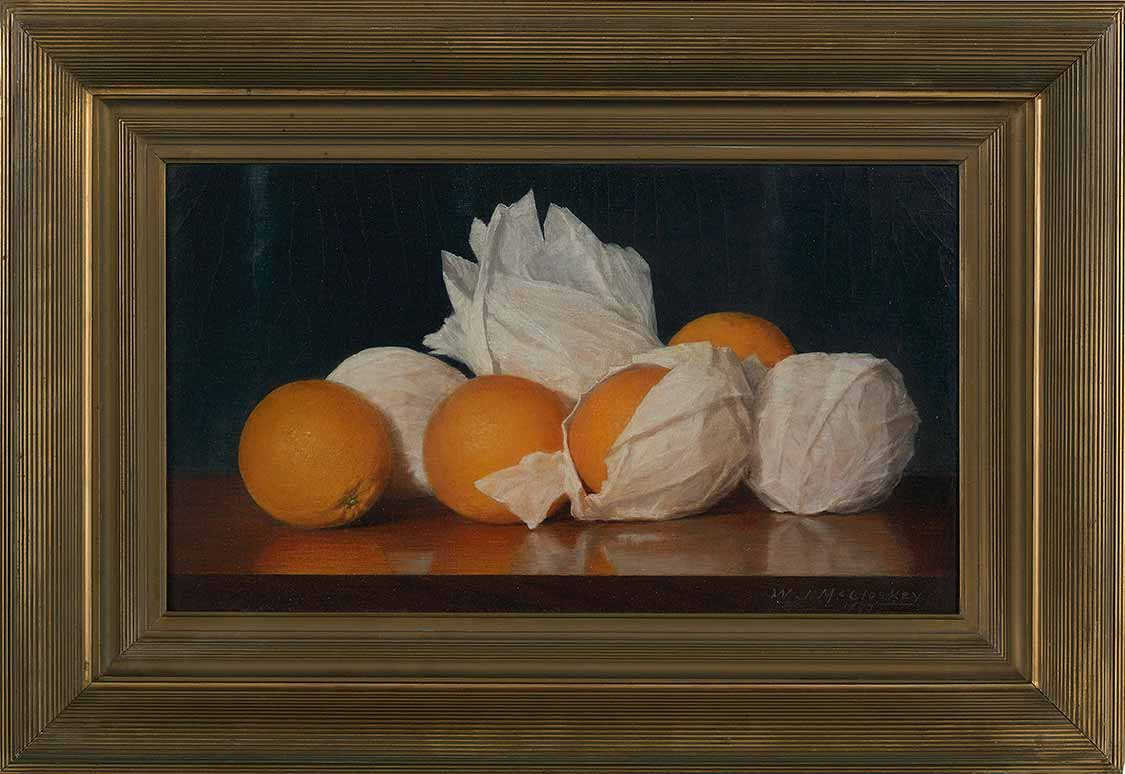
“Drawer objects” – how the market reacts to works never previously shown
A “drawer object” is a work of art, an antique, or a collectible object that has remained outside the market and public circulation for a long period, without any exhibition, auction, or verifiable sales history. Within the ArtRate.art framework, the analysis of such objects includes identification, comparative data, real market value, condition, provenance, attribution and

21st-Century Forgeries – Why Preliminary Expert Analysis Is Now a Necessity Before Valuation and Sale
The art, antiques, and collectible objects market has always faced the problem of forgery. What has changed in the 21st century is not the existence of fakes, but their nature, scale, and level of sophistication. Contemporary forgeries are rarely crude imitations. Increasingly, they are objects produced by individuals who understand historical techniques, materials, stylistic language,

Collecting in the 21st Century – Between Passion, the Market, and Real Value
Collecting in the 21st century takes place under conditions radically different from those of previous decades. Digital access to auction archives, online sales platforms, image databases, and price histories has transformed collecting from a largely intuition-driven activity into a data-visible market practice. Passion remains a central motivation, but it no longer determines value. Today, the
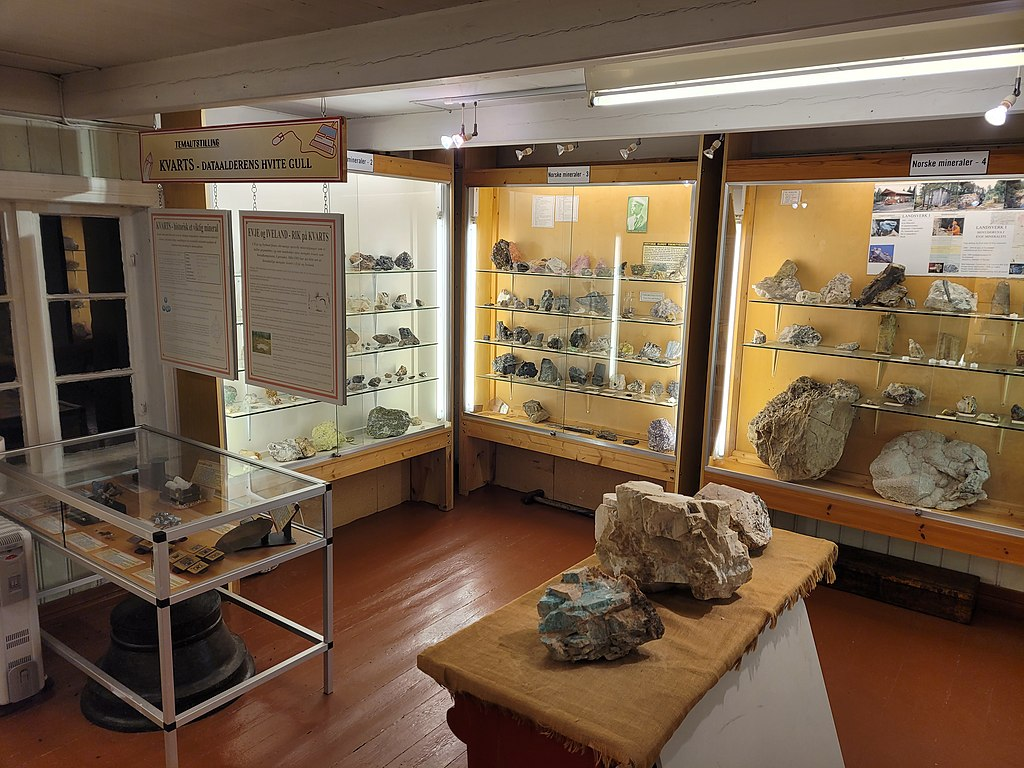
Can every collection acquire historical value?
The historical value of a collection is its capacity to document cultural, technological, or social phenomena in a verifiable manner, independently of the current market price of individual objects. Within the ArtRate.art framework, analysis includes real market value, the standard of identifying data, condition, provenance, coherence of selection criteria, and the applicability of professional valuation

Objects that endured: collecting as a form of heritage protection
Heritage protection in the context of collecting means maintaining material objects in a condition that allows their identification, verification, and transmission over time, together with information about origin, condition, and the history of interventions. Within the ArtRate.art framework, analysis includes real market value, the standard of identifying data, condition, provenance, maintenance costs, and the consequences