
Blog
On the ArtRate.art blog, we write about the real market value of works of art, antiques, and collectible objects. Not about wishful prices. Not about sensations. We analyze the auction, private, and dealer markets, showing what truly determines an object s value: provenance, condition, rarity, authenticity, and the current market context. This is a place for those who want to understand valuation mechanisms, rather than rely on assumptions, myths, or isolated auction records. Facts. Comparisons. Experience. No simplifications. No marketing promises.
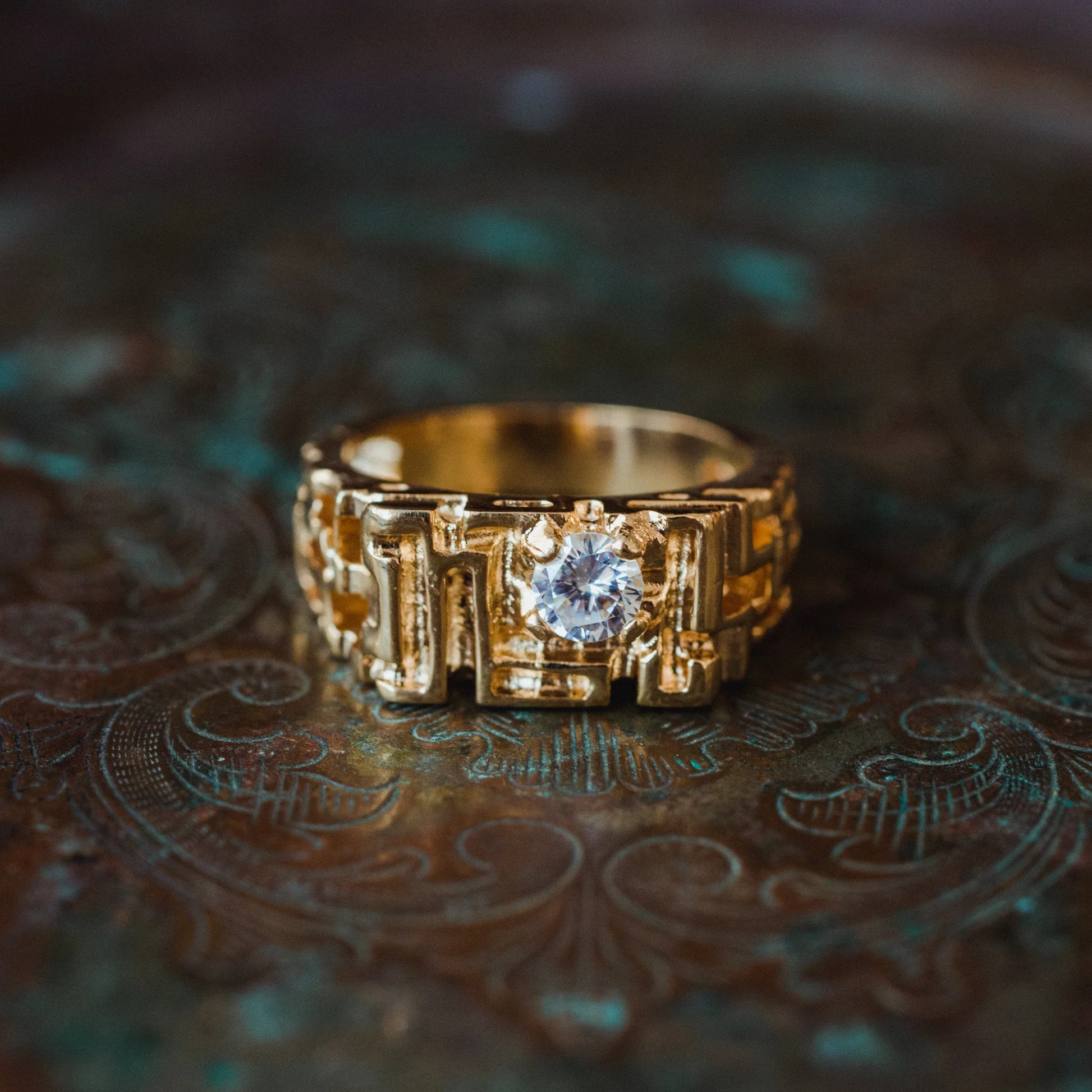
Gold as a Collectible Object
When is gold merely a precious metal, and when does it become an object of historical and market value? Gold has for centuries functioned as a synonym of value, durability, and security. In the minds of art and antique owners, it often holds a privileged position: “gold always has value,” “gold never loses value,” “gold

Family Provenance on the Art Market: Asset or Trap?
– why “it’s been in the family for generations” is not a market argument Owners of artworks and antiques very often start the conversation about value with the sentence: “This has been in our family for generations.” There is nothing wrong with that phrase — there is emotion, memory, the history of a home. The
Mistakes Art Owners Make That LowerValue Before a Sale– often irreversibly – often irreversibly
On the art and antiques market, the most expensive losses rarely result from a “bad auction” or unsuccessful price negotiation. In practice, most value leaks away earlier — at home, in storage, in emotions, and in haste. An owner who stores a painting, sculpture, or historic object for years often, without realizing it, performs a
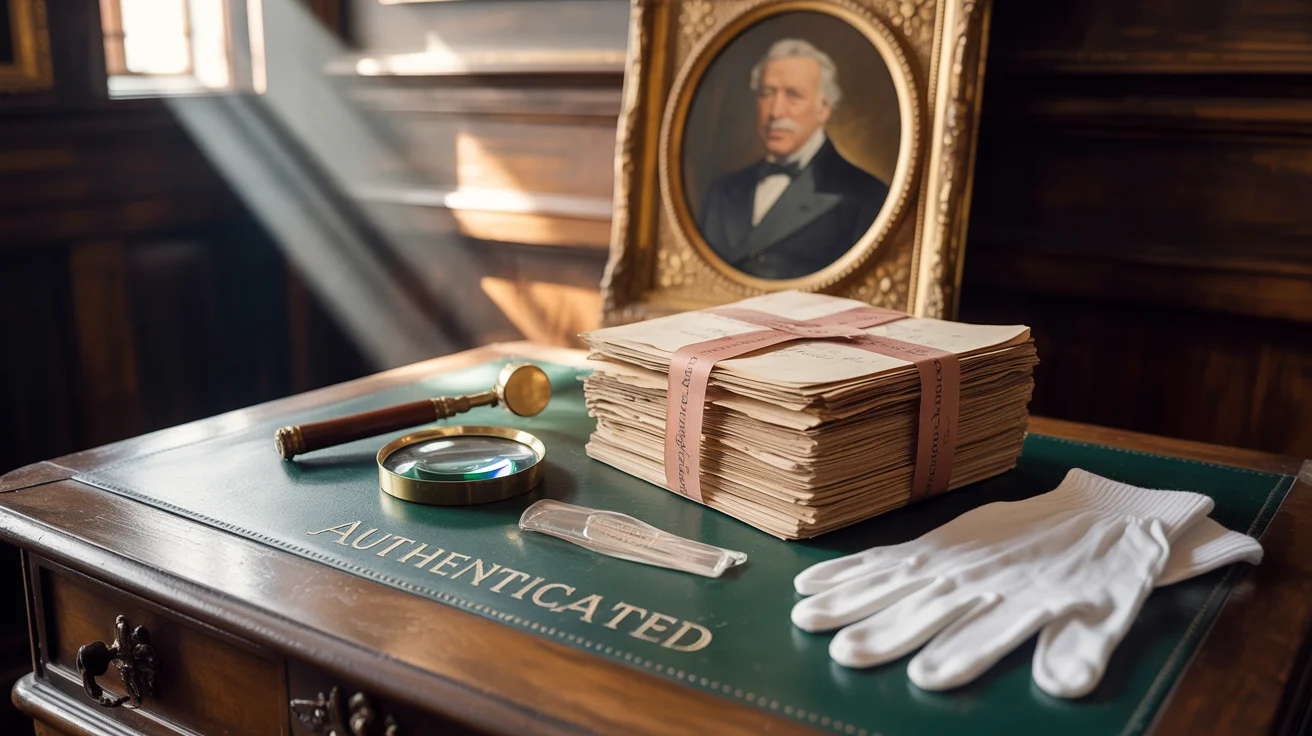
Why an Appraisal Document Matters MoreThan the Number Itself
– legal, insurance, and financial consequences In the art and antiques market, the belief still dominates that an appraisal comes down to one number. The owner wants to know “how much it is worth,” preferably quickly and unequivocally. The number itself becomes the goal, and the document — a supplement that is rarely read carefully.
Signature: When It Is Crucial and When ItMeans Nothing
– and why its presence can be misleading Signature is one of the most overvalued elements of an object on the art and antiques market. For many owners it is almost synonymous with value: if there is a signature, then it “must be the original,” and if it is the original, then it “must be
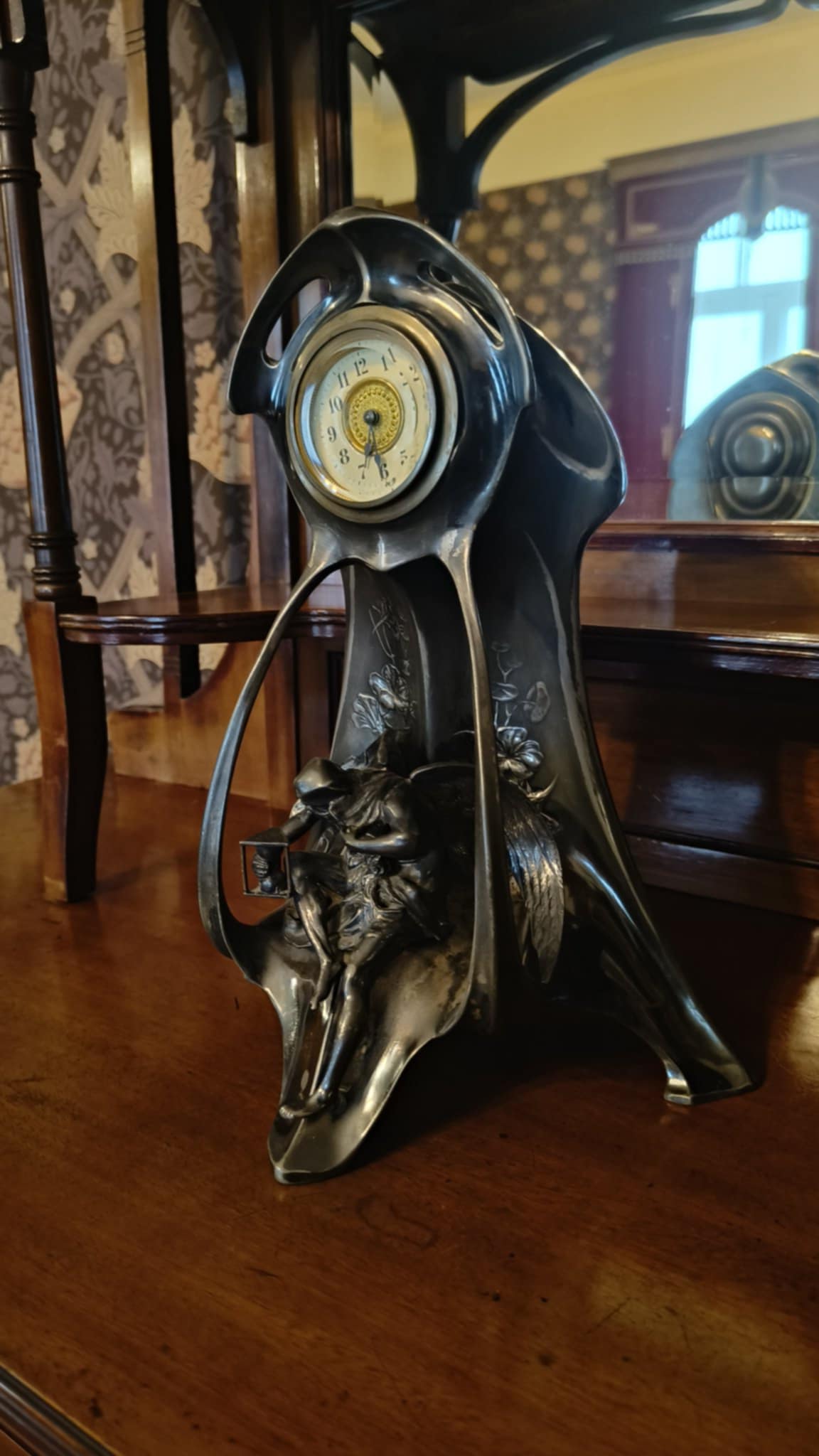
Why Online Valuations and “AI Price Checks” Fail in Art and Antiques – The Limits of Algorithms in a World of Unique Objects
The art and antiques market loves simple answers. Owners want to hear one number. Preferably fast, free of charge, without the need to speak to an expert, without “bothering” with documents. This is where online calculators, price comparison tools, automated “valuations” on auction platforms, and today’s fashionable “AI price checks” appear. They promise a verifiable,
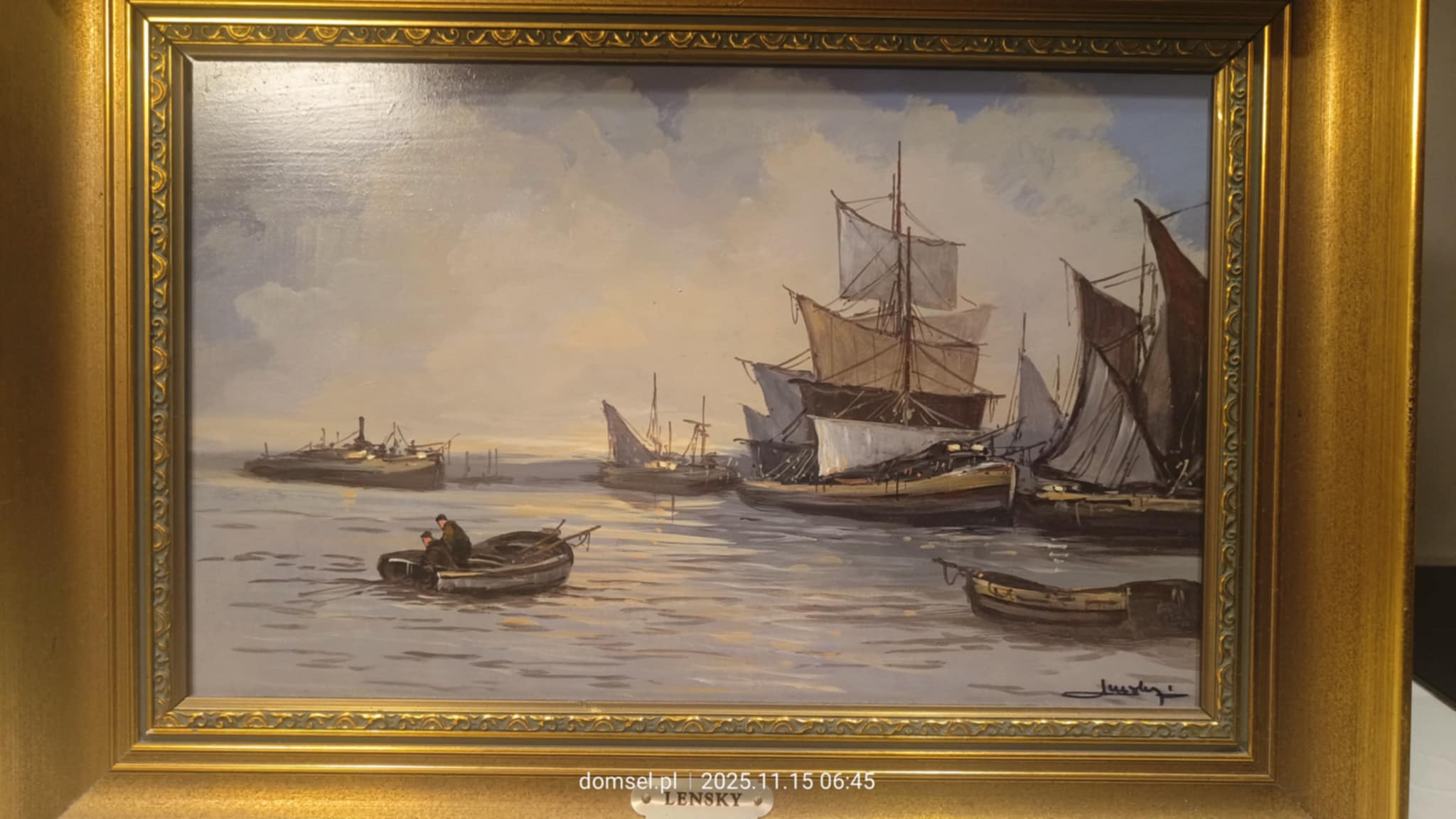
Private Sale or Auction? Situations in Which the Choice of Sales Channel Determines Hundreds of Thousands in Difference
One of the most underestimated elements of the art and antiques market is the choice of sales channel. Owners tend to focus on the author, age, condition, and “potential price,” treating the method of sale as a secondary issue. Meanwhile, from the perspective of long-term market practice, the decision—auction or private sale—often determines not a
How the international market changes the valuation of an object located in Poland – and when a local sale is a strategic mistake
Owners of works of art and antiques in Poland often think about valuation in a geographically “closed” way: “How much is it worth here?” This question sounds reasonable, but it can be costly. Because the art market does not function like the real estate market, where location is the foundation of price. In art, the

Rarity versus demand – why a unique object can be worth less than a serial work
One of the most deeply rooted myths of the art and antiques market is the belief that rarity automatically means high value. Owners often say: “It is the only example,” “There is no other,” “It is an absolute unique piece” — and expect the market to respond with enthusiasm. Meanwhile, the market reacts coolly. Because

Why the Price of an Artwork Is Almost Never Its True Value
In the art and antiques market, one question returns constantly: “How much is it worth?” It seems simple. One only needs to check auction results, sales platforms, or similar objects available online. In practice, however, the price we see rarely reflects the actual market value of an object. After forty years of analysing the auction

Condition: the factor that determines price yet is ignored by owners – why “visually good” does not mean “market-acceptable”
Owners of antiques and works of art share one common tendency: they assess an object the same way they would a household item. They look at whether it “looks nice,” whether it “has no major damage,” whether it “hangs well and pleases the eye.” The market, however, looks differently. For the market, condition is not

Provenance Without Illusions – When It Truly Increases Value and When It Is Merely a Sales Narrative
In the trade of antiques and works of art, the word “provenance” functions almost like a spell. It appears in auction catalogues, gallery descriptions, and private conversations between sellers. It is meant to suggest certainty, stature, and uniqueness. Yet from the perspective of a market that has seen thousands of objects and just as many