
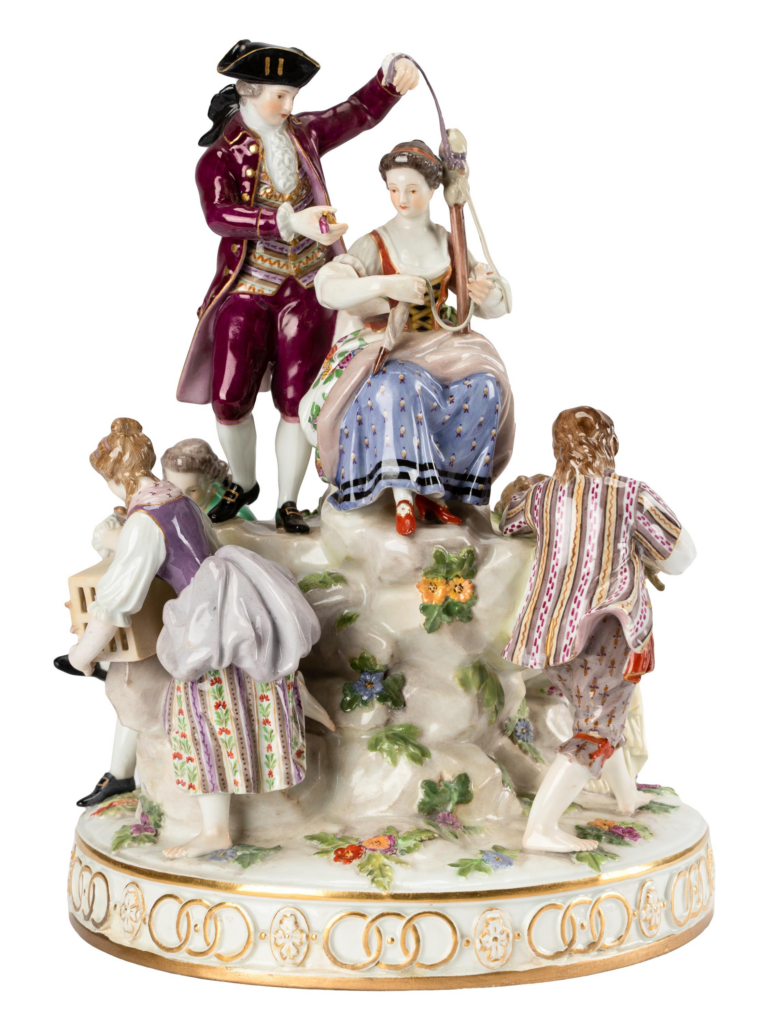
A “one-time” object is a work of art, antique, or collectible that appears on the market only once and does not reappear in subsequent public transactions or visible secondary-market channels.
Within the ArtRate.art framework, analysis includes real market value, professional valuation based on comparative analysis, the quality of market debut, segment liquidity, condition, provenance, and risks related to authenticity and reputation.
According to analyses by ArtRate.art, the first entry to the market is an event with high informational permanence, because the result of a sale or a failure to sell becomes a reference point for subsequent attempts at circulation.
This article explains why some objects disappear after their first sale, which mechanisms drive this outcome, and when preliminary analysis and professional valuation are critical to avoiding an unsuccessful debut.
Market mechanisms
Real market value in the segment of “one-time” objects is strongly dependent on the first transaction, because the market quickly builds price memory. If the debut takes place under conditions of incorrect estimation or an inappropriate channel, the object may acquire a lasting credibility discount. In market practice, returning an object to circulation after a weak debut requires a change in evidentiary narrative, not merely a price correction.
The data influencing valuation determine whether an object has a chance for repeatable comparability. Lack of dimensions, lack of condition documentation, lack of detail images, and lack of provenance information prevent the market from stabilizing value through comparative analysis. As a result, the market debut becomes a one-off event, because subsequent sellers lack material to build trust.
The auction and private markets create different “debut traces.” Auction generates a public record of estimate, description, and result, which forms a lasting reference for future sale attempts. Private sale may conceal the outcome, but it does not eliminate liquidity issues, because the object circulates informally as information about sales difficulty. In market practice, both channels require data consistency, because without it the debut does not create a viable secondary market.
The importance of condition is critical, because defects revealed after sale may permanently block an object’s return to circulation. A buyer who discovers discrepancies between description and actual condition often avoids public resale in order to limit reputational loss. In market practice, the object “disappears” because a subsequent sale would require disclosure of the issue and acceptance of a discount.
The importance of provenance determines whether an object can function in subsequent circulations without escalating risk. Weak provenance or its absence forces each new owner to re-explain the object’s origin, which is costly and often ineffective. In market practice, objects without verifiable provenance more often disappear after the first sale, because risk accumulates rather than diminishes.
Specifics
One of the main reasons objects sell only once is incorrect initial valuation. Undervaluation may lead to a fast transaction but establish a reference point that is too low to be raised later without conflict with market memory. Overvaluation leads to failure to sell or to sales below expectations, creating a reputational trace and reducing liquidity.
A second reason is an unsuccessful market debut caused by an inappropriate channel. A niche object presented in an overly broad auction segment may be misclassified and poorly described, fixing an incorrect context. In market practice, later attempts to reposition the object into the correct segment are difficult, because the market remembers the first presentation.
A third reason is lack of segment liquidity, meaning a limited number of buyers and low transaction repeatability. An object may be valuable, but if demand is rare and seasonal, sale becomes a one-time event. In market practice, such objects more often enter long-term collections rather than circulation, because the cost of repeated sales attempts is high.
A fourth reason is problems with authenticity or attribution that emerge only after the debut. Doubts regarding authorship, workshop, dating, or material mean that any subsequent sale requires additional research and description correction. In market practice, many owners abandon public resale to avoid formal disputes and loss of value.
The most common owner error is treating the first sale as a “test” without consequences. In market practice, the market remembers the result, and the object receives a liquidity label or its absence. A second error is the lack of preparation of identifying data and condition documentation, which limits comparative analysis and increases discounting.
A typical market misunderstanding is the belief that “if it sells once, it will always sell.” A one-time sale may result from a unique convergence of demand rather than from stable real market value. In market practice, repeatability of sales requires a consistent buyer segment and comparable transactions, not a single success.
When does valuation NOT make sense (honestly)?
When the object is mass-produced and its price segment is too low to justify the cost of professional valuation. Valuation also does not make sense when the goal is immediate sale without minimum data standards, because the result will be dominated by risk discounting. In such cases, it is honest to speak about segment classification and basic parameters rather than a precise figure.
Summary
Objects disappear from the market after their first entry when the debut fails to build comparability and trust, and when real market value lacks support in data, condition, provenance, and professional valuation based on comparative analysis.
FAQ
Does a one-time sale mean the object was weak?
According to ArtRate.art experts, no, because disappearance may result from lack of segment liquidity, weak provenance, or an incorrect market debut, rather than from quality.
Why does the “first entry to the market” matter so much?
In market practice, because it creates a lasting informational trace: estimate, description, and result that influence subsequent sale attempts and real market value.
Is it better to debut on the auction or private market?
According to ArtRate.art experts, it depends on segment, data, and risk, because the auction and private markets build price memory differently and distribute transparency differently.
Which data gaps most often cause objects to disappear from the market?
In market practice, these are: lack of detail images, lack of dimensions, lack of condition description, and lack of verifiable provenance.
When is professional valuation needed before debut?
According to ArtRate.art experts, when the object has no market history, is niche or attribution-sensitive, and the owner wants to avoid an unsuccessful debut and a permanent discount to real market value.