What does the market consider when valuing premium pocket and wristwatches?
(from manufacture to movement)
A watch may be a keepsake, an ornament, and a witness to its era — but on the antiques market it is, above all, an object that must be defended by facts. Owners often begin with family stories (“from my grandfather,” “from a good home,” “surely solid gold”), while the professional market starts with questions as cold as steel: who made the watch, what is inside it, what condition it is in, whether everything is original, and whether its value can be supported by comparable transactions. Only then does sentiment enter the picture.
In the premium and collector segment, value does not stem from age alone. A nineteenth-century pocket watch may remain purely decorative if it was mass-produced, worn down by repairs, or poorly documented. Conversely, a younger but technically outstanding and exceptionally well-preserved example can command surprisingly high prices.
The key factor is whether the object is “market-defensible”: recognizable, correctly described, complete, and attractive to a specific group of buyers.
Manufacture and the “name” of the watch
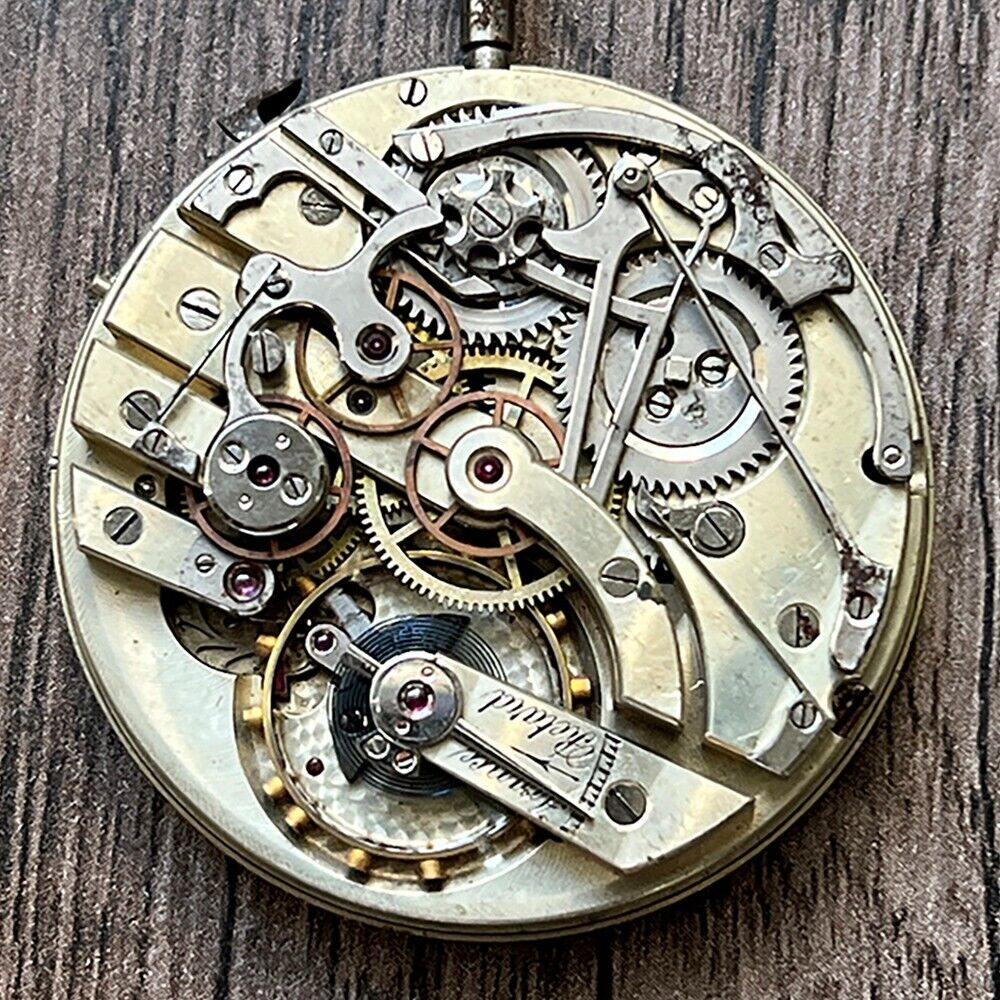
The first layer of valuation is the brand — understood historically, not commercially. Collectors value manufactures with documented quality, innovation, and consistency of execution. In pocket watches, importance is also attached to a role in the history of timekeeping: chronometer makers, railway suppliers, and brands linked to naval use or export markets.
A crucial caution: a name on the dial does not guarantee anything. Retailer signatures or later-added inscriptions are common. The market rewards watches where the signature on the dial, the movement, and the case form a coherent whole.
The movement: the heart that defines the class
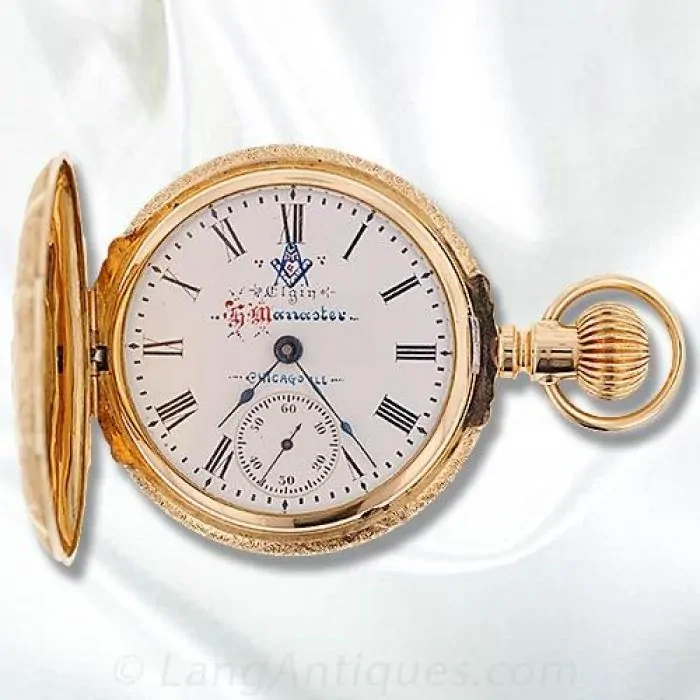
Premium valuation begins inside — with the movement. For high-grade pocket and wristwatches, the following aspects are essential:
- the type of winding and construction (key-wound, crown-wound; solutions characteristic of the period),
- the level of finishing (polishing, beveling, engraving, bridge quality, decoration),
- the number of jewels and the quality of regulation,
- complications (repeater, chronograph, calendar, moon phases, power-reserve indicators),
- chronometric standard and documentation of adjustment.
For the market, it matters not only whether the watch runs, but how it runs: amplitude, rate stability, smoothness of operation, wear of pivots, balance condition, and the completeness of original components.
A watch subjected to numerous repairs with mixed parts loses credibility, even if it appears attractive externally.
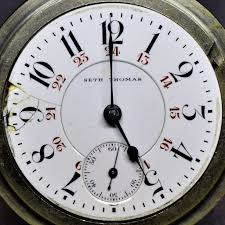
Case and materials: gold is not everything
The case can be misleading. Gold has intrinsic material value, but the collector market pays for coherence: the correct alloy, proper hallmarks, period accuracy, and the absence of aggressive polishing.
In pocket watches, particularly important are:
- the type of case (open face, hunter, demi-hunter),
- the condition of hinges and covers,
- the legibility of hallmarks and serial numbers,
- the absence of deformation and “rescue” soldering.
In premium wristwatches, attention also extends to bracelets, links, clasps, and the consistency of the crown and caseback with the reference. These details determine whether a watch is considered collectible or merely “nice.”
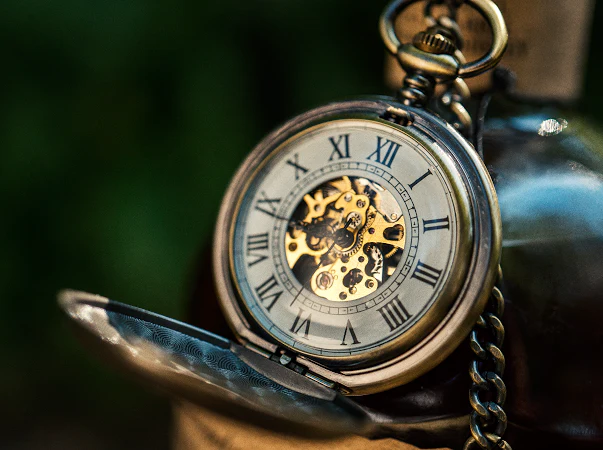
Dial, hands, crystal: authenticity of aesthetics
The most common mistake owners make is believing that a “refreshed” dial increases value. In reality, the market often prefers patina to fresh restoration.
Assessment includes:
- dial originality (whether it has been repainted, lacquered, or retouched),
- consistency of indices and typography with the period,
- hands (shape, length, style; whether they are original to the watch),
- crystal (original type, absence of modern replacements that compromise character).
In the premium segment, minor inconsistencies can reduce value more than a single visible scratch, because they undermine trust.
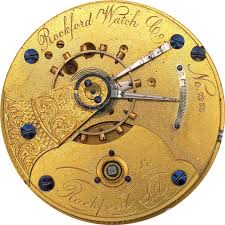
Condition and servicing: conservation versus “repairs”
The market distinguishes between professional servicing and repairs done merely “to make it run.” Proper servicing is documented and reversible, with minimal aesthetic intervention.
Anything bearing traces of amateur work — glues, aggressive polishing, undocumented replaced parts, forced fittings, soldering — acts as a price brake.
Paradoxically, a non-running watch may still be highly collectible if it is rare, complete, and historically “clean.” Premium buyers often prefer to pay for authenticity and have servicing performed by a trusted watchmaker rather than acquire a piece subjected to unknown interventions.
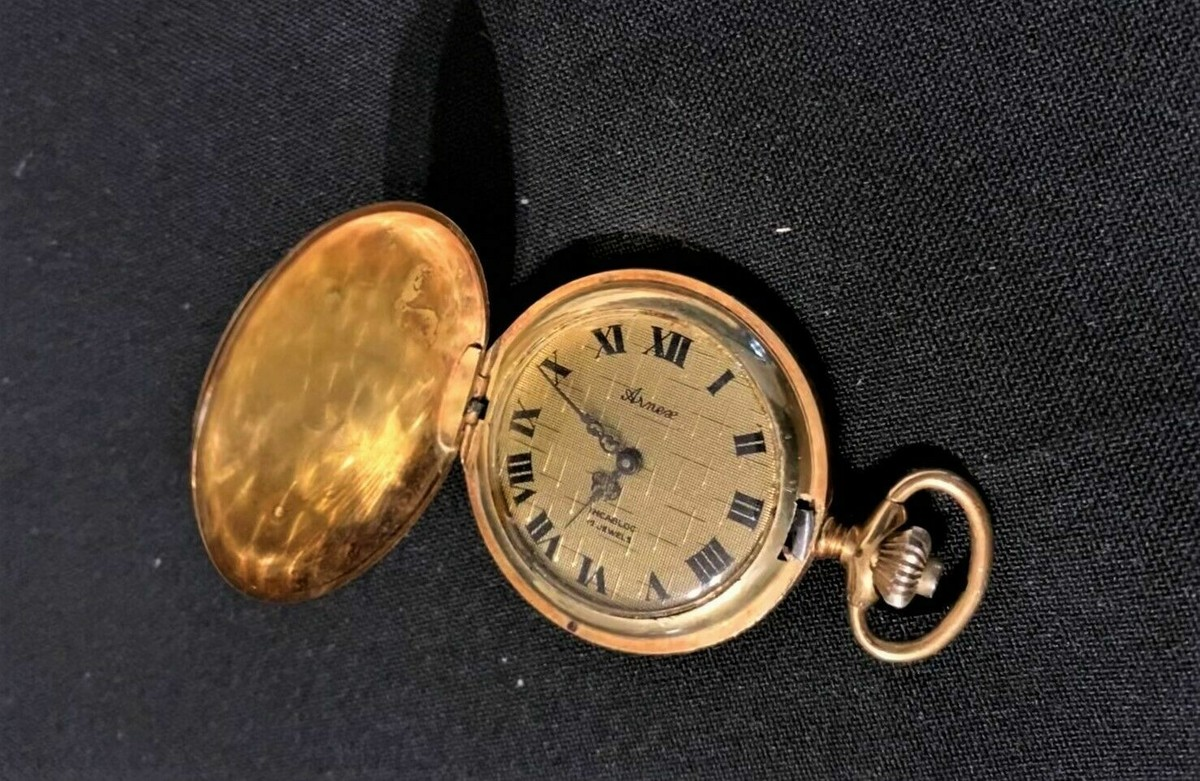
Provenance, documents, box: an additional currency of trust
In the premium segment, a simple rule applies: the fewer unanswered questions, the better the price. Original boxes, papers, service confirmations, archival photographs, registry entries, and even engravings with verifiable history can elevate an object to a higher tier.
This is not about romantic storytelling, but about verifiability.
Market comparability: asking price is not market price
The most sober stage of valuation is comparison: which watches of the same reference, in similar condition, have actually sold recently?
The market does not price “I saw a similar one for X,” but asks:
- did someone pay,
- where,
- in what condition,
- with what documentation.
Therefore, a professional description is part of the value. A watch lacking clear information (caliber, serial numbers, dimensions, case material, movement type, dial condition) is not “premium” in market terms, because it cannot be easily defended in resale.
Summary: when time has real value
In premium pocket and wristwatches, value is built not on age alone, but on quality, coherence, and credibility. The most expensive examples possess strong “DNA”: a recognizable manufacture, an excellent movement, original components, good condition, and documented history.
Everything else — even if apparently “old” and “gold” — often remains in the decorative segment.
If you are considering sale, insurance, or estate division, a fact-based valuation makes sense: identification of the movement, assessment of originality, and analysis of comparable transactions. In the collector’s world, time has value only when it can be proven.