Why not every Patek is expensive and what truly determines its market value?
In the world of watches, few names ignite the imagination as strongly as Patek Philippe. For some, it is the ultimate symbol of luxury; for others, a safe store of value; and for many owners, an implicit promise of a “guaranteed price.”
The collectors’ market, however, is unforgiving of simplifications. Not every Patek is expensive, not every one appreciates in value, and not every example has investment potential. The market value of a Patek Philippe watch emerges from a complex interplay of factors that professionals analyse calmly, without sentiment.
A brand that became a myth
Patek Philippe has built its position not merely as a manufacturer, but as a narrative: family continuity, independence, hand craftsmanship, and the highest complications. Since the nineteenth century, the brand has consistently addressed its creations to elites – royal courts, aristocracy, industrialists – and continues to do so today.
Yet myth does not equal automatic value. The market clearly distinguishes between “Patek as a name” and “Patek as a collectible object.”
Reference and production context
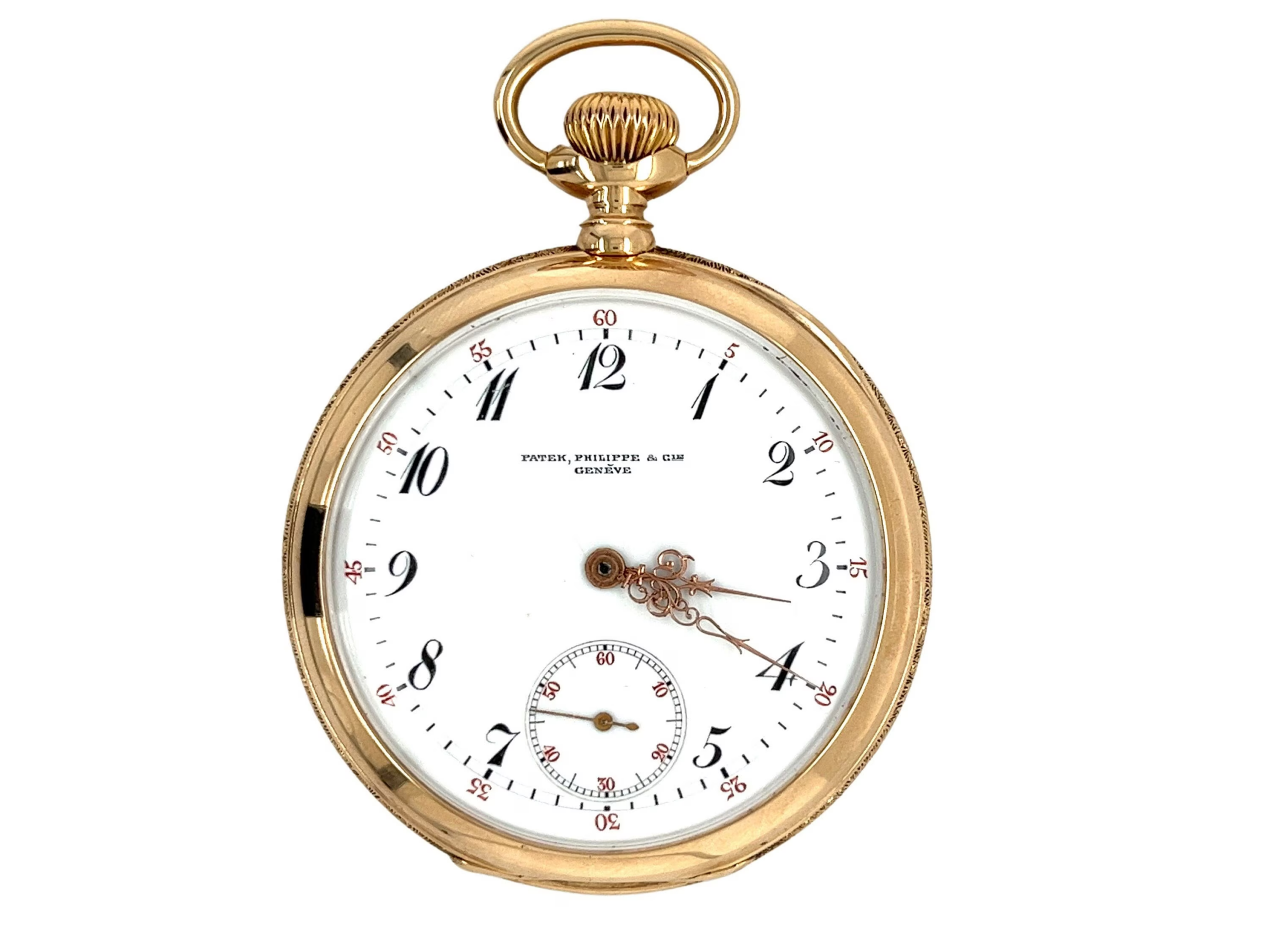
The first filter of valuation is the specific reference. Within a single brand, value differences can be dramatic. Simple time-only models from the second half of the twentieth century, produced for relatively long periods and in larger quantities, do not function on the market in the same way as rare references with complications or short production runs.
What matters:
- production years
- number of pieces made
- the model’s place in the brand’s history
- its original market positioning
The movement – the heart the market truly examines
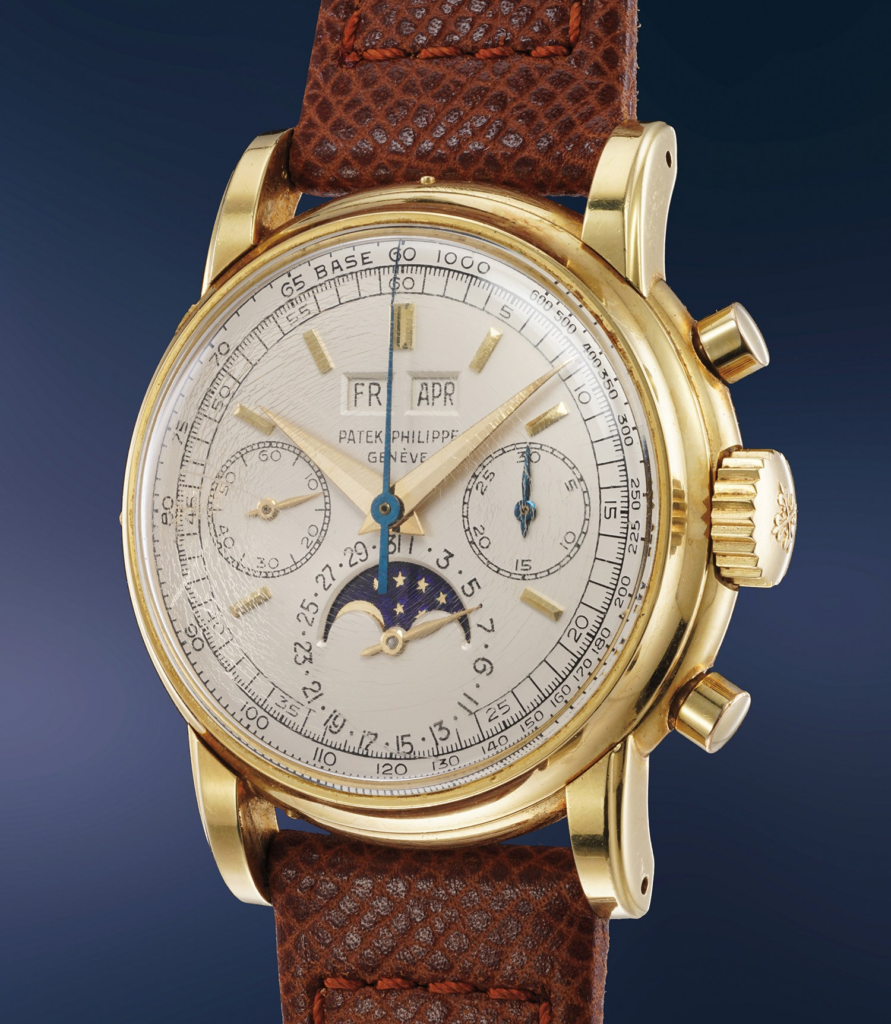
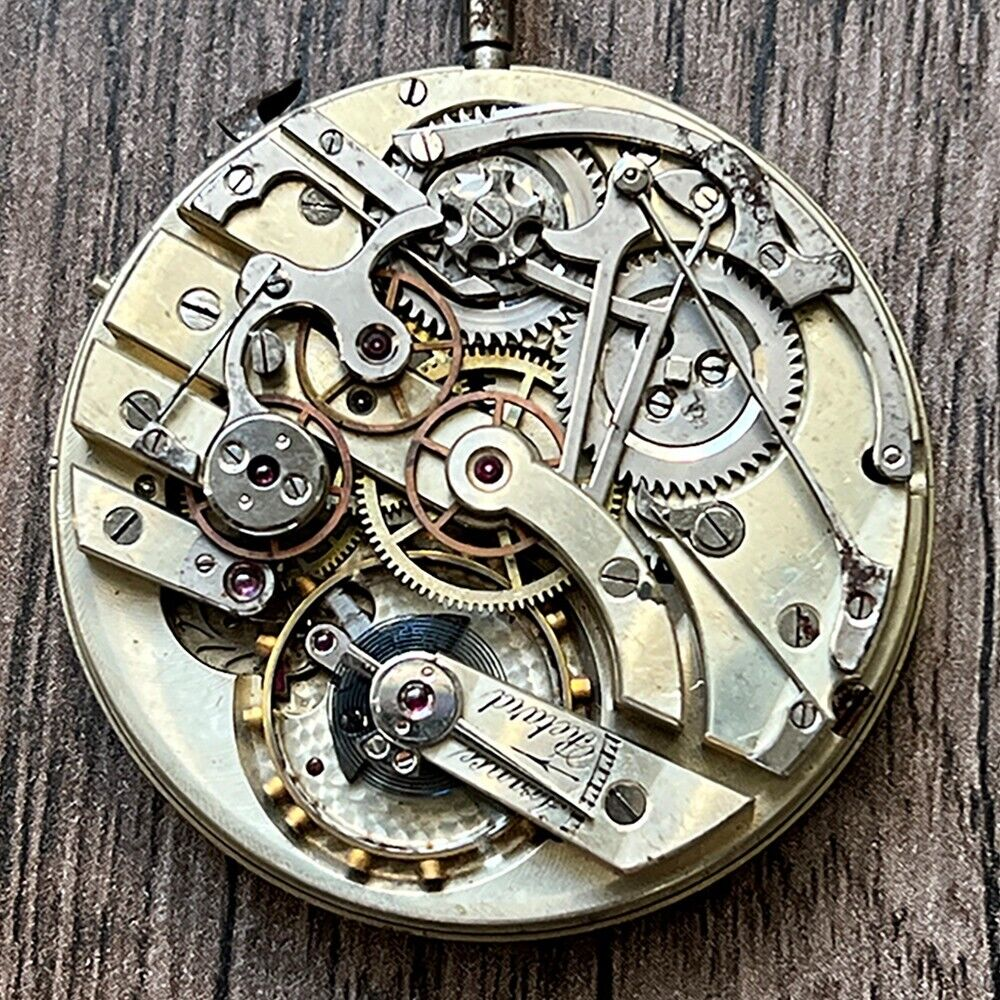
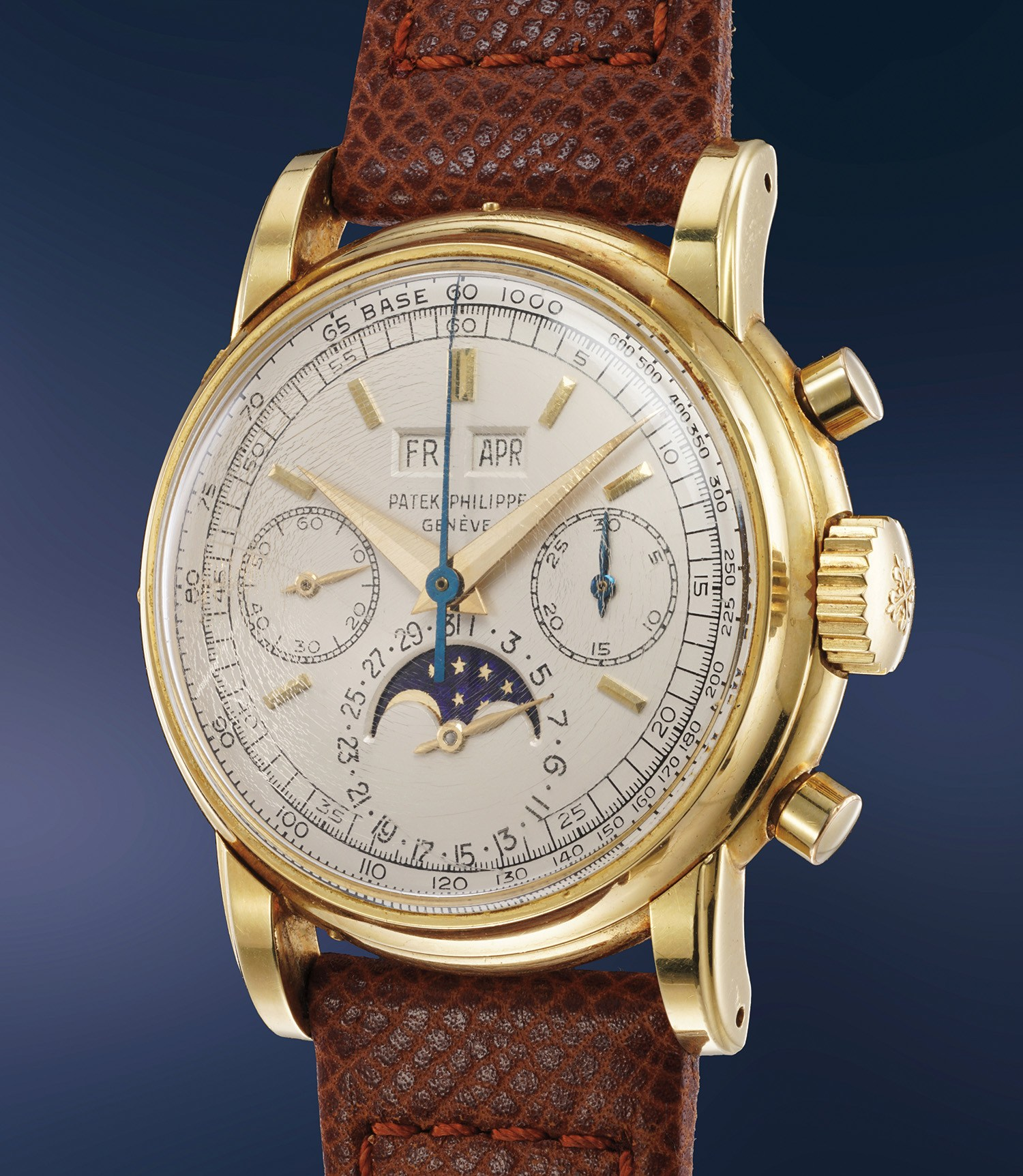
In Patek Philippe watches, the movement is not background; it is the foundation of value. Hand-finished calibres and complications such as perpetual calendars, minute repeaters, or split-seconds chronographs fundamentally change a watch’s market position.
Crucially, the market looks not only at “what” the movement is, but at “how” it is executed:
- finishing quality
- originality of components
- consistency between calibre and reference
- technical condition
A watch that has undergone intrusive interventions, contains replaced parts, or lacks documented servicing loses credibility – even when bearing a prestigious logo.
Condition and authenticity
Condition is among the most unforgiving valuation factors. Excessive case polishing, refreshed dials, or replaced hands can reduce value by tens of percent.
Paradoxically, the market often prefers natural patina to a “factory shine” achieved through restoration. In the premium segment, authenticity is paramount – the ability to defend the object in front of the next buyer.
Documents, box, archives
What is merely an accessory for many brands can be decisive for Patek Philippe. The original box, certificate, and above all the Extract from the Archives – the official confirmation of a watch’s data – significantly strengthen its market position.
The absence of documentation does not eliminate value, but it limits it and narrows the pool of potential buyers.
Why not every Patek is expensive
The market does not pay for the name alone. It pays for:
- rarity
- quality
- history
- the possibility of further resale
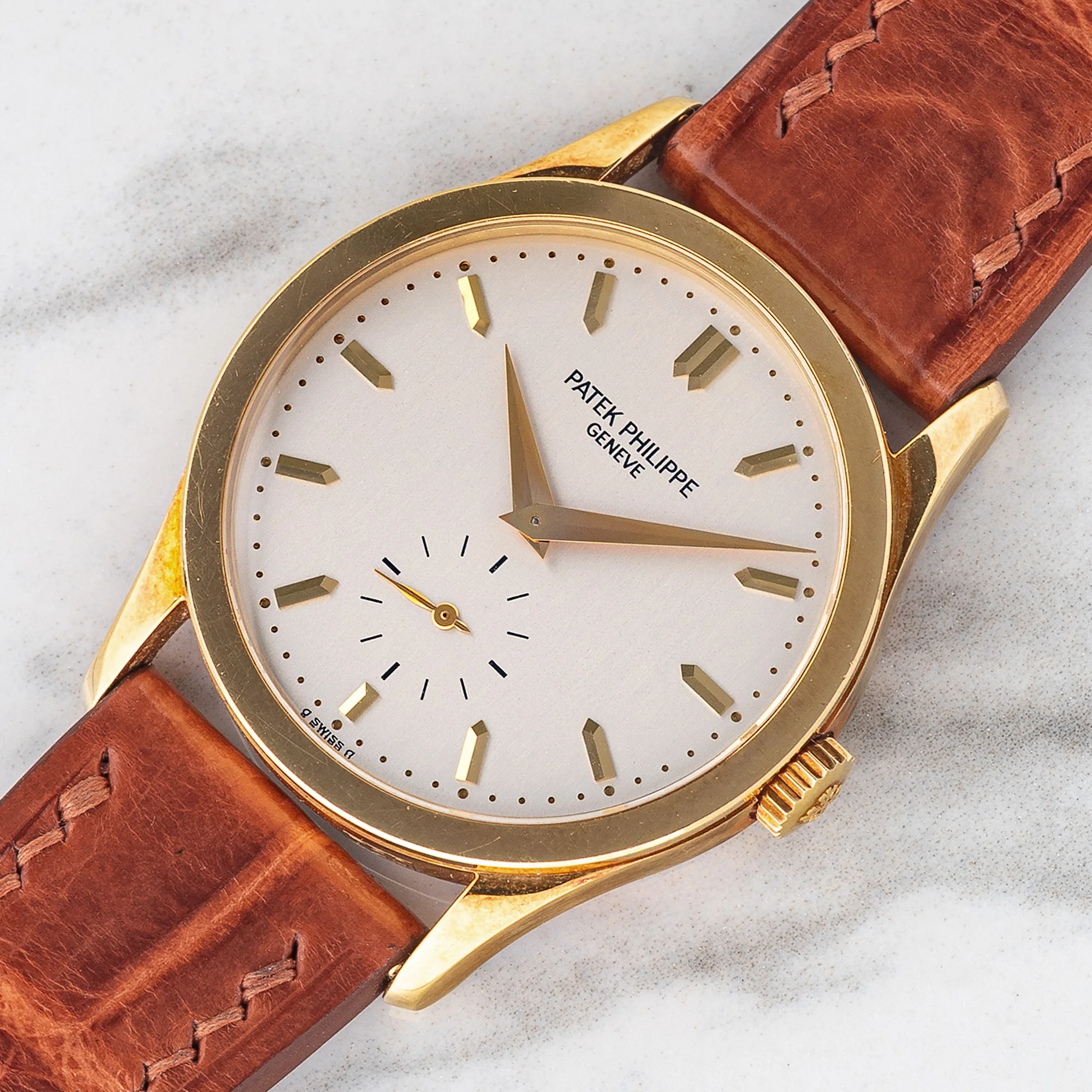
A simple Patek from the 1970s, in average condition and without documents, remains a luxury watch – but not necessarily an investment object. Conversely, an outstanding reference, even a younger one, if complete and exceptionally preserved, can achieve prices many times higher.
Asking price versus market price
Owners often confuse visible asking prices with actual transactions. The collectors’ market relies on comparable sales:
- identical references
- similar condition
- analogous documentation
Only on this basis can a realistic valuation be established.
Summary: myth under the control of facts
Patek Philippe remains one of the most important names in the history of watchmaking, but the market does not automatically reward every example.
Market value arises where:
- the right reference
- an exceptional movement
- authentic condition
- completeness
- credible history
intersect.
Myth attracts attention – but facts determine the price.