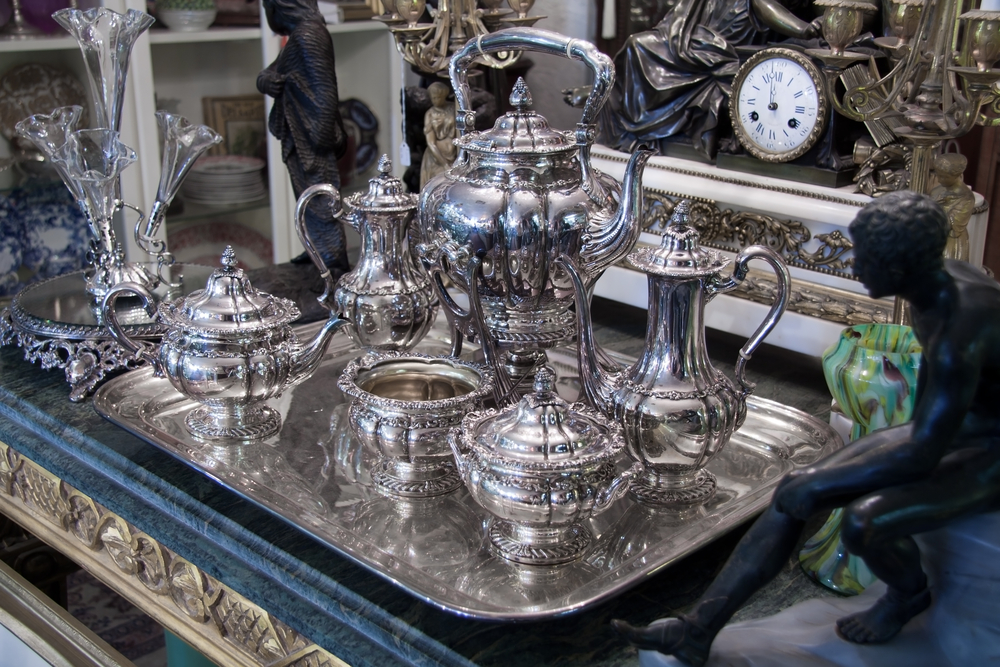
Silver has occupied a special place for centuries at the intersection of craftsmanship, utility, and symbolism. For some, it is an everyday material – present in cutlery or tableware – for others, a carrier of prestige, the sacred, or family memory. The antiques market, however, approaches silver with far greater detachment. Its value is not determined by sentiment, nor by the mere fact that it is “old” or “made of silver.” Valuing silver is a multi-factor process in which assay, form, provenance, and condition matter far more than the sheer weight of the metal.
Silver assay – a foundation, but not a verdict
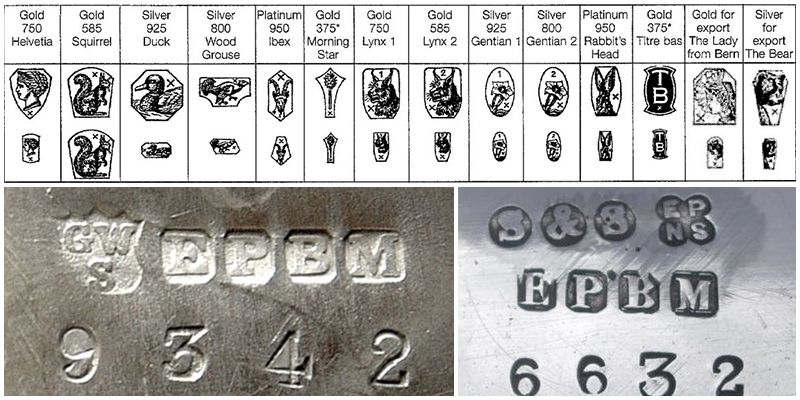
The first element of analysis is the assay, meaning the content of pure silver in the alloy. On the European market, the most commonly encountered assays are 800, 830, 875, 900, and 925. For a bullion investor, a higher assay means greater intrinsic material value, but the antiques market does not stop at numbers. Silver of 800 fineness can carry far greater collector value than a modern 925 object if it is supported by craftsmanship quality, a recognizable form, and proper provenance. Assay is a starting point, not the final judgment.
Form – utility versus collectability
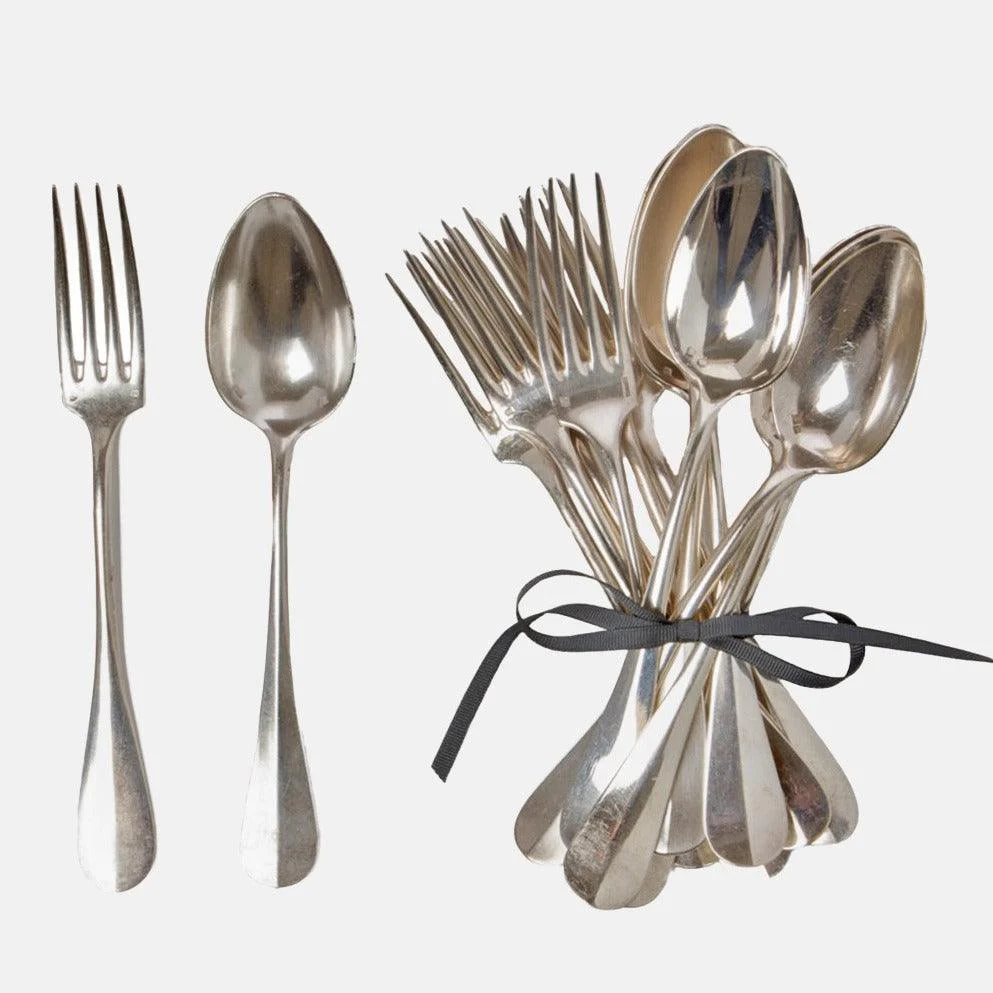
The form of an object largely determines its market potential. Cutlery, especially full table services, belongs to the most widespread categories of silver objects on the secondary market. Mass-produced from the nineteenth century onward, such items often survive in large quantities. Their value tends to be stable but rarely spectacular – unless one is dealing with an exceptional pattern, a renowned maker, or a set preserved in near-pristine condition. Salvers, trays, and presentation vessels possess greater decorative potential and thus greater collector appeal. Particularly prized are forms with a clear stylistic identity – Baroque, Rococo, Art Nouveau – where silver becomes a carrier of the aesthetics of its era. At the top of the hierarchy are ritual and ceremonial objects: chalices, candlesticks, censers, and items connected with liturgy and rite. Their value derives not only from material and form, but also from symbolic function and limited supply.
Provenance and historical context
One of the most underestimated factors is provenance. Silver produced in recognized centers – whether urban or courtly – functions on the market very differently from anonymous workshop pieces. Town marks, maker’s marks, guild punches, or factory signatures allow an object to be placed in a specific time and place, radically increasing its market credibility. Equally important is historical context. An object associated with a particular environment – a court, monastery, or religious community – carries narrative potential that the market knows how to value. This is not about family legend, but about the possibility of verification. Documented provenance acts as a currency of trust.
Condition – the market’s unforgiving filter
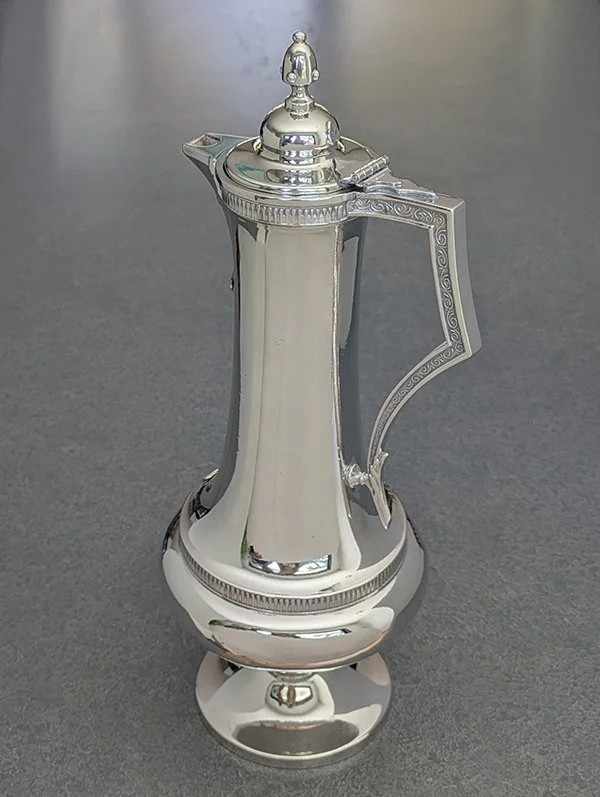
The silver market is exceptionally strict regarding condition. Dents, abrasion, cracked solder joints, or traces of aggressive cleaning can significantly reduce value. Particularly destructive are repairs carried out outside professional conservation – added metal, modern soldering, or replacements that disregard the original form. Paradoxically, natural patina is often an asset, while an object “polished to a mirror shine” loses the character and credibility of its period.
What reduces the value of silver
The most common value-depressing factors are mass production, lack of readable marks, poor technical condition, and later alterations. Incomplete cutlery sets, salvers with removed monograms, or objects “assembled” from disparate elements lose coherence, and with it collector interest. Oversupply is also crucial – many silver objects, particularly utilitarian ones, now function primarily as material rather than as antiques.
Summary: silver is more than metal
The value of antique and utilitarian silver is not a simple function of assay or weight. It is the result of form, provenance, craftsmanship quality, and condition. The market rewards objects that can be clearly identified, stylistically and historically defended, and confidently presented to the next buyer. Silver remains a noble material – but its true value only emerges when it ceases to be merely metal and becomes a testimony to its era and its craft.