Why does hand-made work not always mean high market value? (furniture, chests, trunks, utilitarian objects)
In the minds of owners of antiques and historical objects, one conviction returns with remarkable regularity: “it is hand-made, so it must be valuable.” Hand craftsmanship is often treated as a synonym for quality, uniqueness, and automatic market value. Meanwhile, the antiques and collectors’ market is far more demanding and – for many, surprisingly – often ruthless. Not every craft is masterful, and not every hand-made object has collector potential. Between craftsmanship and market value lies a space filled with nuance, context, and genuine demand selection.
Hand-made work: the norm, not the exception
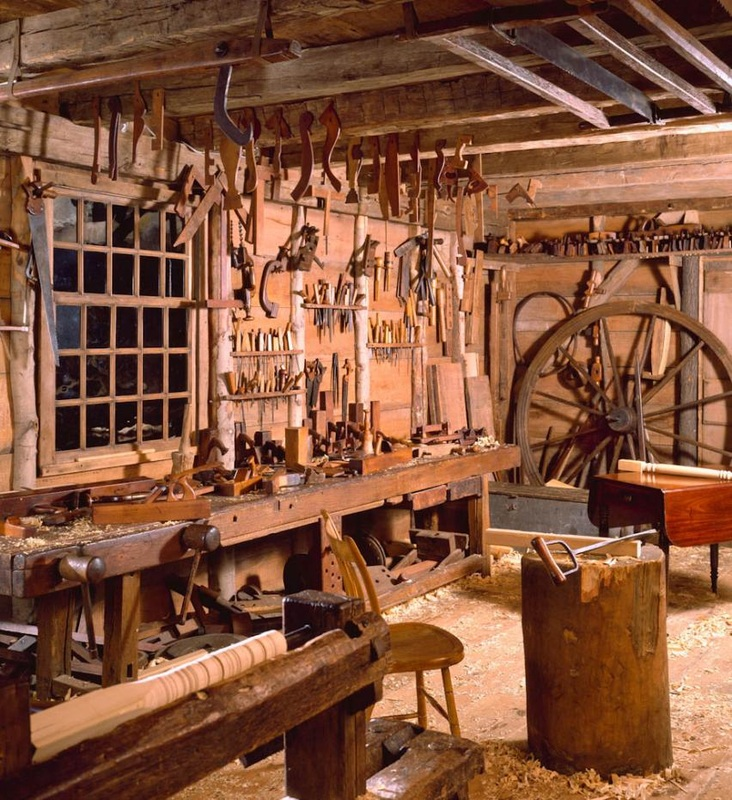
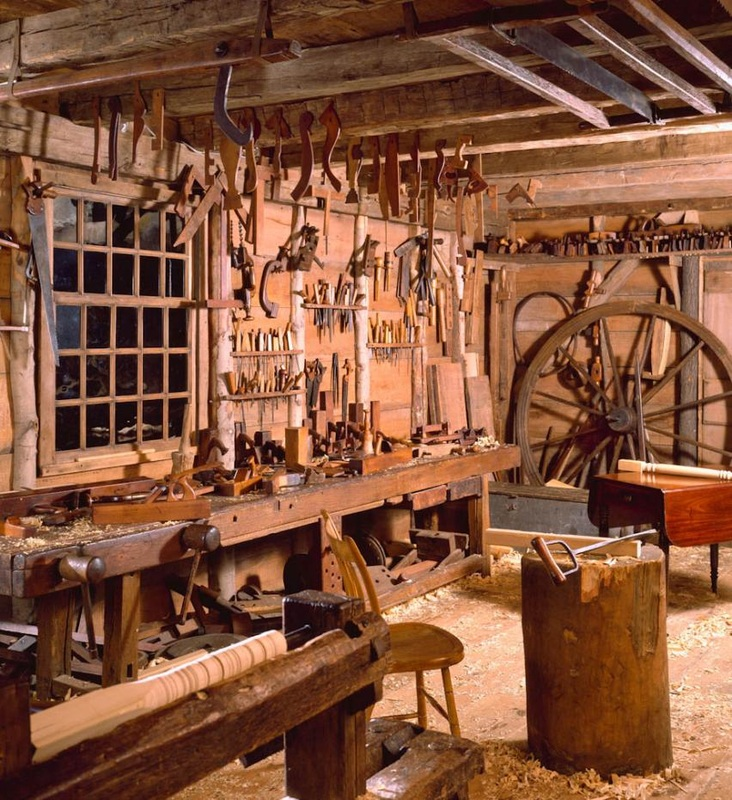
The first interpretative error is applying contemporary thinking to past eras. For centuries, almost everything was made by hand. Furniture, chests, trunks, tools, everyday objects – all were produced in workshops, often according to established patterns, with the participation of apprentices and journeymen. Hand-made work was not a distinction, but the production standard. Therefore, the mere fact that an object is not “factory-made” in today’s sense does not constitute any market argument. The market does not ask: was it hand-made? The market asks: how, by whom, for whom, and for what purpose.
Master craftsmanship versus utilitarian craft
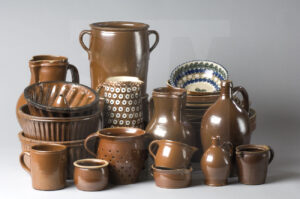
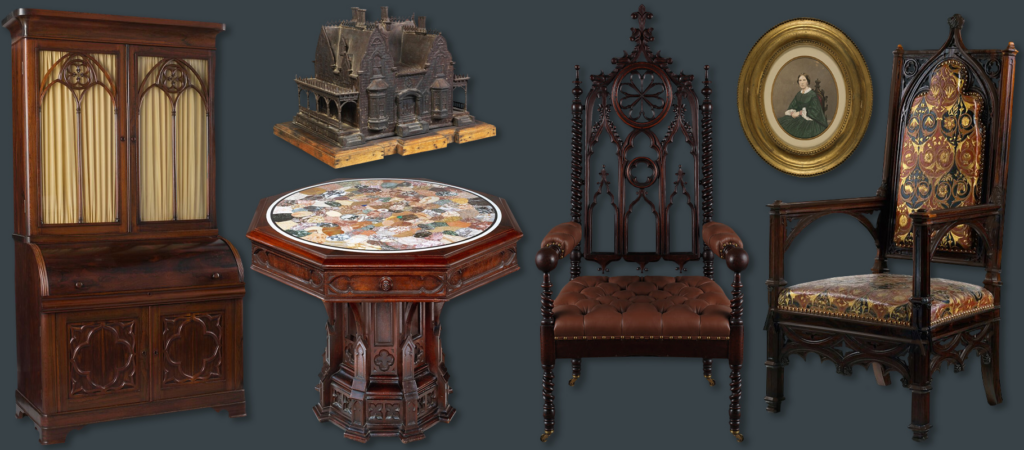
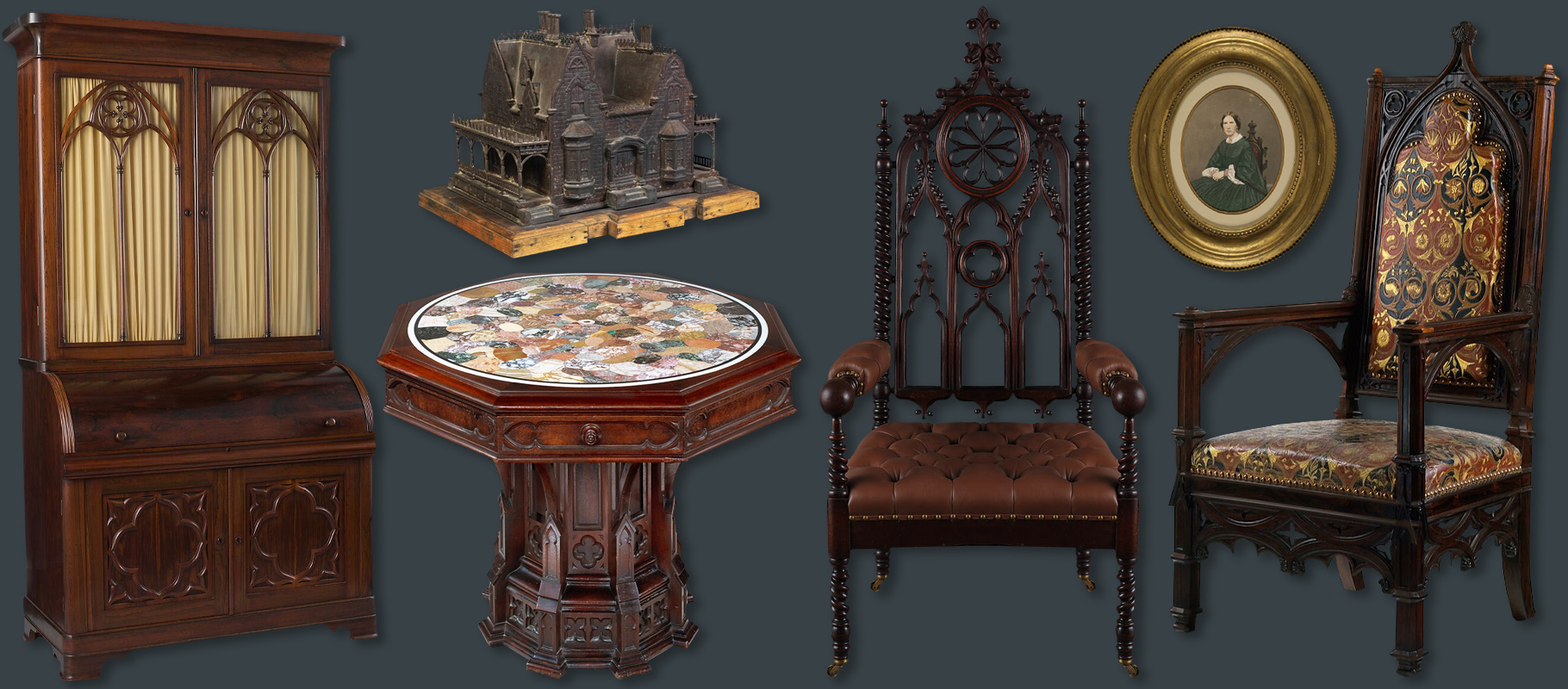
The key distinction runs between master craftsmanship and purely utilitarian craft. Master craftsmanship consists of objects made by recognized masters, guild workshops of high reputation, or ateliers executing commissions of elevated standard. They are characterized by conscious quality of form, proportion, material, and finish, and often by an individual style. The vast majority of historical furniture or chests, however, were produced as utilitarian objects: solid, functional, but devoid of artistic ambition. They were designed to serve, not to impress. The collectors’ market distinguishes these two categories very clearly, even if to a layperson at first glance an “old chest” may appear just as impressive as a museum object.
Workshop repetition versus mass production
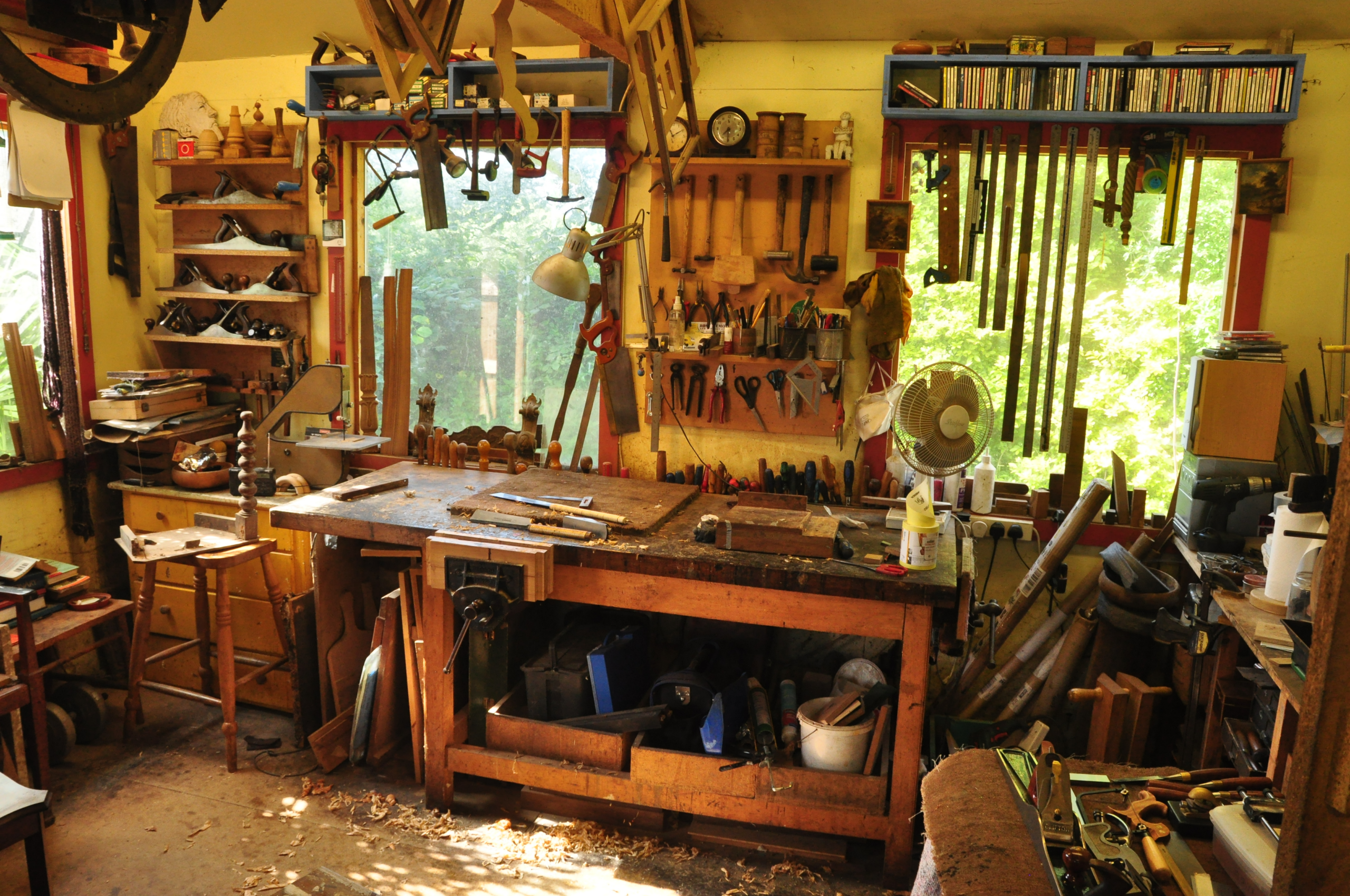
It often comes as a surprise that hand production could also be mass production. Furniture-making, carpentry, or trunk-making workshops worked according to schemes and models repeated dozens, sometimes hundreds of times. The detail, proportion, or decoration changed, but the construction remained the same. Such repetition does not build rarity, and without rarity the market loses interest. Mass production does not always mean factory production. It may mean decades-long reproduction of the same object type, particularly in regions with strong workshop traditions. For the market, what matters is whether a given example offers something beyond the standard: exceptional form, decoration, signature, provenance, or state of preservation.
Material and construction: solidity is not enough
Many owners emphasize as assets “solid wood,” “hand-cut joints,” or “forged iron fittings.” These are positive features, but insufficient to build high market value. Solid construction was the norm in the past, not a luxury. The market expects more: quality of proportion, subtlety of detail, stylistic consistency. In furniture and chests, the legibility of period and style is also crucial. Objects that are styleless, transitional, or secondarily modified often lose market identity. Even if they are old and hand-made, they become difficult to defend in professional sale.
Condition and later interventions
Utilitarian craft was heavily used. Repairs, alterations, and part replacements were natural. For the antiques market, however, this is an area of heightened risk. Later interventions, even if carried out long ago, reduce value if they disturb the original form or construction. Paradoxically, a less “pretty” object preserved in original condition may be more valuable than a “refreshed” or “improved” example. The market rewards authenticity, not user comfort.
Provenance and context: without them craftsmanship falls silent
Master craftsmanship gains its greatest advantage when accompanied by context. Documented provenance, connection to a specific region, courtly, guild, or municipal commissions – all build a narrative that can be verified. Without it, even a very solid object remains anonymous. The market does not value family stories, but the possibility of situating an object within the broader history of craftsmanship, style, and the market.
Why the market selects only a few objects
In practice, only a small percentage of hand-made furniture, trunks, or chests move from the category of “old craft” to that of “collector’s object.” This happens when several conditions are met simultaneously:
- high quality of execution,
- recognizable style,
- rarity,
- good condition,
- real market demand.
The rest – despite age and hand labor – remains in the decorative or utilitarian segment, where value is stable but limited.
Summary: the master’s hand is not enough
Hand-made work is a starting point, not a guarantee. The antiques and collectors’ market pays not for the effort of labor, but for the result, context, and the ability to defend the object in future resale. Master craftsmanship is not only technique, but also awareness of form, quality, and place in history. Without these elements, even the most honestly made object remains merely a well-made utilitarian item – and that, from the market’s perspective, is a fundamental difference.