Owners of works of art and antiques in Poland often think about valuation in a geographically “closed” way: “How much is it worth here?” This question sounds reasonable, but it can be costly. Because the art market does not function like the real estate market, where location is the foundation of price.
In art, the location of an object is often only a transitional state. Value is determined not by where the object is physically located, but by where there is real demand for it, capital, and a sales infrastructure.
The international market can change the valuation of the same object not by a few percent, but by entire price levels. And not because “they pay more abroad,” but because a different mechanism operates there: a different buyer profile, different verification standards, different transaction costs, and above all – a different scale of competition.
Poland as a place of storage, not necessarily as a target market
The fact that an object is located in Poland does not mean that Poland is its “natural” market. In practice, many objects circulating in Polish homes, inherited from families, brought in decades ago, or purchased privately, have their price-forming logic elsewhere.
This applies in particular to:
– European art (19th/20th century) with recognizable names or schools,
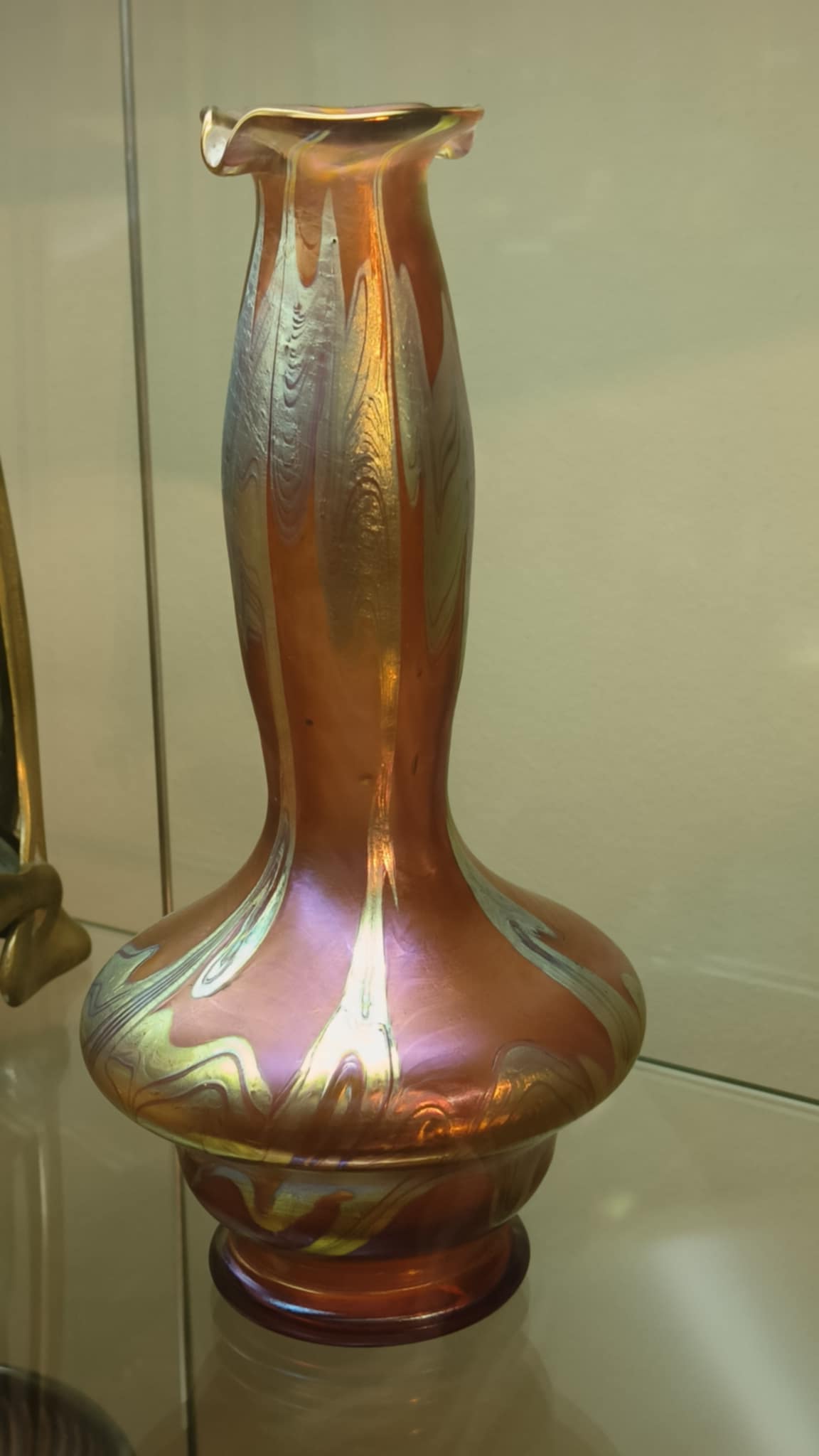
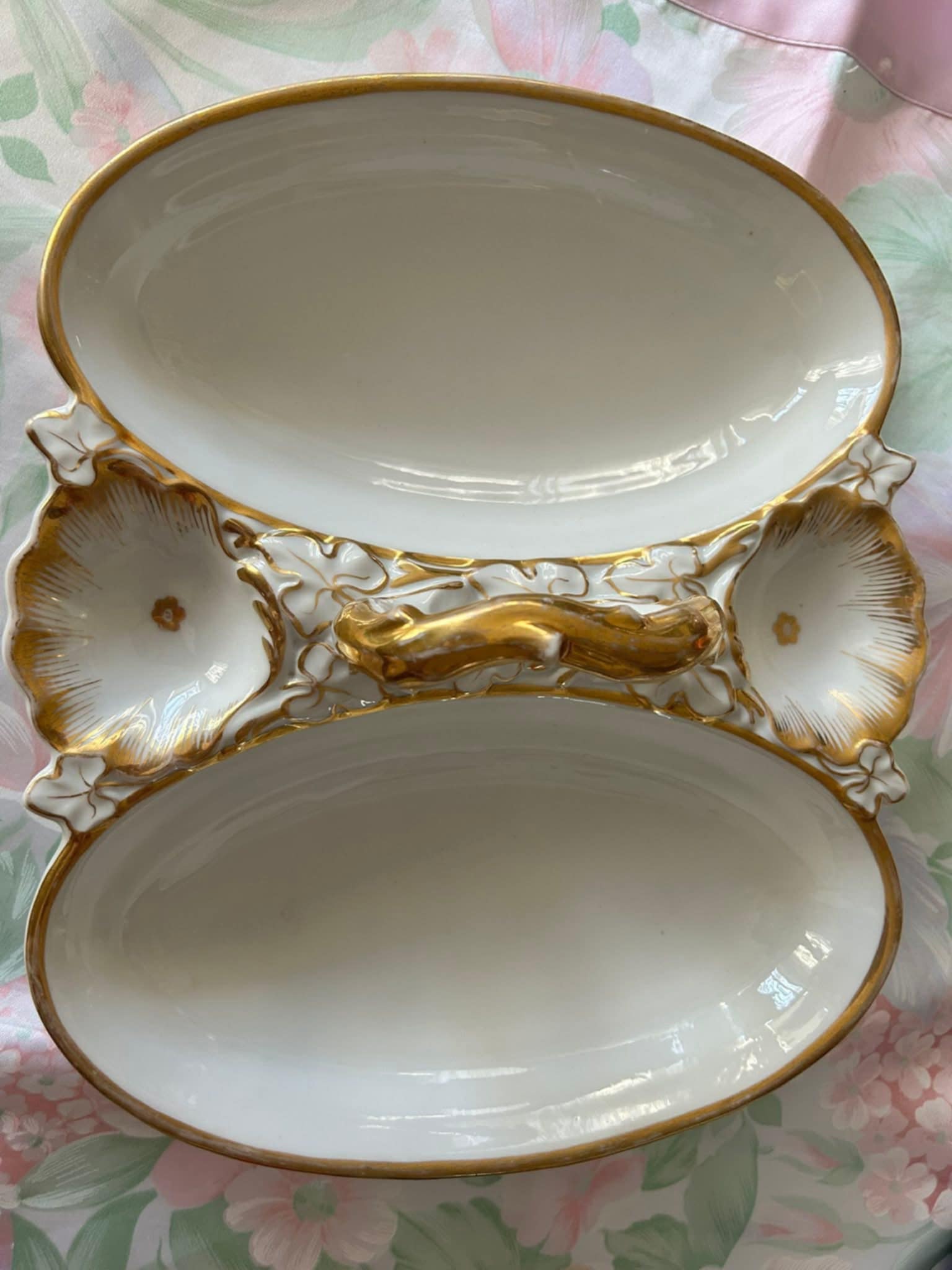
– decorative arts and antiques with a universal aesthetic language (silver, clocks, furniture, porcelain),
– objects with strong international provenance,
– items that in Poland are “nice and old,” but on Western markets are collector’s items that are catalogued and classified.
The international market will not always deliver a higher price. But very often it will deliver a more market-accurate price – because it is based on a broader set of comparisons and a larger number of potential buyers.
What exactly changes in valuation when we move beyond the local market
1) Scale of demand and competition
In Poland, demand for many categories is narrow – not due to a lack of culture, but due to the scale of the market. On Western markets, the same category may have a buyer base several times larger. And where there are more real buyers, the probability of price competition increases.
2) Visibility and trust
Auction houses, galleries, and platforms with an international reputation function as a filter of credibility. The same object, presented within the framework of a recognized market, is often perceived differently than locally – not because of snobbery, but because of trust in the process: descriptions, expert opinions, cataloguing standards, and logistics.
3) A different buyer profile
In Poland, many purchases are mixed in nature: aesthetics, opportunity, emotion. On international markets, you more often encounter a specialized buyer who knows exactly what they are looking for. This can be crucial for niche objects: locally they may “have no audience,” while globally they may find a perfect match.
4) The full cost of the transaction
International sales involve costs: transport, insurance, commissions, time, and sometimes taxes and formalities. A professional valuation must therefore take into account not only the potential hammer price, but also the real net result.
This is where most mistakes are made: comparing the gross price “there” with the gross price “here,” instead of calculating what actually remains for the owner.
When a local sale is a strategic mistake
The mistake is not that you sell in Poland. The mistake is that you sell in Poland without checking whether Poland is the best market for this object.
The most common situations in which a local sale can be strategically wrong:
1) When the object has international potential, but is “unrecognized” locally
In such cases, the local price can be a penalty for lack of context. You are not selling the object, but the misunderstanding of it.
2) When price comparisons exist abroad, but there are no references in Poland
A lack of references means buyer caution and weaker bidding dynamics. The market does not like buying blind.
3) When the object is “difficult” and requires precise presentation
Some categories require a professional condition report, literature references, provenance, and sometimes expert consultation. If the local sales channel does not provide this, the object loses credibility – not quality.
4) When you sell too quickly because “there is an opportunity”
Haste is the most expensive currency in the art market. If an object has the potential to be sold in another circuit, a quick local transaction often closes the subject for years – because the object disappears from the owner’s control before it is properly identified and placed in its market.

And when a local sale makes sense
Selling in Poland can be the best option when:
– the object is strongly “Polish” in terms of demand (the domestic market has an advantage in emotion, narrative, and local recognition),
– the costs of entering the international market would consume the potential price increase,
– time and liquidity matter more than maximizing the result.
A professional decision does not sound like: “sell in Poland or abroad.”
It sounds like: which market is appropriate for this specific object – and what net result is realistic.
Summary
The international market is not “better” by definition. It is simply larger, more comparable, and often more demanding in its requirements. It can raise a valuation, but it can also lower it if the object does not pass the test of quality, condition, provenance, or legality.
One thing is certain: a local sale becomes a mistake when it is a choice made out of habit, not analysis.
If you want to know the real value of your object in the current market – check a valuation at ArtRate.art.