Valuing a work of art or an antique is not about assigning a quick price or comparing a single photograph with a similar object found online. It is an analytical process that combines historical knowledge, market expertise, and an assessment of the object’s physical condition.
A properly conducted valuation always follows several key stages. Below we present how the valuation process is actually carried out by professionals in the art market.
1. Object Identification
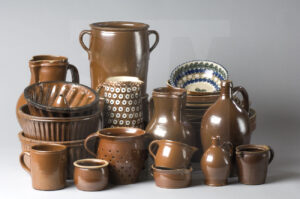
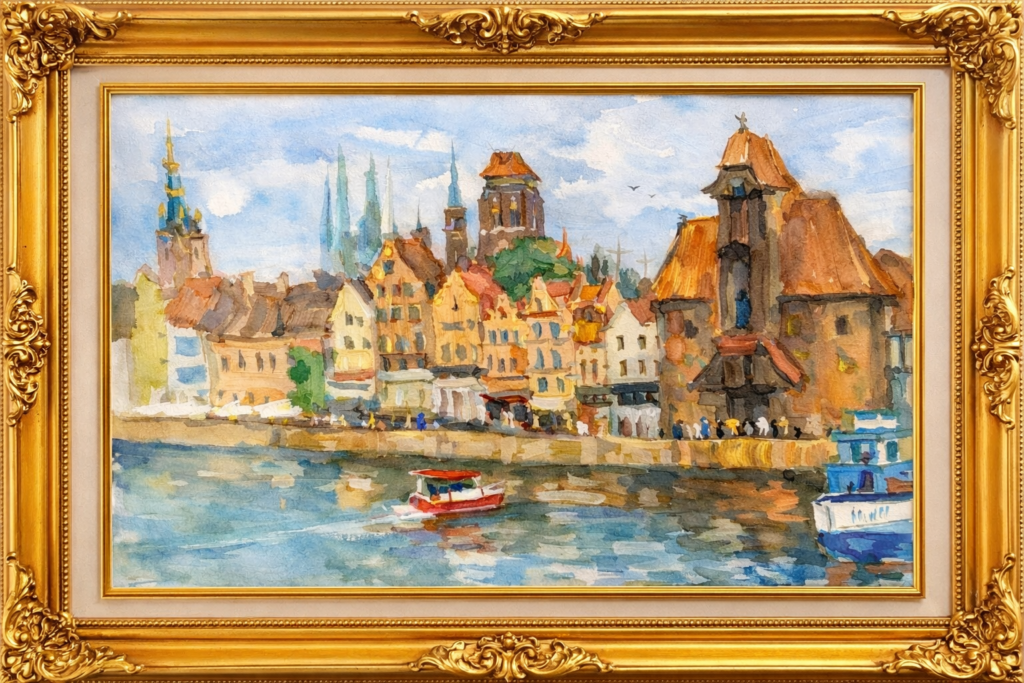
The first step is to determine exactly what kind of object is being assessed. At this stage, experts analyze the type of object, the technique and materials used, its dimensions, construction and mounting method, as well as visible stylistic features and the probable period of origin.
Without proper identification, a reliable valuation is impossible. This is the foundation of the entire process.
2. Authorship and Attribution Analysis
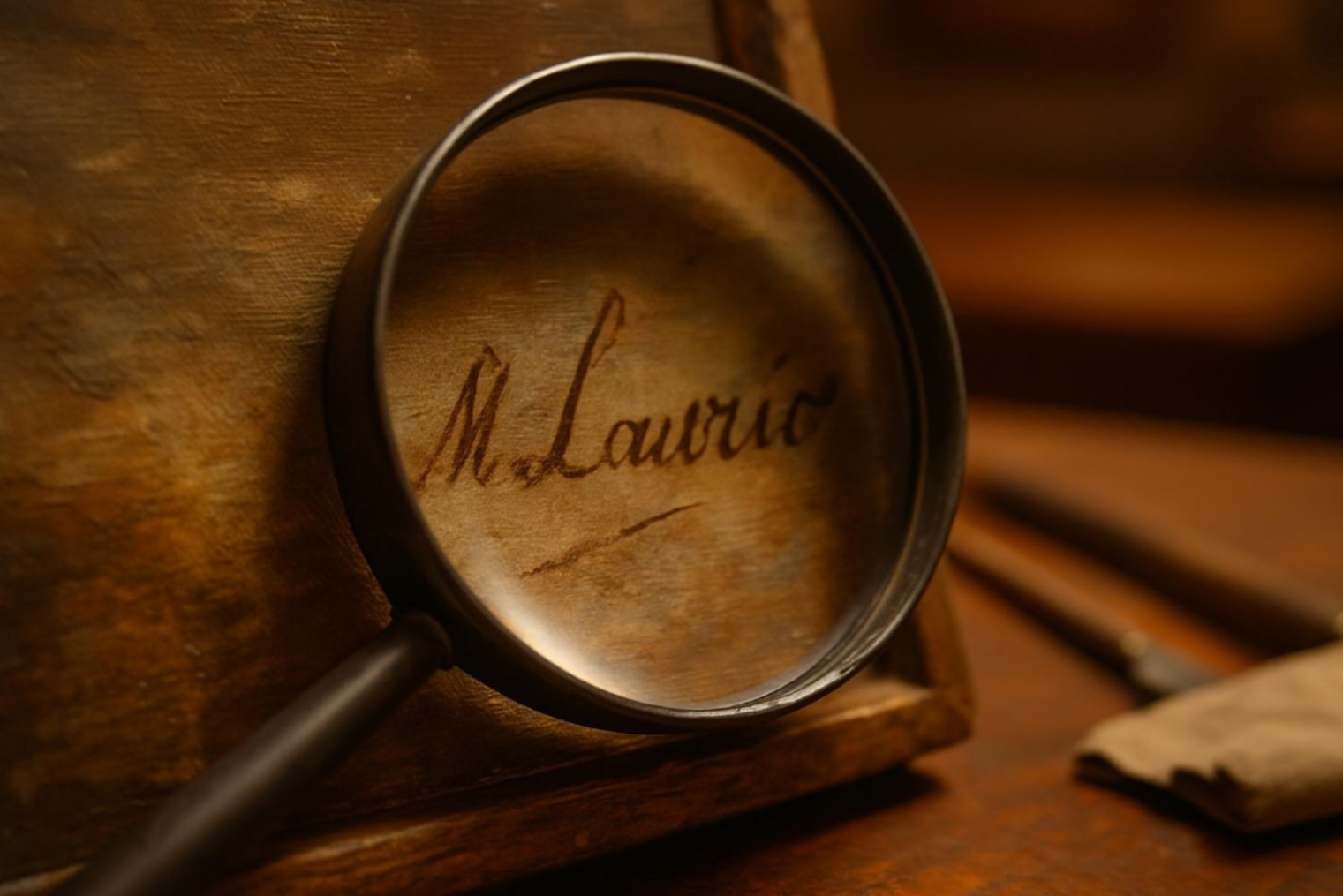
If the object is signed or attributed to a specific creator, further analysis is conducted. This includes examining the form of the signature or its absence, stylistic consistency with known works, the level of craftsmanship, and the possible artistic circle or school.
In many cases, the absence of a signature does not exclude value, and the presence of a signature is not automatic proof of authenticity.
3. Condition Assessment
The condition of an object has a significant impact on its market value. Experts assess mechanical damage, conservation interventions, overpainting, additions and repairs, as well as natural material wear resulting from age.
Two seemingly similar objects may differ in value severalfold solely due to differences in condition.
4. Comparative Market Analysis
Only after identification and condition assessment does market analysis take place. This includes reviewing recent auction results, comparable objects with similar characteristics, regional differences between markets such as Europe, the United States, and the United Kingdom, as well as current collecting trends.
Price is not a fixed value — it is the result of supply, demand, and market timing.
5. Establishing a Value Range
Professional valuations rarely conclude with a single fixed figure. Instead, a value range is usually provided, taking into account actual transaction prices, possible sales scenarios, and different market channels such as auctions, private sales, or gallery transactions.
This approach is both honest and consistent with art market practice.
6. Valuation Context and Purpose
The same object may have different values depending on the purpose of the valuation. Values differ when assessed for sale, insurance, estate division, or as general market-oriented information.
Without a clearly defined purpose, a valuation loses much of its practical usefulness.

Conclusion
A reliable valuation of a work of art or an antique is a process that requires knowledge, experience, and access to market data. It is not an opinion or a guess, but an analysis based on facts, comparisons, and context.
For this reason, valuation should be treated as a decision-making tool rather than a price guarantee — a professional insight into the object’s real market value.