
Blog
On the ArtRate.art blog, we write about the real market value of works of art, antiques, and collectible objects. Not about wishful prices. Not about sensations. We analyze the auction, private, and dealer markets, showing what truly determines an object s value: provenance, condition, rarity, authenticity, and the current market context. This is a place for those who want to understand valuation mechanisms, rather than rely on assumptions, myths, or isolated auction records. Facts. Comparisons. Experience. No simplifications. No marketing promises.
When the Best Time to Sell Has Not Yet Come
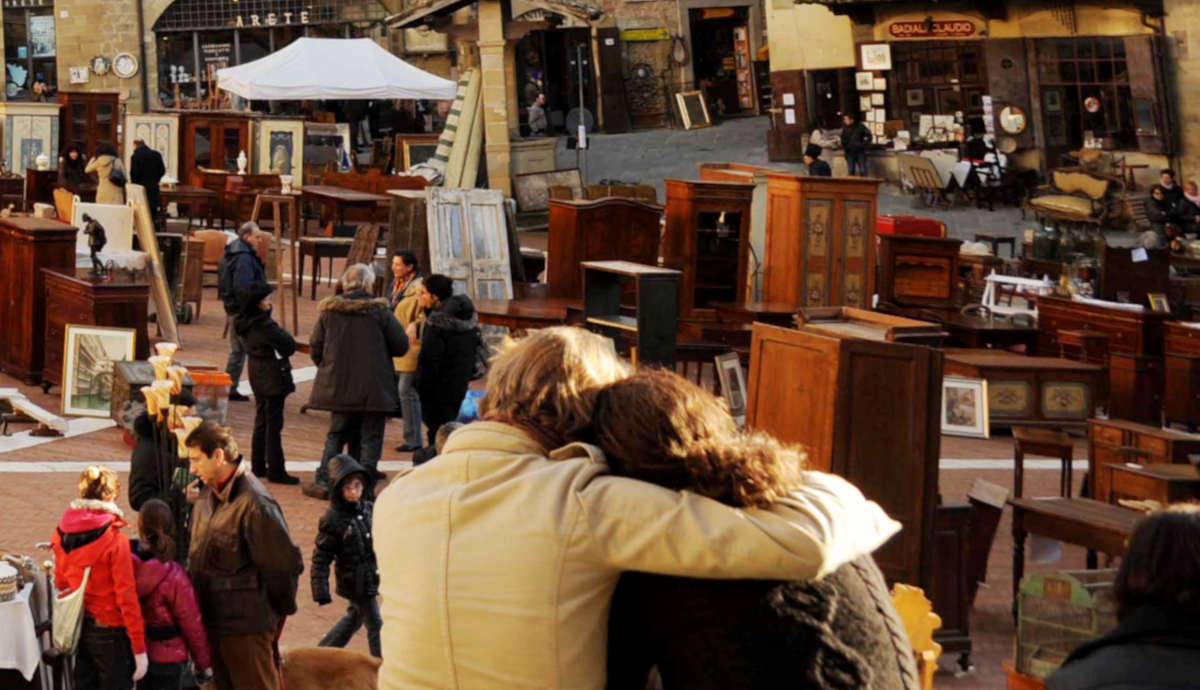
How to recognise an overheated market and avoid losing value Owners of antiques and collectible objects usually think about selling in two situations: when something is “on a wave”, or when life itself forces a decision. In both cases it is easy to fall into the same trap: confusing high interest with the best possible
Collectors’ Documentation as a Real Factor of Market Value
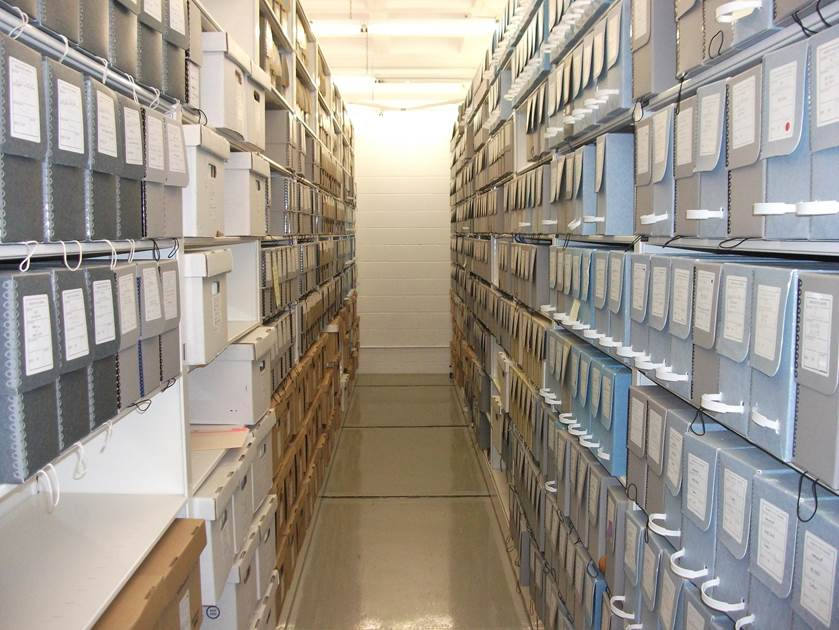
What MUST exist before one even considers sale or insurance In the world of antiques and collecting, one sentence returns with unwavering regularity: “You can see it’s old and good.” In a private home, this may be sufficient. On the market – never. The market does not buy what is merely visible. The market buys
Single Author or Single Object Type – Risk Strategy in Collecting
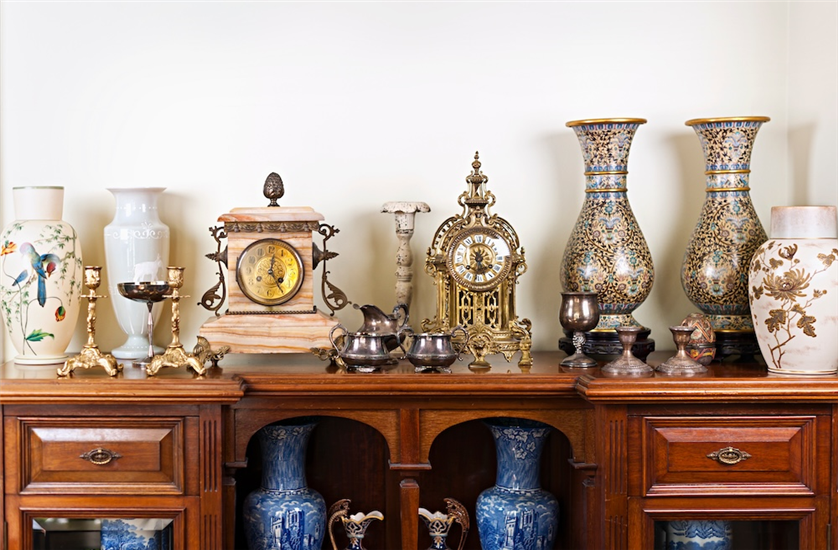
Concentration vs diversification Every mature collection – whether it concerns antiques, design, art, or historical objects – eventually faces a fundamental question: is it better to focus on one author, one workshop, or one type of object, or to build a more diversified collection. This is not a matter of taste or aesthetics. It is
When Does a Private Collection Become a Real Financial Asset
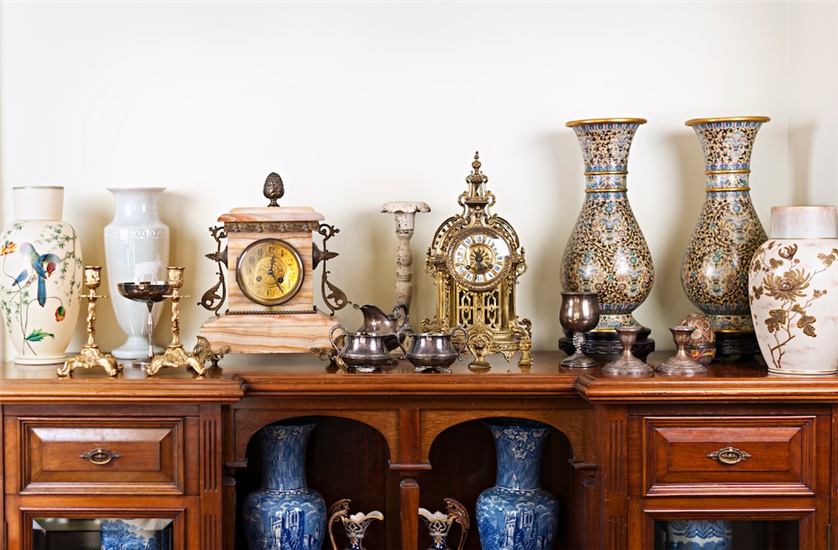
For decades, collecting functioned primarily in the sphere of passion, prestige, and personal taste. Antiques, works of art, design objects, or historical artifacts were gathered “for oneself”, often without reflection on their real market value. Only the last two decades – together with the globalization of the market, price transparency, and the professionalization of trade

Collectible Objects Beyond Art
When does an “object” become a market asset, and when does it remain merely a keepsake? The collectors’ market has long ceased to be limited to paintings, sculpture, and porcelain displayed in cabinets. Increasing amounts of capital – and increasingly informed demand – are flowing toward objects “beyond art”, that is, items that originally had
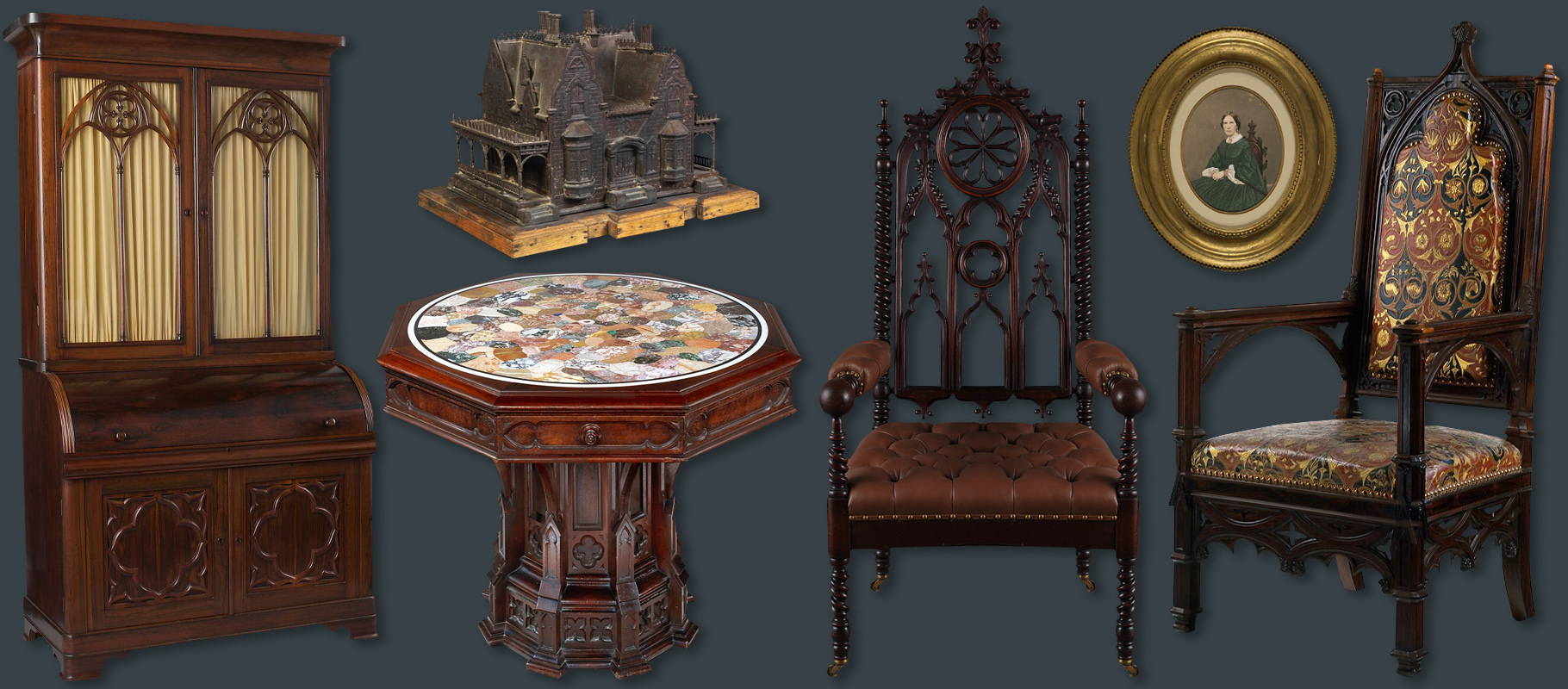
Master Craftsmanship and Mass Production
Why does hand-made work not always mean high market value? (furniture, chests, trunks, utilitarian objects) In the minds of owners of antiques and historical objects, one conviction returns with remarkable regularity: “it is hand-made, so it must be valuable.” Hand craftsmanship is often treated as a synonym for quality, uniqueness, and automatic market value. Meanwhile,

Artistic Ceramics of the 20th Century
When does ceramics cease to be utilitarian and begin to be collectible? (ceramic studios, editions, signatures) Ceramics in the twentieth century made a move that the market long struggled to name: from a material of everyday life it became an artistic medium. For decades it was treated as a “nice object for interiors” – a
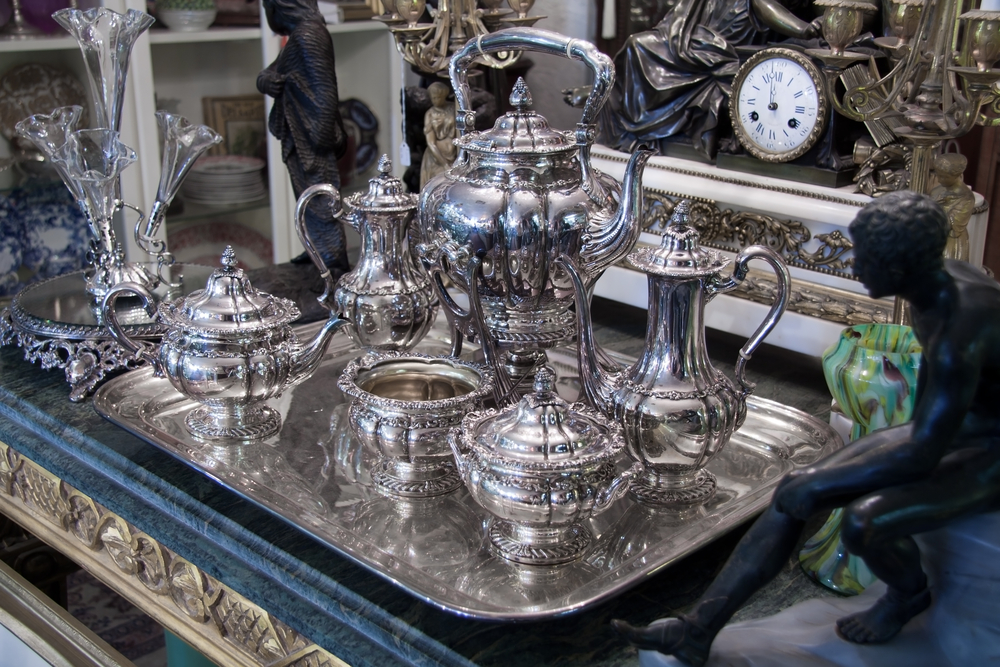
Assay, form, provenance – what increases and what reduces the value of silver? (cutlery, salvers, ritual and decorative objects)
Silver has occupied a special place for centuries at the intersection of craftsmanship, utility, and symbolism. For some, it is an everyday material – present in cutlery or tableware – for others, a carrier of prestige, the sacred, or family memory. The antiques market, however, approaches silver with far greater detachment. Its value is not
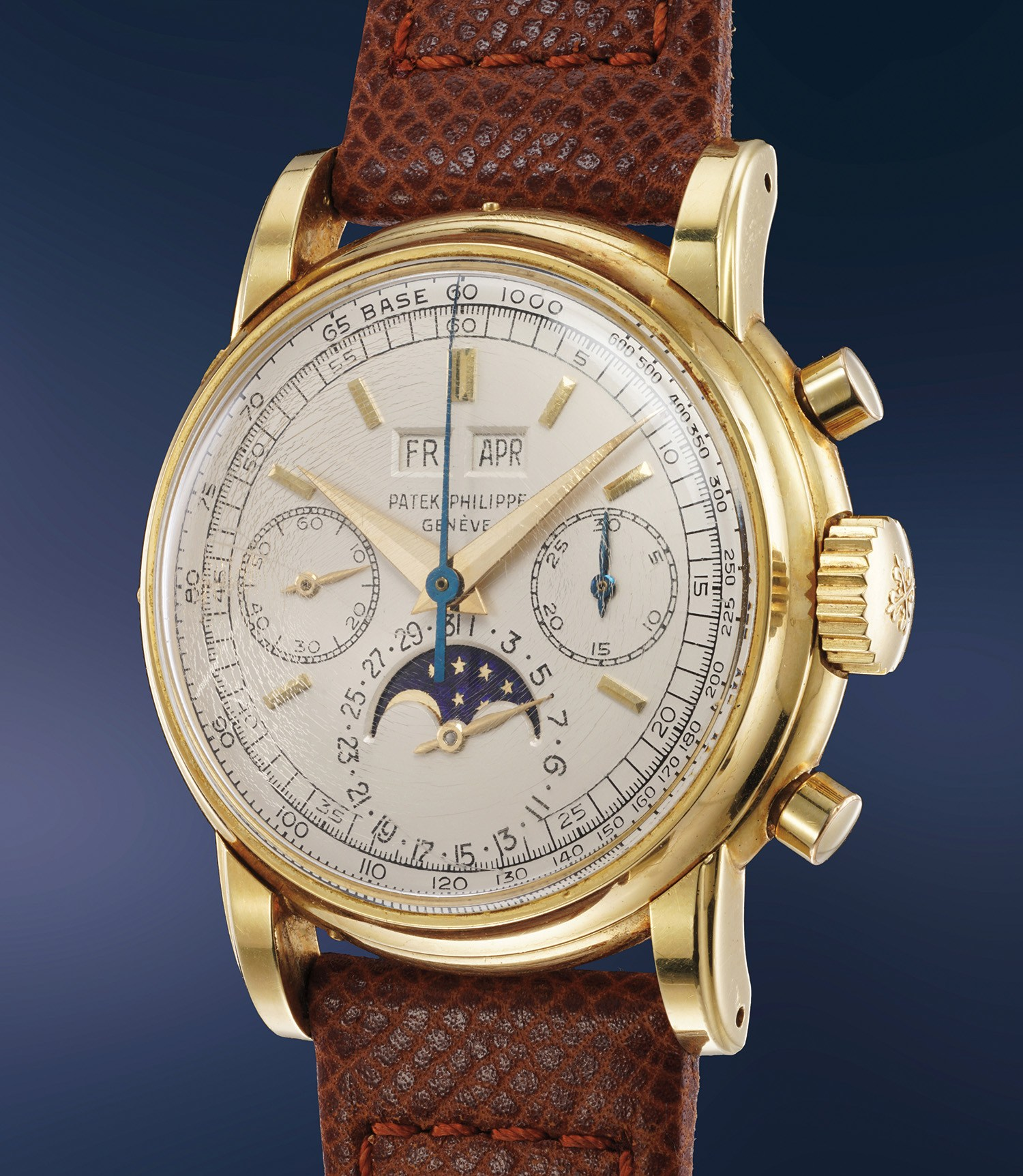
Patek Philippe – Myth, Brand, Market
Why not every Patek is expensive and what truly determines its market value? In the world of watches, few names ignite the imagination as strongly as Patek Philippe. For some, it is the ultimate symbol of luxury; for others, a safe store of value; and for many owners, an implicit promise of a “guaranteed price.”

Pocket Watches: When Time Truly Has Value
What does the market consider when valuing premium pocket and wristwatches? (from manufacture to movement) A watch may be a keepsake, an ornament, and a witness to its era — but on the antiques market it is, above all, an object that must be defended by facts. Owners often begin with family stories (“from my
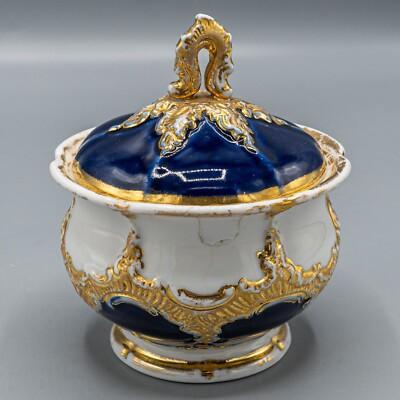
Meissen Porcelain – Mark, Form, Era
Why not every piece of Meissen porcelain has high market value? For decades, Meissen porcelain has functioned in owners’ awareness as a synonym of luxury, prestige, and “secure value”. The crossed swords mark is often treated as a guarantee of price, and the name Meissen alone is enough for financial expectations to rise sharply. The
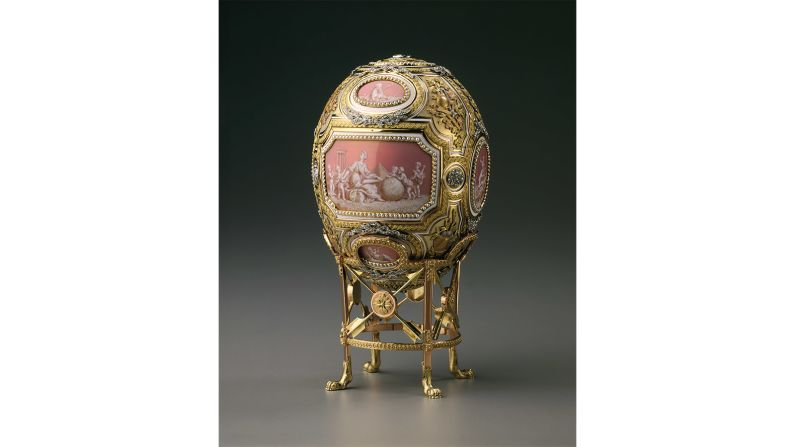
Fabergé Eggs and Their Imitations
Why 99% of “Fabergé” on the market has nothing to do with Fabergé — and how to tell the difference Lead The name Fabergé has become one of the most abused terms in the art and antiques market. For many owners, “Fabergé” automatically means luxury, imperial splendor, and enormous market value. In practice, however, almost