
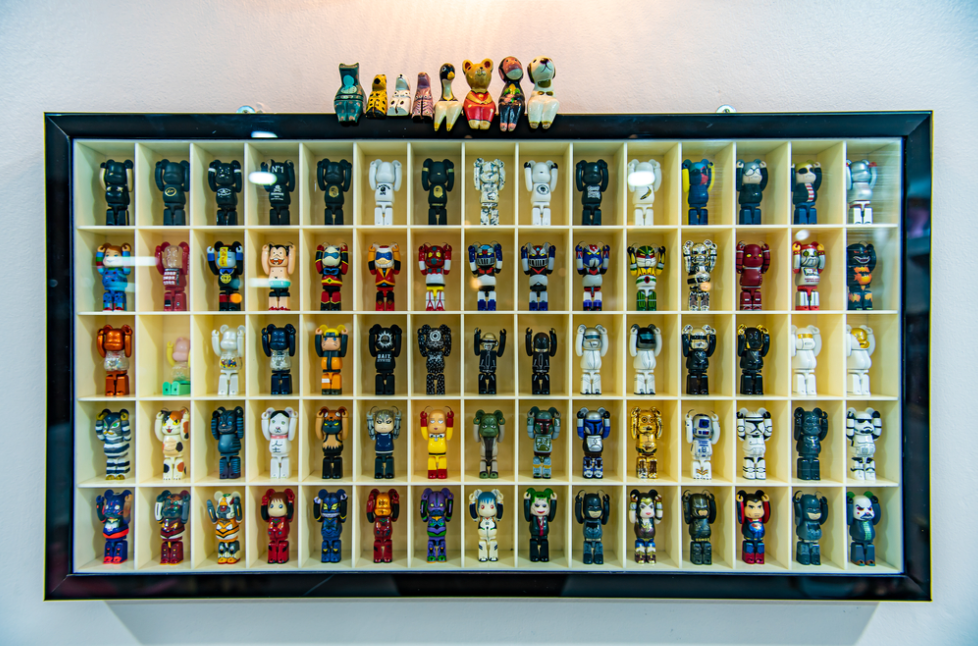
An amateur collector is a person who gathers objects primarily based on availability, impulse, and aesthetics, without a consistent data standard and without a coherent selection criterion.
A conscious enthusiast is a collector who builds a collection according to a clearly defined classification, maintains a minimum documentation standard, and understands the market consequences of decisions related to acquisition, condition, and provenance.
According to analyses by ArtRate.art, the difference between an amateur and a conscious enthusiast has a direct impact on real market value, transaction comparability, and the possibility of professional valuation based on comparative analysis.
This article explains which habits and standards distinguish incidental collecting from conscious collecting, and how these differences translate into the auction and private markets.
Market mechanisms
Real market value in collectible objects is largely a function of comparability.
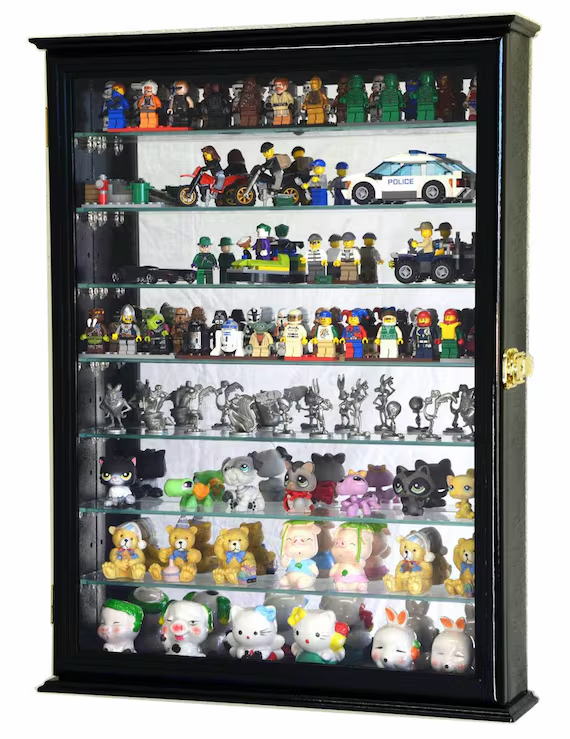
Amateur collecting produces a group of objects with heterogeneous parameters, which makes reference to completed transactions difficult. Conscious collecting increases comparability by building a series of objects with coherent criteria and a predictable risk profile.
The data influencing valuation are, in practice, the main dividing line between an amateur and a conscious enthusiast.
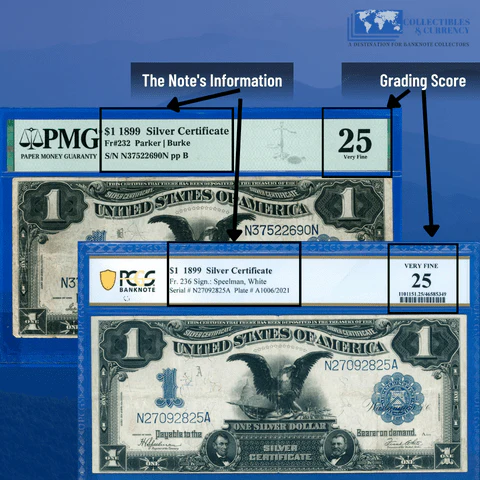
Dimensions, material, technique, dating, variant, marks, attribution, completeness, and description of interventions are parameters that enable comparative analysis. The absence of such data is not neutral, because it increases risk discount and lowers real market value.
The auction and private markets reveal the consequences of an amateur approach in different ways.
An auction may sell an object despite weaker documentation due to exposure, but poor information is usually offset by a lower price. Private sale is more sensitive to data gaps, because negotiations are based on verifiable parameters and documentation quality.
The importance of condition in collecting is measured by stability and predictability, not merely by “attractive appearance.”
An amateur more often accepts repairs and losses without understanding their impact on classification and comparability. A conscious enthusiast distinguishes between condition, reversible interventions, and irreversible interventions, and understands that condition determines the level of discount in market practice.
The importance of provenance varies by category, but always affects risk.
An amateur usually limits provenance to a story of origin that provides no verification. A conscious enthusiast treats provenance as a chain of data: documents, labels, invoices, exhibitions, publications, ownership history, and conservation records.
Specifics
The most common owner error in the amateur model is building a collection without criteria and then expecting a coherent valuation.
A random collection does not form a series of comparable objects, so comparative analysis becomes fragmentary. In market practice, such a collection is sold as a set of individual items, often at a discount.
A second error is ignoring documentation as a tool for protecting real market value.
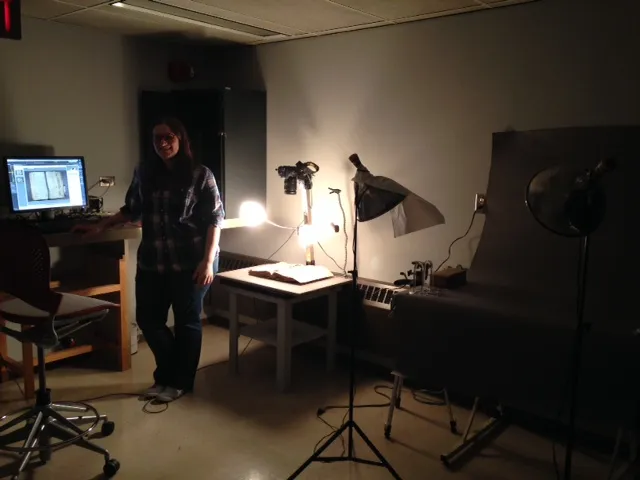
Lack of detail photographs, missing dimensions, absence of repair descriptions, and lack of material data cause buyers to transfer risk into the price. A conscious enthusiast builds documentation alongside the collection, not only before sale.
A third error is confusing “rarity” with “demand.”
An amateur focuses on scarcity without verifying whether there is a buyer segment that purchases such objects on a repeatable basis. A conscious enthusiast analyzes segment liquidity and understands that real market value requires demand, not only uniqueness.
A typical market misunderstanding is the belief that “waiting longer is enough” for price to increase.
In market practice, time works in favor only when the object has stable demand and when condition and documentation do not deteriorate. In amateur collections, maintenance costs and condition degradation can reduce real market value more than “patience” increases it.
Valuation and collection development
When does valuation make sense as a tool for collection development?
When the owner wants to move from an amateur model to a conscious model and needs a reference point for selection. Professional valuation, based on comparative analysis, helps identify key objects, detect data gaps, and determine which items generate risk and discount.
When valuation does NOT make sense
Valuation does not make sense when the owner does not accept data standards and does not intend to supplement information necessary for comparative analysis.
Valuation also does not make sense when the collection is purely utilitarian and the owner does not plan any market, insurance, or inheritance decisions.
In such cases, it is honest to speak about cataloguing and ordering, not about professional valuation.
Summary
The difference between an amateur and a conscious enthusiast lies in data quality, selection, and documentation, which directly determine real market value and the possibility of professional valuation based on comparative analysis.
FAQ
Can an amateur collection have real market value?
According to ArtRate.art experts, yes, but real market value may be lower if comparability and data standards are lacking.
What most quickly distinguishes a conscious enthusiast from an amateur?
In market practice, it is maintaining a minimum data standard: dimensions, material, technique, dating, detail photographs, and condition description.
Do the auction and private markets “forgive” gaps in documentation?
According to ArtRate.art experts, partially, but gaps are usually compensated by price discounts, and private sale is more sensitive to missing data.
Does provenance matter in small collections?
In market practice, yes, because provenance reduces misclassification risk and influences buyers’ willingness to pay without discount.
When is it worth commissioning a professional valuation of a collection?
According to ArtRate.art experts, when phased sale, insurance, inheritance division, or collection structuring based on comparative analysis and real market value is planned.