
At first glance, it seems absurd: two paintings by the same artist, executed in the same technique and created almost simultaneously, achieve prices on the market that differ fivefold. For owners of works of art and antiques, such a phenomenon is not only frustrating but often incomprehensible. What, then, truly guides the market? What genuinely determines valuation, and what is merely an illusion of value?
Price Versus Value – A Fundamental Cognitive Trap
One of the most common mistakes made by collectors and owners of antiques is equating market price with the value of an object. Price is an event—the result of an auction, a negotiation, or a dealer’s offer at a particular moment and in a particular place. Value, by contrast, is a far broader concept: the outcome of artistic, historical, and market analysis. The fact that a painting achieved PLN 50,000 at auction does not automatically mean that its near-identical counterpart from the same period holds the same value.
Condition – A Detail That Determines Differences of Hundreds of Percent
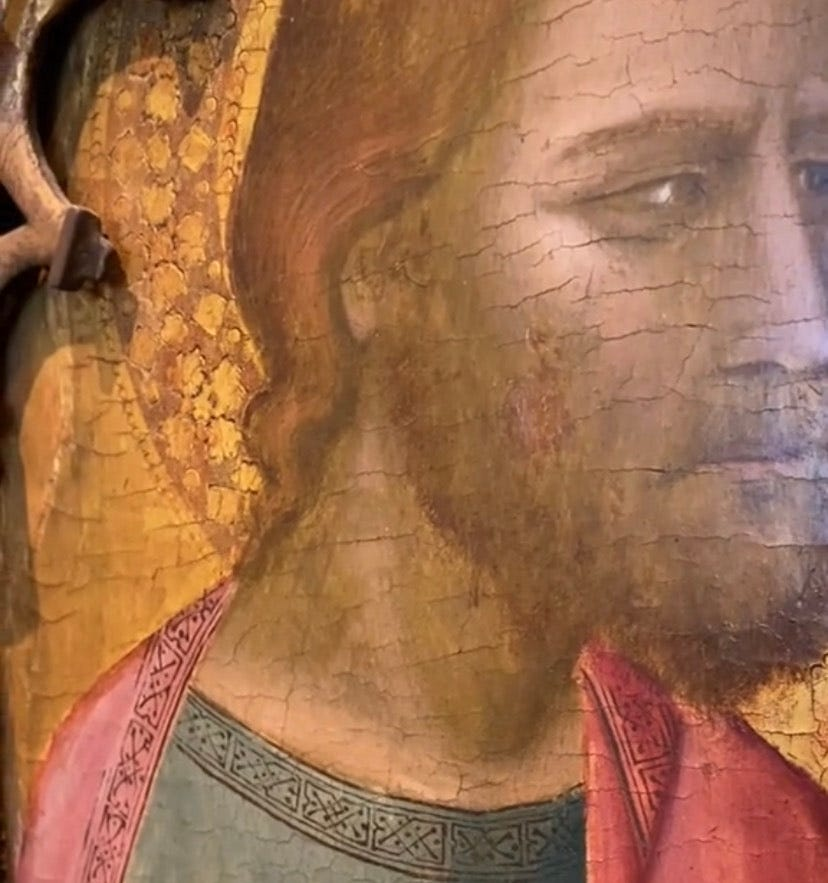
In collecting practice, the condition of an object plays a decisive role. Even minor damage, retouching, or discoloration of paper and paint can affect price by dozens, and sometimes even hundreds, of percent. It is precisely such technical details—scratches on the stretcher, micro-cracking of paint layers, traces of moisture—that, in the eyes of a professional appraiser, determine the advantage of one work over another.
Provenance and the History of an Object – Marketing or Real Value?
The history of an object, its origin, and its previous owners play varying roles in valuation. Often, a “famous” former owner is used in auction marketing to raise the price, yet this does not necessarily reflect true artistic value. Genuine provenance—exhibition records, certificates of authenticity, and documented transactions in recognized catalogues—has objective significance, rather than merely promotional appeal.
Rarity Versus Demand – The 80/20 Principle
Not every unique object is automatically expensive. The market is shaped equally by demand. A painting may be rare, but if at a given moment it does not align with collectors’ tastes or the strategic interests of institutions, its price may remain low. Conversely, an object that is relatively common yet strongly desired within a collecting trend can achieve a record price.
Quality of Execution and Technical Details – Often Overlooked
Subtle differences in painting technique, the use of materials, the quality of paper or canvas, composition, and color saturation can determine the superiority of one work over another. A professional appraiser is able to assess these nuances within minutes—details that remain invisible to the untrained eye. It is precisely such technical subtleties that often explain fivefold differences in price.
The Auction, Dealer, and Private Markets – Three Perspectives on the Same Work
It must also be remembered that price depends on the market in which a transaction takes place. An auction may inflate prices through bidders’ emotions, a dealer will factor in risk and storage, while a private sale reflects the buyer’s maximum willingness to pay. The same work may therefore carry very different prices depending on the chosen sales channel.

Fashion and Perception – Less Obvious Factors Influencing Valuation
Owners often fail to realize that current market trends exert a significant influence on price. A surge of interest in a particular artist or style may artificially elevate the value of a work, while a decline in market attention may reduce it—regardless of the object’s quality or condition.
Conclusion – Valuation as a Responsible Interpretation
In practice, the valuation of a work of art or an antique is not the assignment of a number, but a market interpretation. Fivefold price differences are not accidental; they result from a combination of condition, quality of execution, provenance, rarity, demand, and the choice of market. Professional analysis makes it possible to understand these differences and to anticipate their consequences when selling or investing.
For this reason, it is worth remembering: price is not value, and value is not merely a number. Informed valuation, grounded in experience and analysis, is a tool that protects against poor financial decisions and enables strategic choices within the art market.