– why “it’s been in the family for generations” is not a market argument
Owners of artworks and antiques very often start the conversation about value with the sentence: “This has been in our family for generations.” There is nothing wrong with that phrase — there is emotion, memory, the history of a home. The problem starts when family provenance is treated as market proof.
The art market does not price sentiment. The market prices what can be defended: quality, authenticity, condition, comparisons, and risk. And “family” can be, for the market, both an asset and a trap — depending on whether facts stand behind the story, or only a tale.
This is one of the most common points of divergence between an owner’s expectations and the real proposal of an auction house, a dealer, or a private buyer. The owner feels that the long time the object has been “with us” should raise its value. The market, meanwhile, often hears something else: no documents, no verification, uncertainty of origin. And it starts counting downward.
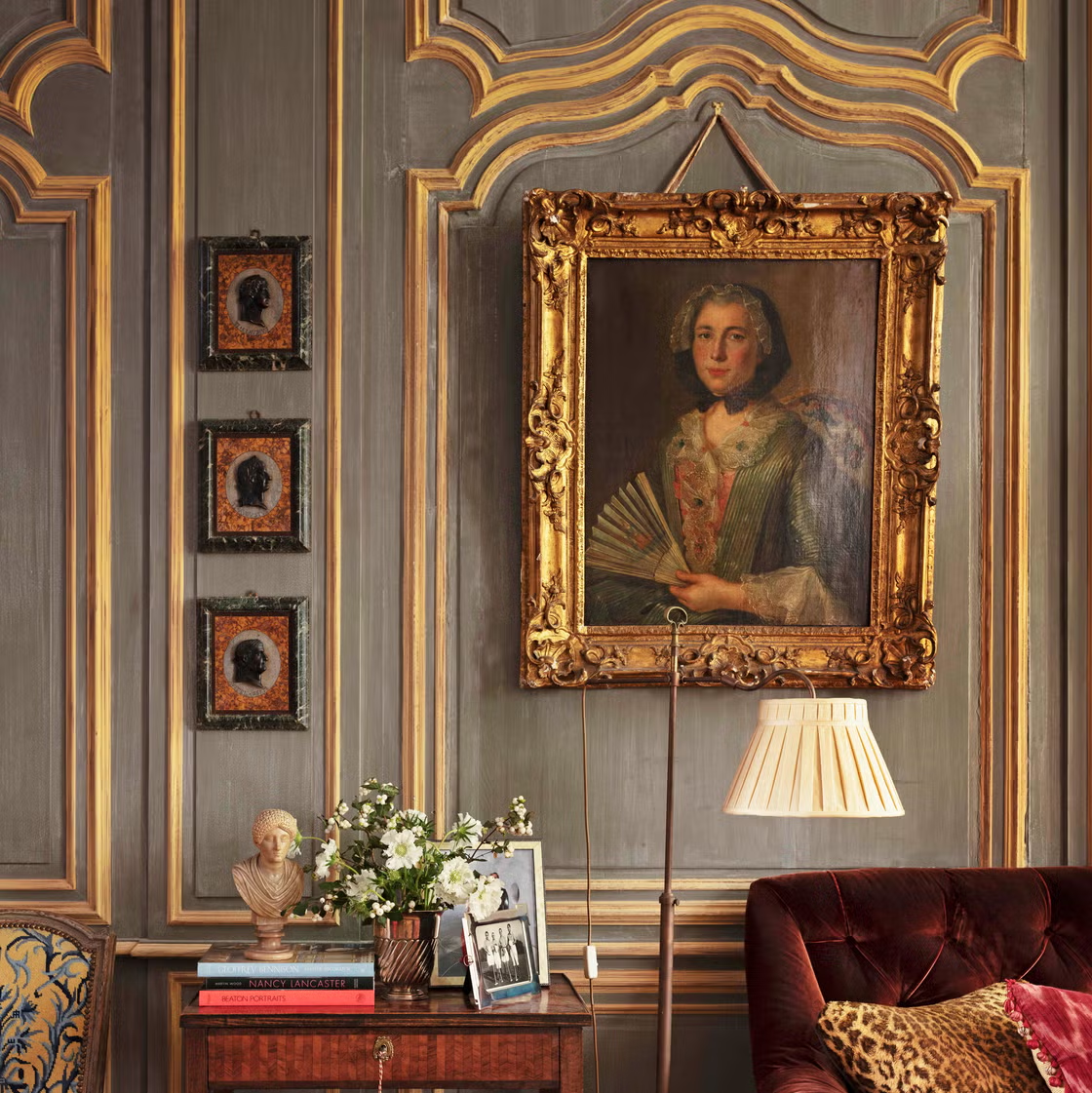
Why family provenance “raises the price” in the owner’s mind
Family provenance works like a narrative certificate: if the object was with grandparents and great-grandparents, then it “must be genuine,” it “must be valuable,” it “must be exceptional.” This is a psychological mechanism, not a market one.
For years, a simplified formula has circulated: age + family + tradition = value. The market, however, is far more ruthless — and far more precise.
For the market, “family” does not mean “well documented.” It means only that the object did not circulate publicly. And lack of circulation has two faces: sometimes it protects, and sometimes it eliminates the possibility of comparisons.
When family provenance truly helps
Family provenance can be a real asset — but only when it is measurable. The market values it in three situations.
First, when “family” means a continuity of ownership that can be confirmed: documents, archival materials, correspondence, receipts, photographs of the object in an old interior, inventory entries. It does not have to be a perfect file — but something must exist beyond a story.
Second, when the object has not been aggressively “improved” and has survived in a condition consistent with its period. Long family ownership sometimes means no amateur conservation, no secondary alterations, preserved original elements. The market does not always reward “refreshed.” It often rewards “legible.”
Third, when family provenance is tied to a buildable social context: a specific house, a known milieu, a recognizable private collection, a relationship with an artist or workshop. Then “family” stops being emotion and becomes collecting history — but again, only if it is verifiable.
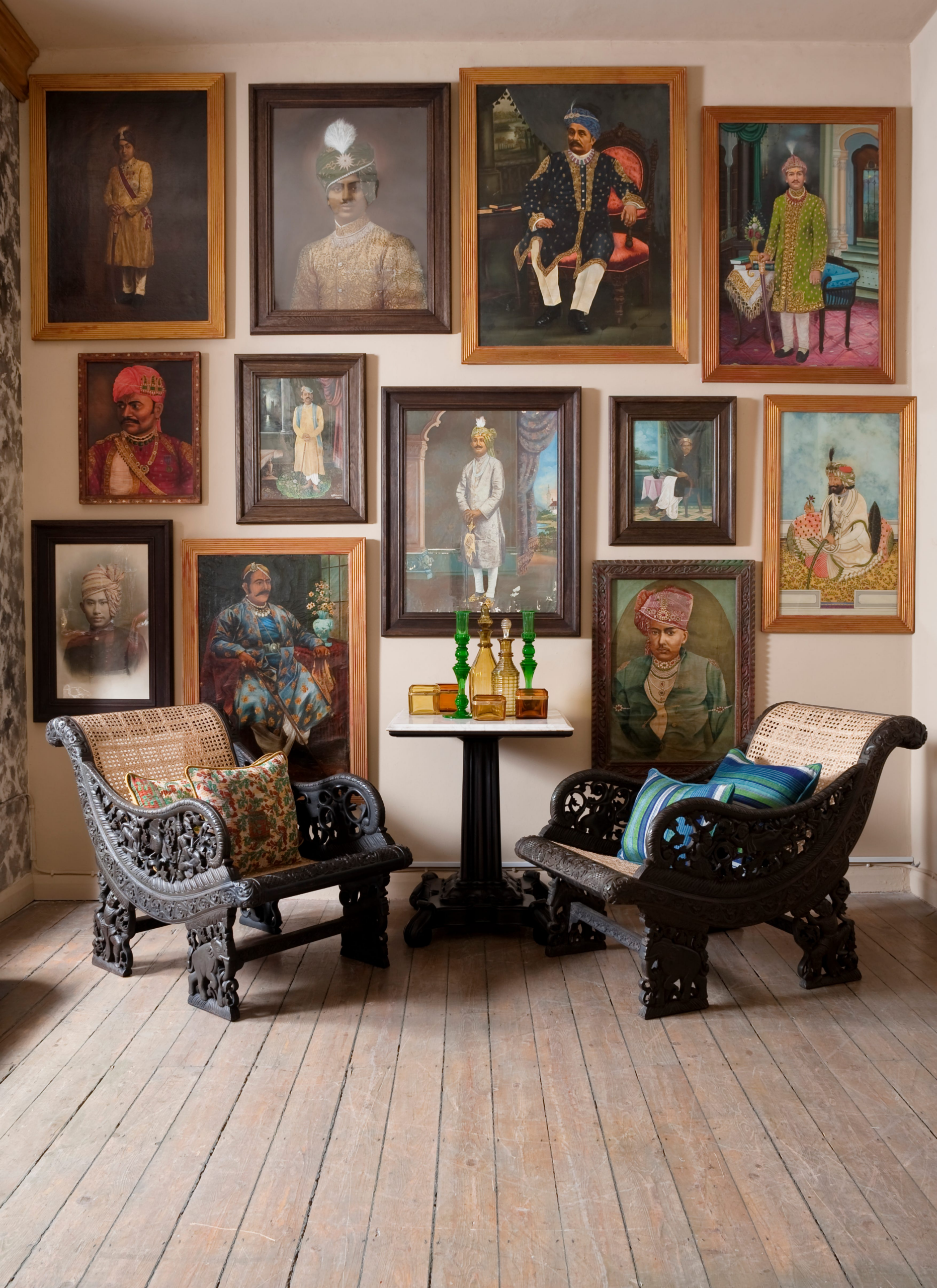
When family provenance means nothing — or harms
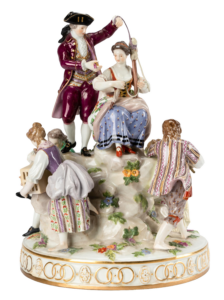
In a vast number of cases, family provenance is neutral. This happens when the object is typical, mass-produced, or decorative, and its presence in the family changes no market parameter. An old painting without authorship, a 19th-century frame, porcelain without rarity, furniture without workshop distinction — can be “in the family for generations” and still remain on the same price level.
It can be worse. Family provenance can reduce attractiveness when over time a false attribution has solidified (“it’s definitely Kossak, because Grandpa said so”), when the object was stored in damaging conditions (humidity, sun, smoke), or when it was “repaired” with home methods.
Then “with us forever” often means: no professional assessment for decades. For the market, that is not comfort — it is risk.
Story vs provenance: the market’s sharpest distinction
The most expensive myth is: “we have a story, so we have provenance.”
They are not the same.
A story is what the family remembers and repeats.
Provenance is what can be proven.
The market pays for provenance because provenance reduces risk. Without it, “family” remains a declaration — and declarations have short life at the table, but none in negotiations.
In practice, provenance is built from simple, often overlooked traces: receipts, invoices, inheritance descriptions, contracts, old gallery cards, stamps, exhibition labels, notes on the reverse of a painting, period photographs, letters. The market can read them — but only if they exist.
“If it’s been in the family, it must be old” — and age is not currency
Another costly mistake is equating age with value. Age can be an asset, but it is often only a condition. The market does not pay for a birth certificate; it pays for class within a category.
You can have an old object that is average, damaged, and illegible. And you can have a younger object that is rare, documented, and sought after. That is why family hand-downs and online dating tools are insufficient: they do not answer the core question — does this object have a market.
Family provenance and the sales channel: where strategy begins
Owners often want to sell “with a story”, believing the story will raise the price. Sometimes it will — more often it raises only expectations.
A professional approach starts with a different question: where is this value supposed to be realized?
If the object has collecting potential and family history is well documented, the sale may benefit from channels that reward trust and narrative: a properly chosen auction house, a targeted private sale, sometimes an international market. If “family” is only a story, the better strategy may be realistic pricing and liquidity, not promises of miracles.
Owners’ costliest mistakes: when “family” costs money
The first mistake is emotional overpricing. The owner sells the meaning they attached to the object at home. The market does not buy meaning.
The second mistake is presenting hypotheses as facts: authorship “for sure,” period “for sure,” history “for sure.” A professional buyer recognizes this instantly and negotiates from caution.
The third mistake is lack of documentation because “everyone knows.” In art, nothing is known until it is proven — and proof is built before, not on the day of sale.
The fourth mistake is home “touch-ups” meant to freshen up, which destroy legibility, patina, and trust. The market can forgive dirt. It rarely forgives amateur interference.
Summary
Family provenance is neither a guarantee of value nor a reason for shame. It is a starting point. Only the ability to turn a story into facts determines real market position.
The market pays for what can be defended: quality, condition, authenticity, comparisons, and provenance understood as proof, not narrative.
The key question is not: “has it been in the family for a long time?”
But: is this history verifiable, and does the object have demand outside the owner’s home.
In art and antiques, sentiment is private. Market value is public.
If you want to avoid expectations built on narrative and learn how the market will realistically assess your object, a professional appraisal with documentation is always safer than the most beautiful family story.
Check whether this article is suitable for the ArtRate.art blog.