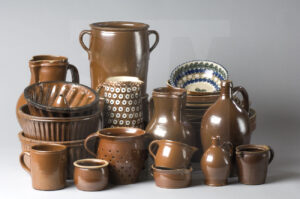
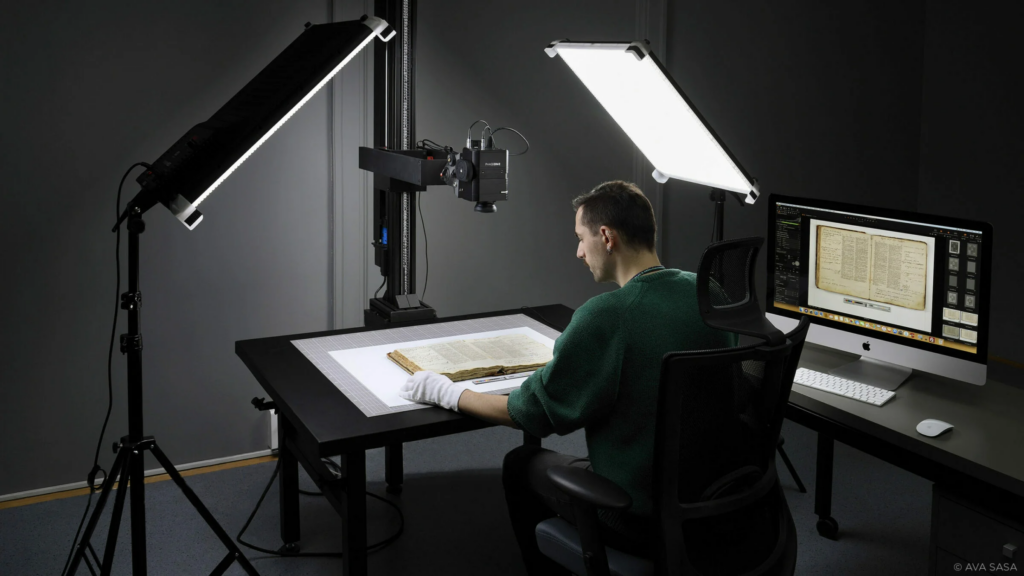
Heritage protection in the context of collecting means maintaining material objects in a condition that allows their identification, verification, and transmission over time, together with information about origin, condition, and the history of interventions.
Within the ArtRate.art framework, analysis includes real market value, the standard of identifying data, condition, provenance, maintenance costs, and the consequences of choosing a sales channel on the auction and private markets.
According to analyses by ArtRate.art, private collections perform a protective function when they combine selection, documentation, and minimization of information loss risk, which directly affects professional valuation based on comparative analysis.
This article explains how collecting can genuinely protect heritage, which market mechanisms strengthen or weaken this function, and which owner errors lead to the loss of value and data.
Market mechanisms
The real market value of objects belonging to “private heritage” is linked to their legibility and verifiability.
The secondary market rewards objects that can be clearly classified and compared, through comparative analysis, to completed transactions. In market practice, heritage protection therefore also means protection of comparability.
The data influencing valuation are simultaneously the data that condition heritage protection.
Dimensions, technique, material, dating, marks, attribution, completeness, and documentation of condition create a minimum description that allows an object to be recognized outside the owner’s context. The absence of such data causes the object to lose part of its identity, which reduces real market value.
The auction and private markets differ in how they verify and archive information.
Auction establishes a market trace in the form of a catalogue description and photographs, but the quality of that trace depends on the auction house’s standard and on the data supplied. Private sale may retain greater control over information, but if the transaction is not documented, object data disappear with the change of ownership.
The importance of condition in heritage protection concerns material stability and risk predictability.
An object that has endured can be quickly damaged or destroyed by improper storage, transport, or irreversible “improvements.” In market practice, the loss of original layers, patina, workshop marks, and structural elements reduces both cognitive value and real market value.
The importance of provenance in heritage protection lies in maintaining data continuity.
Provenance limits the risk of forgery, misattribution, and legal uncertainty, which affects the market’s willingness to pay without discount. Provenance understood as documentation and ownership continuity most often determines whether an object remains “recognizable” to future buyers and institutions.
Specifics
The most common owner error is confusing storage with protection.
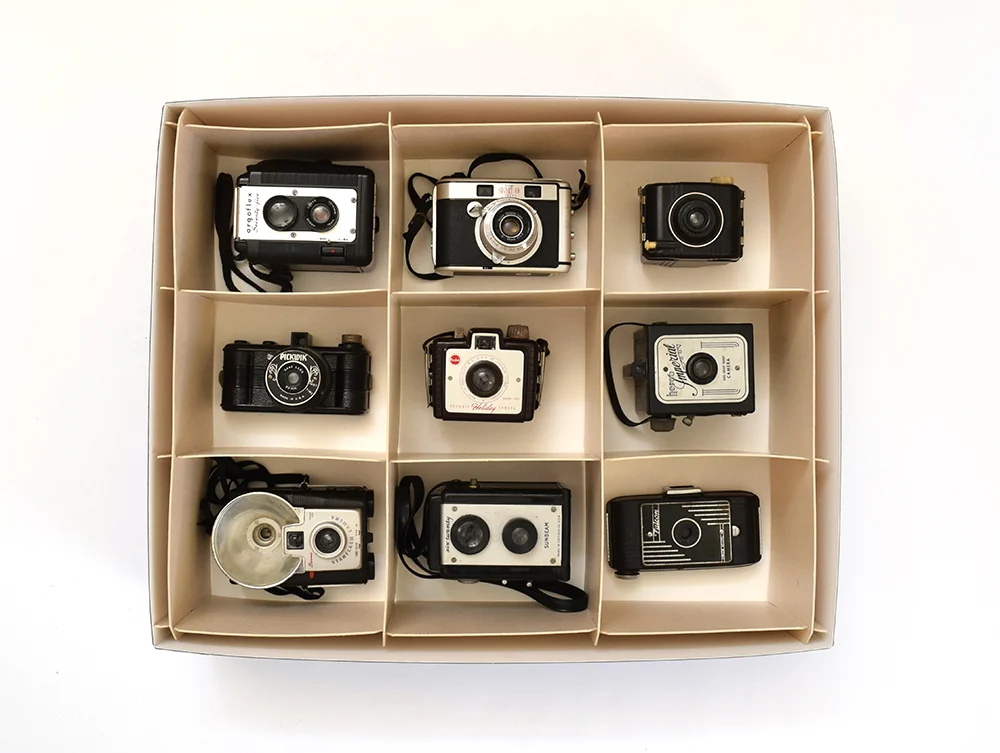
Storage without environmental control, archival packaging, and condition monitoring is a passive strategy that protects neither material nor data. In market practice, poor storage generates losses and deformations that are later discounted in professional valuation.
A second error is loss of information due to lack of cataloguing.
A collection without an inventory, numbering, photographs, and basic parameters becomes unverifiable, especially in inheritance situations. In market practice, the absence of a catalogue means that real market value must be reconstructed from scratch, and some objects lose identification.
A third error is performing interventions without conservation standards and without documentation.
Aggressive cleaning, polishing, overpainting, repairs using irreversible adhesives, and replacement of elements without marking destroy technological and historical traces. In market practice, such actions increase risk, reduce trust, and limit comparability in comparative analysis.
A typical market misunderstanding is the belief that “heritage” is a category independent of the market.
The auction and private markets do not value intention, but verifiable object features and transactional risk. Heritage protection is therefore market-effective only when it translates into data quality, condition, and provenance.
Valuation and heritage collections
When does professional valuation make sense in heritage collections?
When the collection is to be insured, transferred through inheritance, organized, or prepared for phased sale without loss of information control. Professional valuation, based on comparative analysis, orders conservation priorities and identifies objects with the highest discount risk. It is a management tool, not only a transactional one.
When valuation does NOT make sense
Valuation does not make sense when the owner does not maintain a minimum data standard and does not plan to implement it, making comparative analysis speculative.
Valuation also makes no sense when the goal is solely private storage without insurance, inheritance, or market decisions.
In such cases, it is honest to speak about cataloguing and material safeguarding rather than professional valuation.
Summary
Collecting protects heritage effectively only when it combines stabilization of condition with maintenance of data and provenance, which directly supports professional valuation based on comparative analysis and real market value.
FAQ
Can a private collection perform a heritage protection function?
According to ArtRate.art experts, yes, if the collection maintains data standards, condition control, and verifiable provenance.
What is more important for heritage: the object or the information about the object?
In market practice, both elements are inseparable, because lack of data reduces identifiability and real market value.
Do the auction and private markets help preserve an object’s “trace”?
According to ArtRate.art experts, auction often preserves a catalogue trace, while private sale requires independent documentation or the data disappear.
What minimum should a collection catalogue contain?
In market practice, the minimum includes: numbering, photographs, dimensions, material, technique, approximate dating, condition description, and provenance information.
When does professional valuation support heritage protection?
According to ArtRate.art experts, when it helps establish priorities for safeguarding, insurance, and inheritance decisions based on comparative analysis and real market value.