The Boundary Between Safeguarding and Loss
In the world of antiques and collectible objects, conservation remains one of the most underestimated and at the same time most risky areas of ownership decisions. For some, it is a natural reflex of care: “it needs to be repaired, refreshed, protected.” For the market, however, it can be a warning signal. The paradox is that actions undertaken in good faith – and often at considerable expense – can reduce an object’s value more than decades of honest wear. In collecting, not every improvement is added value, and not every intervention is neutral.
From the perspective of decades of observing the market, one conclusion is clear: conservation is not merely a technical issue, but a market one. Its meaning is defined not by the owner’s sense of aesthetics, but by how the market reads authenticity, continuity, and historical integrity. This is where the central question arises: when does conservation protect value, and when does it irreversibly damage it?
Conservation vs restoration: a distinction the market does not forgive
The most common and costly mistake is confusing conservation with restoration. In everyday language the terms are often used interchangeably, but for the market they represent opposite approaches. Conservation, in the collecting sense, means minimal, reversible actions aimed at preserving original material. Restoration seeks to improve appearance: filling losses, reconstructing form, or aesthetically “refreshing” the object.
The antiques market is unforgiving toward excessive restoration. Over-polishing, repainting, reconstruction of missing elements, aggressive cleaning of metal or ceramics – all may appear attractive to an untrained eye, but to an experienced buyer they signal loss. At that point, the object ceases to be a historical witness and becomes a contemporary interpretation of the past.
Authenticity as market currency
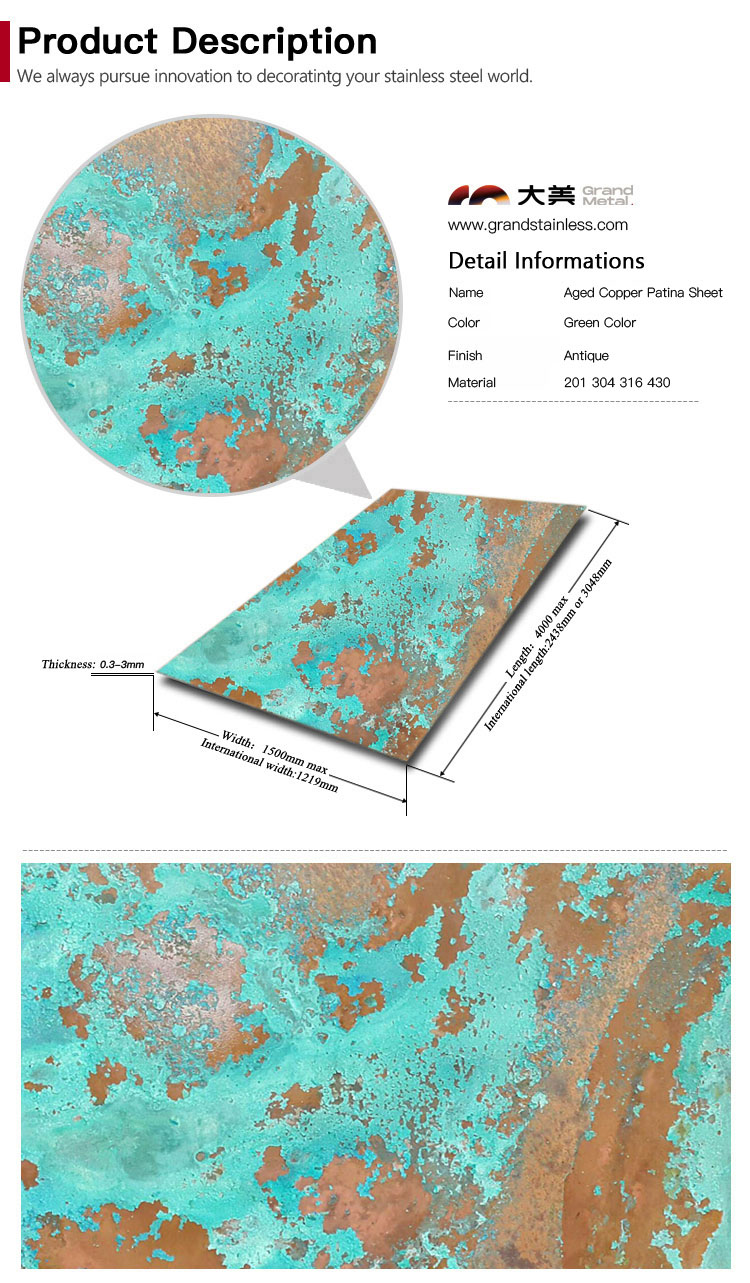
Market value in antiques is built on trust: trust in material, technology, and traces of use. Patina, minor losses, and surface ageing are not defects but information. They confirm continuity and allow the market to distinguish original objects from later interventions.
Conservation that removes or masks these traces works against market logic. This applies particularly to:
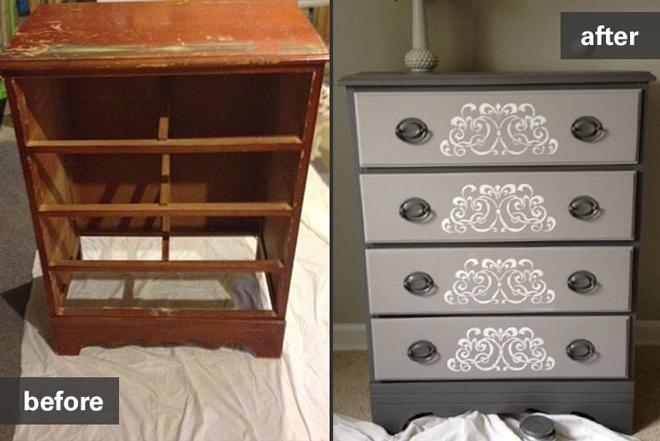
- furniture stripped of original finishes,
- silver and bronze objects excessively polished,
- paintings “brightened” to modern aesthetic expectations,
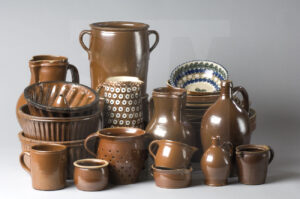
- ceramics and glass with fills that obscure original losses.
In each case, the decisive question is not whether the object looks better, but how much of the original substance remains.

When conservation is necessary and justified
Conservation is not inherently wrong. There are situations where lack of intervention would lead to real deterioration and loss of value. The boundary does not lie between acting and not acting, but between safeguarding and interference.
Conservation is justified when it:
- stabilises structure (e.g. loose joints, fragile wood, unstable components),
- halts destructive processes (active corrosion, mould, delamination),
- is reversible and professionally documented,
- preserves the visual character rather than altering it.
The governing principle is minimal intervention: doing exactly what is necessary, and nothing more.
Documentation of conservation as part of value
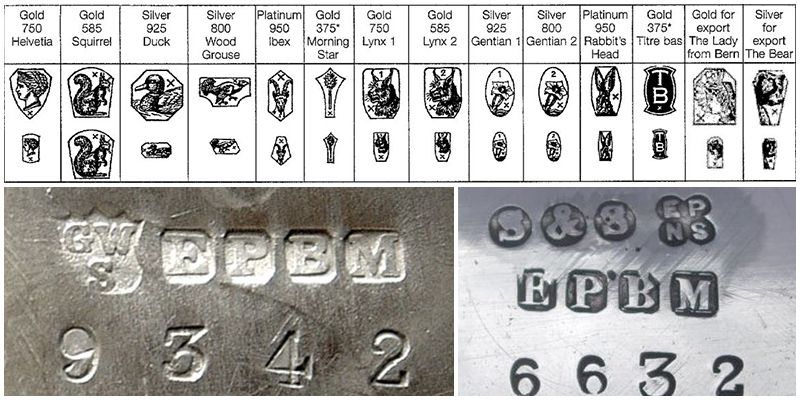
One of the most underestimated elements of conservation is documentation. For the market, it matters not only what was done, but who did it, when, and how. Professional documentation – descriptions of treatments, before-and-after photographs, materials used, scope of intervention – can protect value even when work was necessary.
Lack of documentation has the opposite effect. It raises suspicion, complicates valuation, and increases transactional risk. An undocumented intervention is not read as “care,” but as an unknown variable.
The most common owner mistakes
In practice, the greatest losses of value rarely come from dramatic errors, but from small, repeated decisions:
- cleaning with household methods,
- repairs by craftsmen without conservation training,
- interventions undertaken shortly before sale “to make it look nicer,”
- failure to consult the market before starting work.
Owners often assume that money spent on conservation automatically translates into higher value. The market does not work this way. It does not reimburse costs; it assesses results and risk.
Conservation and market timing
Timing is critical. Conservation undertaken during the long-term building of a collection may have a different rationale than work done immediately before sale. The market is particularly suspicious of objects that have been “recently improved,” because the question arises: what is being concealed?
In many cases, the best sales decision is no conservation at all, combined with an honest description of condition. The premium market prefers transparency over cosmetic perfection.
Conclusion: protecting value begins with restraint
Conservation in collecting is never neutral. It can protect value, but it can also permanently destroy it. The boundary between safeguarding and loss lies where respect for authenticity ends and the desire to “improve” history begins.
The most valuable collections are not those that look the newest, but those that preserve the greatest integrity. In the long run, integrity always outperforms visual effect.