When is gold merely a precious metal, and when does it become an object of historical and market value?
Gold has for centuries functioned as a synonym of value, durability, and security. In the minds of art and antique owners, it often holds a privileged position: “gold always has value,” “gold never loses value,” “gold defends itself.” In the reality of the collectors’ market, however, gold is one of the most frequently misjudged materials.
Weight and fineness are commonly mistaken for actual market value, while in practice gold is often only one of many components in an object’s valuation. The difference between gold as bullion and gold as a collectible object may result not in a minor adjustment, but in a valuation that shifts by several hundred percent — upward or downward.
What Gold Represents in the Collectors’ Market
From the perspective of the antiques and collectibles market, gold operates within three distinct categories that should never be conflated.
Functional gold consists of objects whose value is based almost entirely on metal weight and fineness. Contemporary jewelry, bullion, and items lacking historical or artistic context are valued as raw material, not as collectible objects.
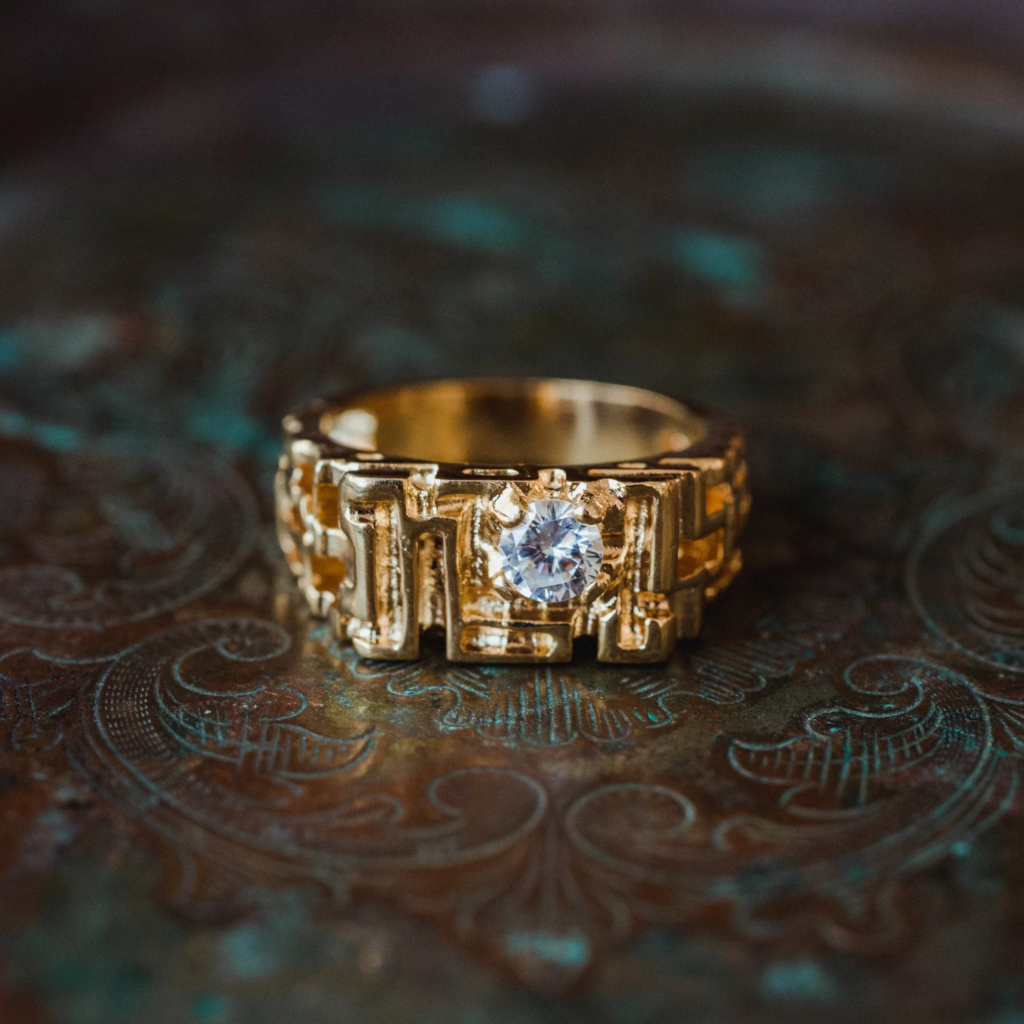
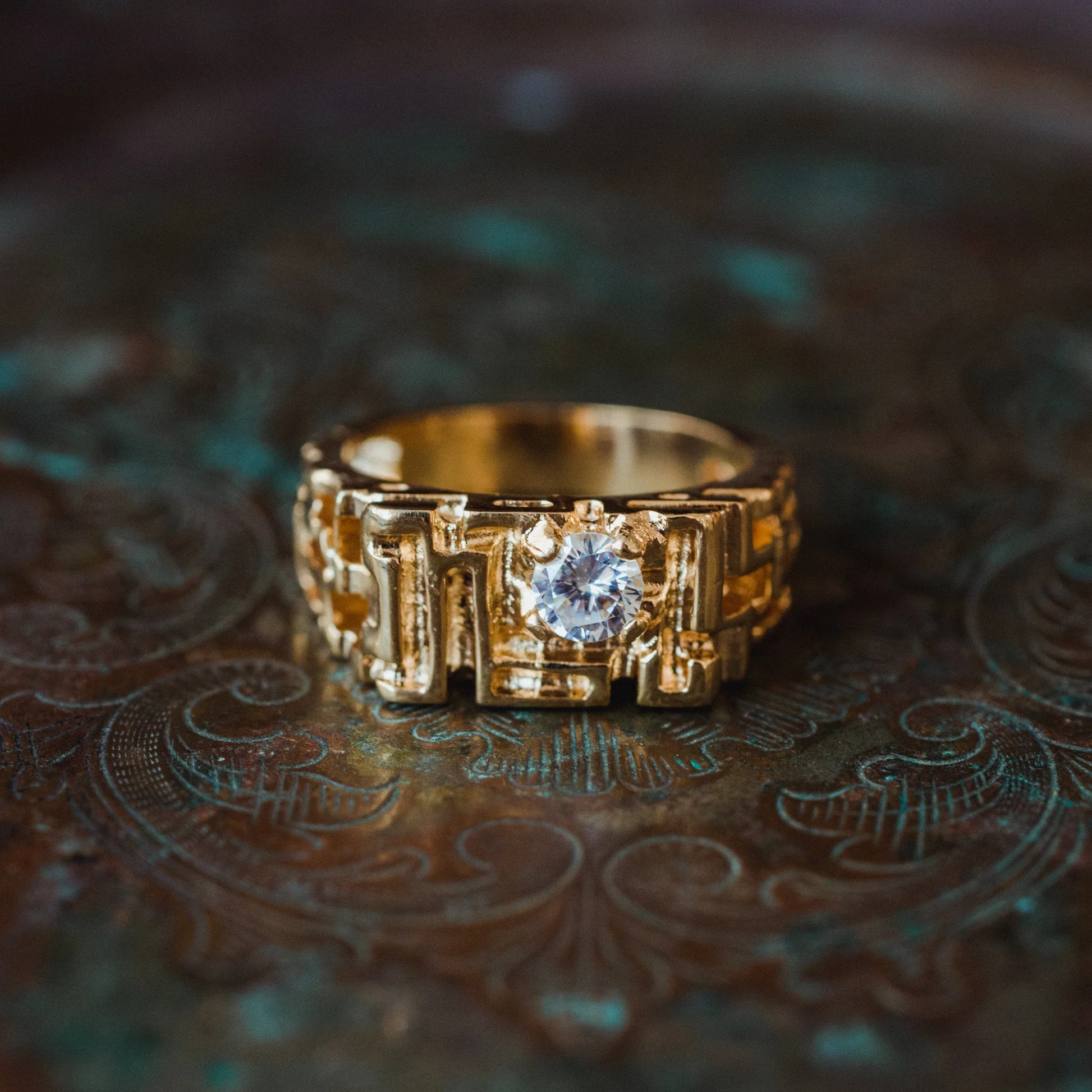
Collectible gold refers to objects in which the metal is only one component of value — alongside form, craftsmanship, authorship, period, rarity, and condition. This is the category that genuinely interests the antiques market.
Investment gold exists outside the art market entirely and follows financial rather than cultural mechanisms.
What Truly Increases the Value of Gold Objects
Contrary to popular belief, high gold fineness does not automatically benefit an object. Historical goldsmithing often employed lower alloys that allowed for finer, more durable workmanship. Hand chasing, repoussé, filigree, engraving, and techniques specific to a given period matter far more to the market than the percentage of pure gold.
Eighteenth- and nineteenth-century gold, ecclesiastical gold, and objects connected to courts, the Church, or specific social environments are evaluated very differently from later mass production. Period provides context — without it, gold loses its narrative and becomes mere material.
Signatures of goldsmiths, assay marks, and workshop stamps can be crucial, but only when legible, period-correct, and verifiable. A mark alone, without confirmation, adds risk rather than value.
The market does not reward “uniqueness” as owners define it, but transactional rarity. An object may be unique within a family, yet if similar examples regularly appear at auction, its market position remains limited.
Collectible gold operates globally. Demand from Western Europe, the United States, or the Middle East often determines whether an object achieves a price far exceeding its melt value.
What Most Often Reduces Value — Even by 50–80%
Melting, deformation, worn details, and structural losses are serious warning signals for the market. Gold is far less forgiving of damage than materials such as ceramics or wood.
Polishing, soldering, part replacement, and chemical cleaning frequently destroy an object’s original character. For the market, “cleaner” almost always means “less authentic.”
Missing original clasps, construction elements, or decorative components undermine coherence and credibility, directly affecting value.
“Family gold,” “a church gift,” or “certainly court-related” remain narratives unless supported by documentation. Stories do not translate into price.
Common Myths and Owner Errors
“Gold always increases in value.”
“It is heavy, therefore expensive.”
“It is old, therefore valuable.”
“It is sacred, therefore important.”
“It resembles something seen in a museum.”
The market does not price associations. It prices risk and transactional comparison.
How the Market Actually Values Gold Objects
Auction houses focus on comparability and demand. Dealers assess resale potential. Collectors evaluate completeness and documented history.
Asking prices are almost never transaction prices, and the difference between them can exceed the value of the metal itself.
When a Professional Appraisal Makes Sense
- before sale,
- during estate division,
- for insurance purposes,
- when deciding whether to keep or sell,
- whenever an object may have collectible rather than purely material value.
Expert Summary
Gold is not equal to gold. Market value is determined by context, form, condition, and demand — not by weight or fineness. This cannot be assessed “by eye” or by scrap prices.
If you own a gold object and wish to understand whether it holds genuine collectible potential rather than merely bullion value, this is precisely the type of analysis conducted at ArtRate.art.