
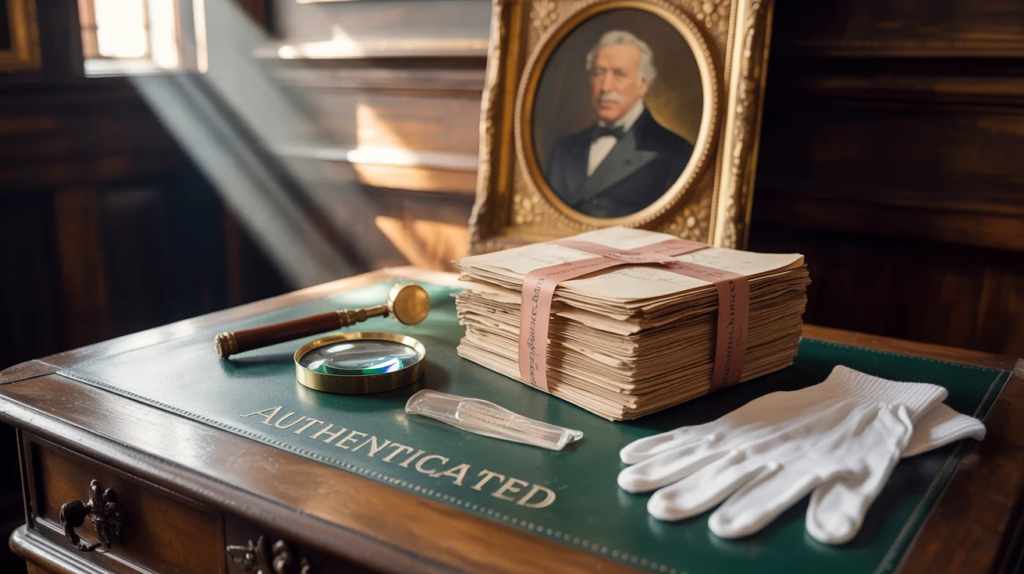
– legal, insurance, and financial consequences
In the art and antiques market, the belief still dominates that an appraisal comes down to one number. The owner wants to know “how much it is worth,” preferably quickly and unequivocally. The number itself becomes the goal, and the document — a supplement that is rarely read carefully.
Meanwhile, in market practice, it is not the number that determines the real value of an appraisal, but the document in which that number has been placed.
A number without context is an opinion.
A document is evidence.
And that difference has real consequences — legal, financial, and insurance-related.
A number does not exist in a vacuum
The price of a work of art or a historic object is not an objective fact. It is a conclusion that results from specific assumptions: condition, authorship, market comparisons, the sales channel, and the current demand situation.
Without describing those assumptions, the number itself says nothing about why it was adopted and how far it can be defended.
An appraisal document serves as a map of argumentation. It shows the appraiser’s line of reasoning, the scope of responsibility, data sources, and the limitations of the analysis. Without this, every number is only a declaration — susceptible to being challenged at the first dispute.

Legal consequences: when the number stops being enough
In inheritance, divorce, tax, or court proceedings, the number alone has no force if it is not backed by a document that meets specific standards. The court does not ask “how much is it worth?”, but: on what basis was this determined.
The appraisal document specifies:
- the subject of the appraisal in an unambiguous manner,
- the date as of which the value was determined,
- the purpose of the appraisal (inheritance, sale, collateral, insurance),
- the methodology applied,
- the scope of the author’s responsibility.
Without these elements, the number can be easily undermined — even if it seems “reasonable” in itself.

Insurance: the difference between a payout and disappointment
One of the most common mistakes owners make is insuring objects on the basis of an “approximate value,” a conversation with a dealer, or an old purchase price. When a loss occurs, it turns out that the insurer expects not a number, but a document.
A professional appraisal contains information crucial for the policy: a description of condition, the scope of coverage, the way the value was determined, and any reservations. Without this, the insurer has the right to question both the amount of the claim and the very basis for paying out.
In practice, this means that a well-prepared appraisal document may be more important than the insured sum entered in the policy.

Finance and the market: a number without a document doesn’t work
In professional dealings — private sale, loan collateral, relationships with institutions — it matters not only how much, but whether it can be defended.
An appraisal document is a negotiation tool. It allows the conversation to be moved from the level of emotions to the level of arguments.
The art market is a market of risk. Every buyer calculates not only potential profit, but also the possibility of later resale. An appraisal document organizes that risk: it shows what has been verified and what remains unknown. The number alone does not do that.
Why shortened “online valuations” fail
Today’s popular online valuations, calculators, and “AI price check” tools offer numbers without backing. They do not include a condition description, they do not analyze provenance, they do not define the purpose of the appraisal. They are convenient, but useless in situations where real money is at stake.
The owner receives a number, but without a document is left alone with it — without legal protection, without arguments, and without the ability to defend it in a confrontation with the market or an institution.
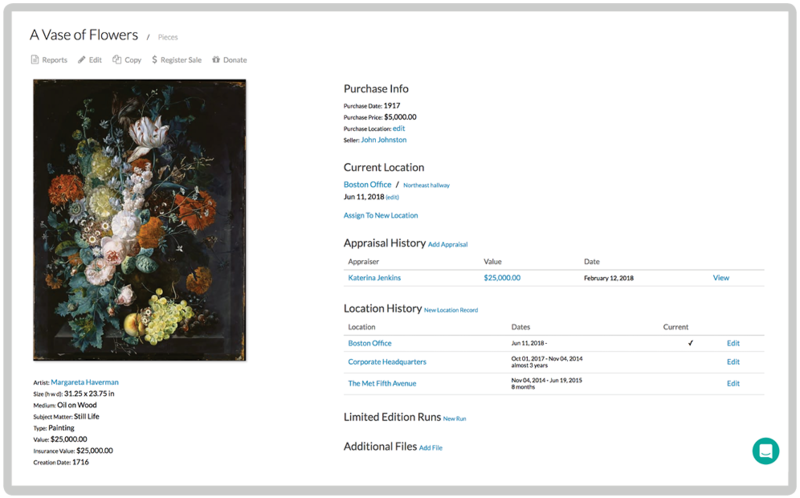
The document as a form of accountability
A professional appraisal document is also a declaration of the appraiser’s responsibility. A signature under the document means that the author takes responsibility for the methodology applied, the scope of analysis, and the conclusions. No “quick appraisal” offers that.
That is why, in mature trading, one does not ask: “how much is it worth?”, but: how was this value determined and can it be defended.
Summary
The number is only the final result. The document is the process, the evidence, and the safeguard. Without a document, an appraisal does not exist in a legal or market sense — it exists only as an opinion that is easy to challenge.
In the world of art and antiques, what has real value is not declarations, but arguments. And those are always recorded not in the number, but in the document that justifies that number.
If you want to know not only how much your object is worth, but also why — and whether that value can be defended — a professional appraisal begins with the document, not with the digit.