
In the trade of antiques and works of art, the word “provenance” functions almost like a spell. It appears in auction catalogues, gallery descriptions, and private conversations between sellers. It is meant to suggest certainty, stature, and uniqueness. Yet from the perspective of a market that has seen thousands of objects and just as many stories added to them years later, provenance is a double-edged tool. It can genuinely increase value. It can also be nothing more than a marketing narrative that sounds convincing but does not withstand analysis.
The problem is that owners very often confuse a story about origin with a documented history of an object. And the market pays for documents, not for stories.
What Provenance Really Is
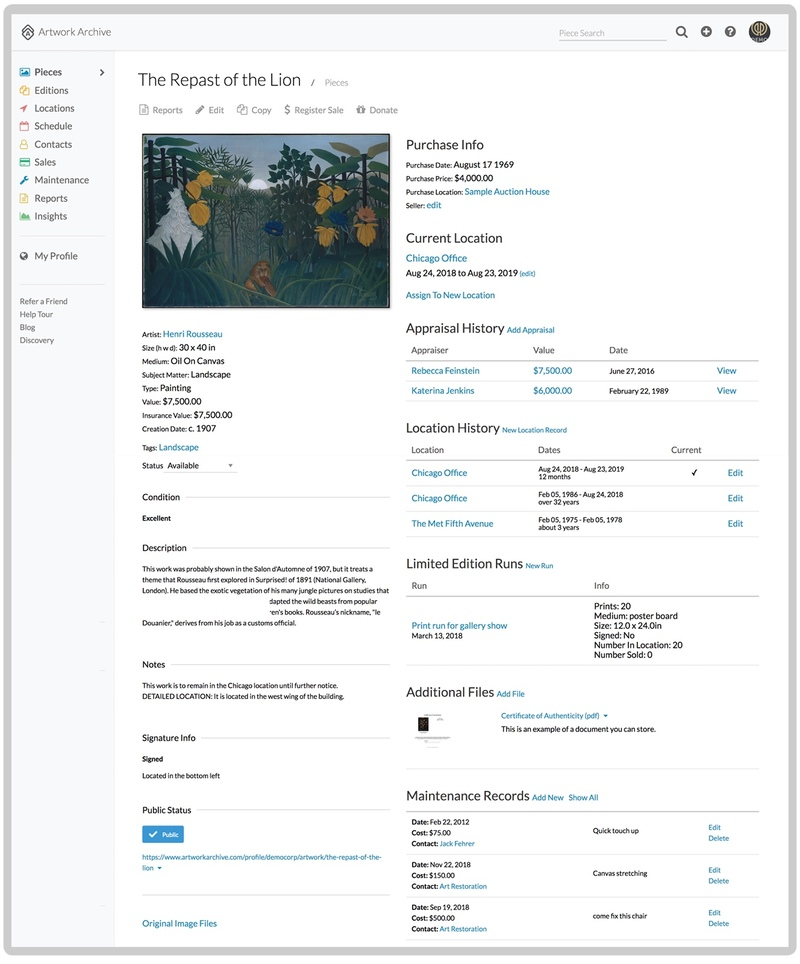
In professional terms, provenance is a sequence of verifiable facts about an object’s history: who owned it, where it was exhibited, which collections it appeared in, when and for how much it was sold, and whether it appears in literature, archives, or catalogues. It is not “from my grandmother’s house.” It is not “once owned by a doctor.” It is not “supposedly brought from Paris.” Provenance is not emotional. It is archival.
For the market, provenance matters only insofar as it reduces risk (of authenticity, legality, legal status) or increases demand (prestige, rarity, historical context).
When Provenance Truly Increases Value
1) When It Strengthens Authenticity and Attribution
If an object has a documented history from the moment of its creation, or at least from an early appearance on the market, the risk of forgery decreases. With it, the buyer’s risk is reduced—and willingness to pay increases. In market practice, this is one of the few factors capable of shifting a price by dozens of percent without any change to the object itself.
2) When It Includes Exhibitions, Catalogues, and Literature
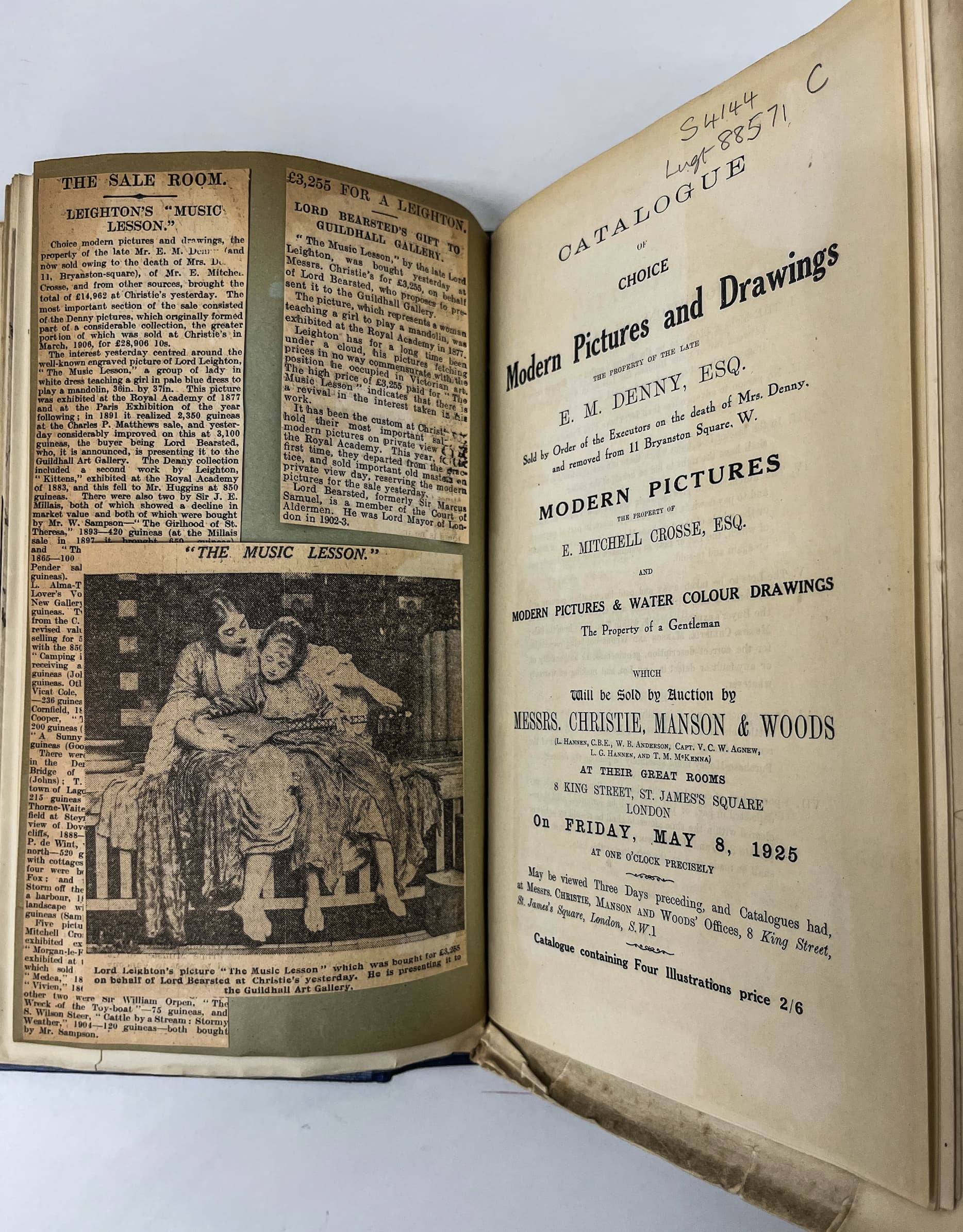
An object that has been exhibited and described in authoritative sources is, for the market, more than a mere item. It becomes part of art history rather than just a commodity. An entry in a catalogue raisonné, mention in a museum publication, or presence in gallery archives—these are facts that build lasting value.
3) When It Relates to a Collection of Real Significance
Not every “old collection” carries the same weight. The market distinguishes between private collections of historical or institutional importance and anonymous collections, even if they span generations. When an object comes from a known, cited, and documented collection, the market often rewards it with prestige. This is a real mechanism of demand.
4) When It Clarifies Legal Status and Ownership History
In international trade, ownership history can be more important than aesthetic qualities. The absence of gaps in ownership history (so-called “provenance gaps”) can determine whether an object is saleable beyond the local market at all. For some buyers—institutions, foundations, and serious collectors—this is a prerequisite for entering negotiations, not a bonus.
When Provenance Is Only an Illusion
1) When It Is Based on a “Family Story” Without Documents
Statements such as “in the family since before the war” may be true, but they are rarely verifiable in market terms. In practice, they mean a lack of sources, continuity, and proof. Such a narrative may have emotional value for the owner, but it does not necessarily carry any value for the market.
2) When It Is Told but Not Proven
“From France,” “purchased in Paris,” “from a private collection”—these are empty phrases unless supported by invoices, correspondence, inventory numbers, archival photographs, or catalogue entries. The market does not reward storytelling style. It rewards verifiability.
3) When Names Are Used to Impress Without Connection to the Object
A common sales tactic is to brush an object with prestige: someone famous owned something similar, someone famous lived in the same city, someone famous “might” have owned it. This is not provenance. It is suggestion.
4) When Provenance Cannot Rescue Quality
The most uncomfortable truth of the market is this: documented origin does not repair poor quality. If an object is average, secondary, or in poor condition, provenance may only “organize” its place in the market—it will not make it collectible. Provenance increases value only when there is something to elevate.
Most Important: Provenance Is a Risk Factor, Not a Decorative Description
In professional valuation practice, provenance is a tool for assessing risk—and the market pays for the reduction of risk. This is why in one case it will increase value materially, while in another it will change nothing except the length of the catalogue description.
If there is one thing worth remembering, it is this:
the art market does not pay for history, but for history that can be proven.