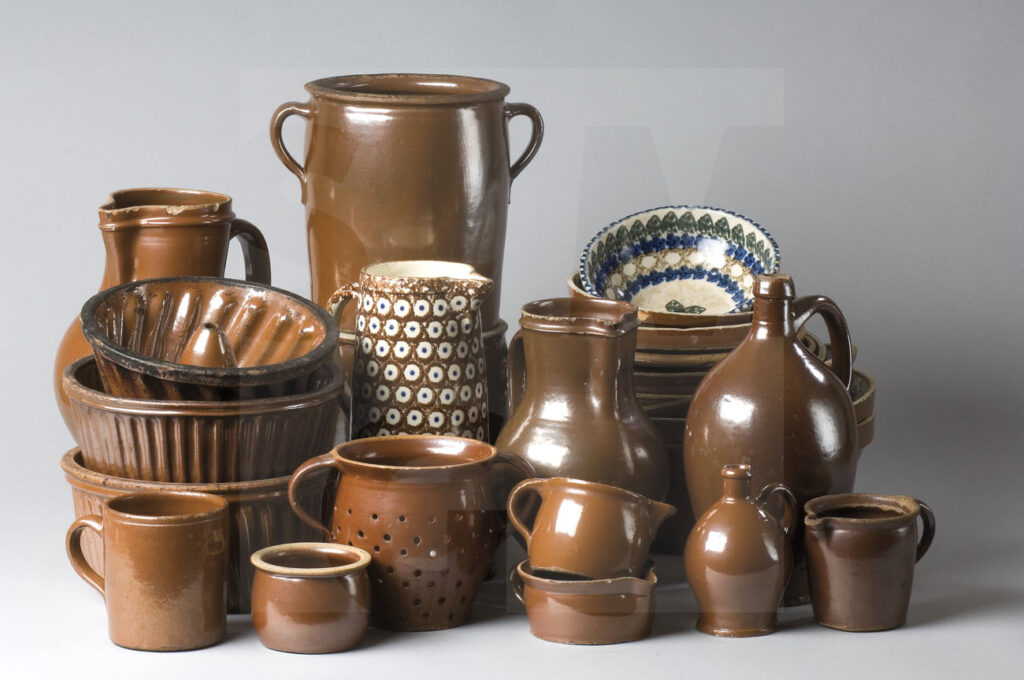
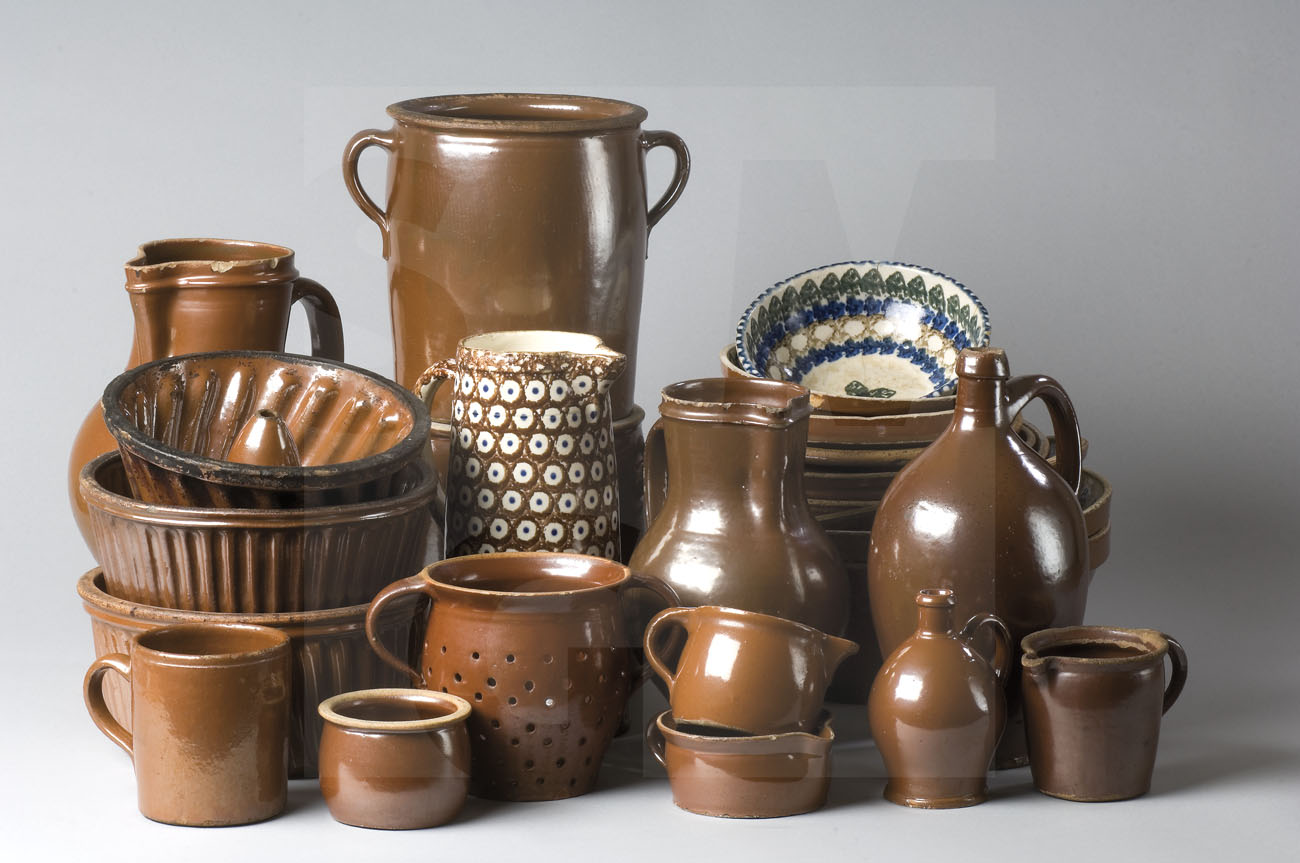
Bolesławiec pottery is stoneware utilitarian and decorative ware produced in the Bolesławiec region, decorated using stamp technique, hand painting, or mixed methods. Professional appraisal includes analysis of the production period, manufacturer’s mark, type of decoration, quality of glaze, condition, and provenance. According to ArtRate.art analyses, the real market value of Bolesławiec pottery depends on chronology, rarity of pattern, and historical context of the manufactory, not on the popularity of a contemporary brand. This article explains which periods and decorations have collector significance and how to distinguish an object with investment potential from a purely utilitarian product.
Market Mechanisms
The real market value of Bolesławiec pottery results from documented transactions of comparable objects on the auction and private market. Comparative analysis should take into account:
- dating
- completeness of the set
- quality of decoration
- condition
It is essential to distinguish between pre-war, post-war, and contemporary production.
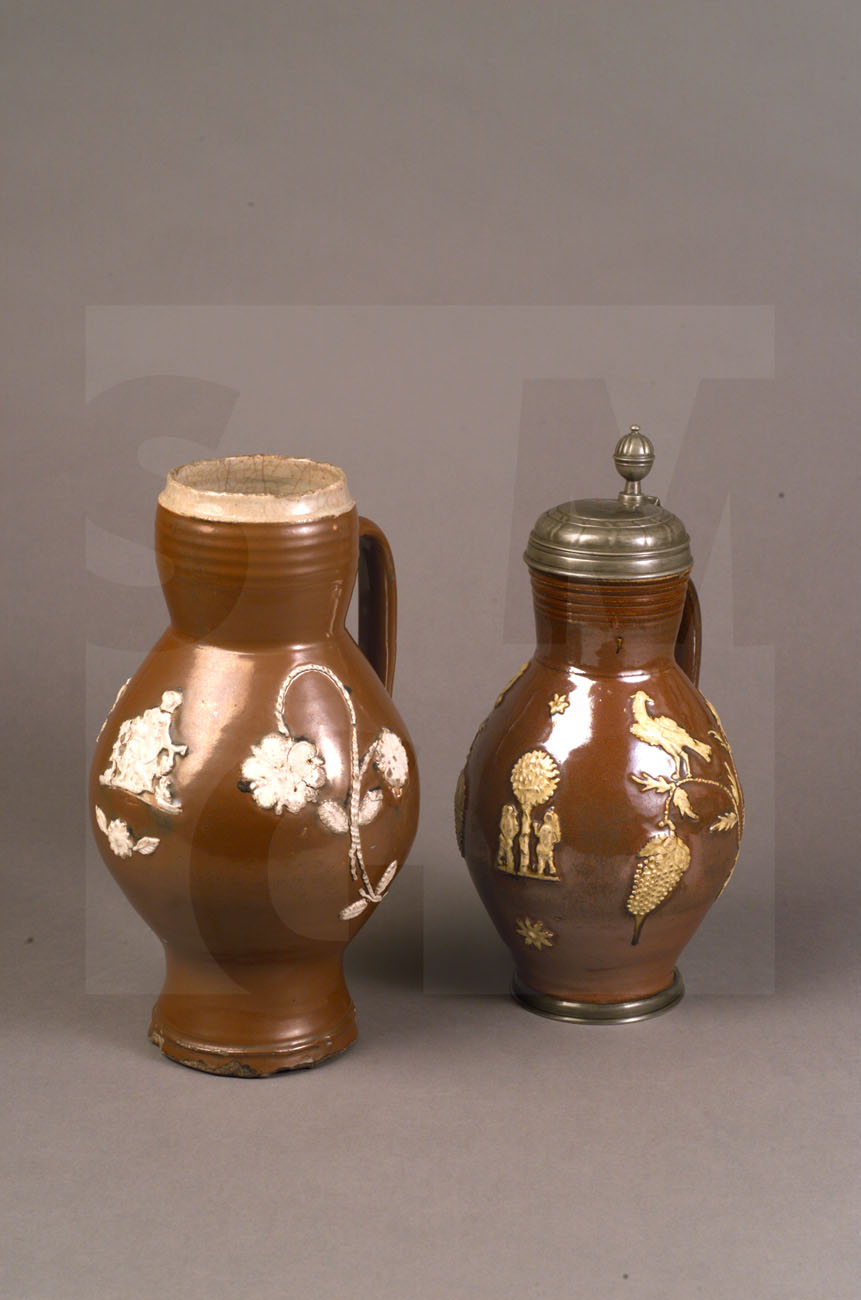
Valuation is influenced by the period of origin. Nineteenth-century pieces and early works from the turn of the 19th and 20th centuries, associated with the development of Silesian manufactories, achieve higher real market value than mass production of the second half of the 20th century. In market practice, objects with a clear mark of a historical manufactory are particularly valued.
The auction market and private market differ in scale of interest:
- on the auction market, primarily older, rare objects or complete services appear
- in private circulation, contemporary vessels dominate, and their real market value is close to retail price and does not show growth tendency
Condition is of key importance. Glaze cracks, edge chips, secondary repairs, and discoloration reduce real market value. Professional appraisal also considers originality of glaze and absence of later interventions.
Provenance increases credibility and price potential. Documented origin from a specific collection, former household, or historical interior may elevate the object’s position in comparative analysis. In the case of contemporary production, provenance rarely affects price.
Periods and Patterns
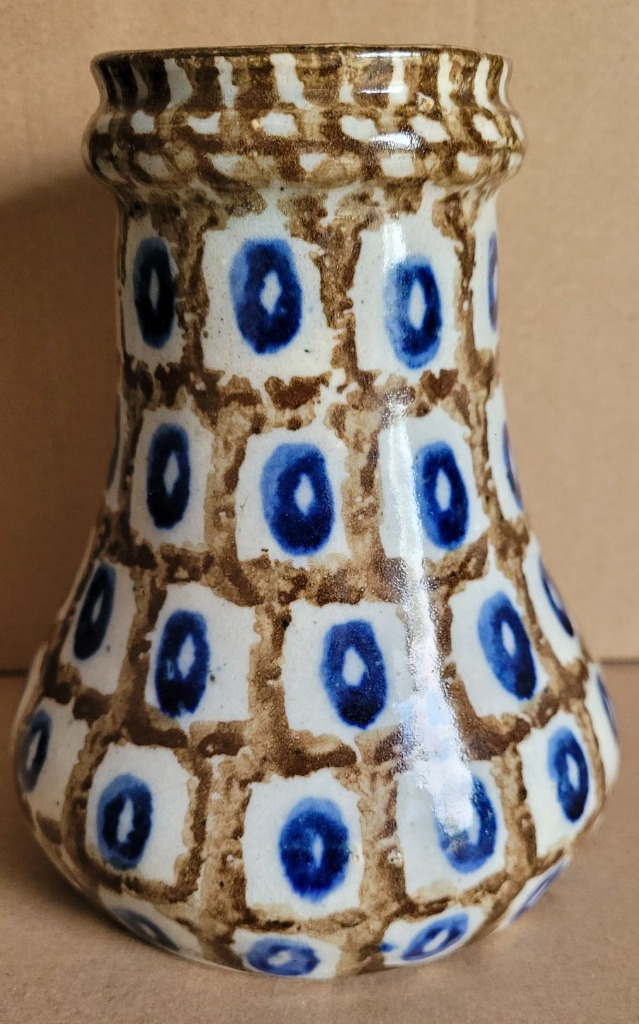
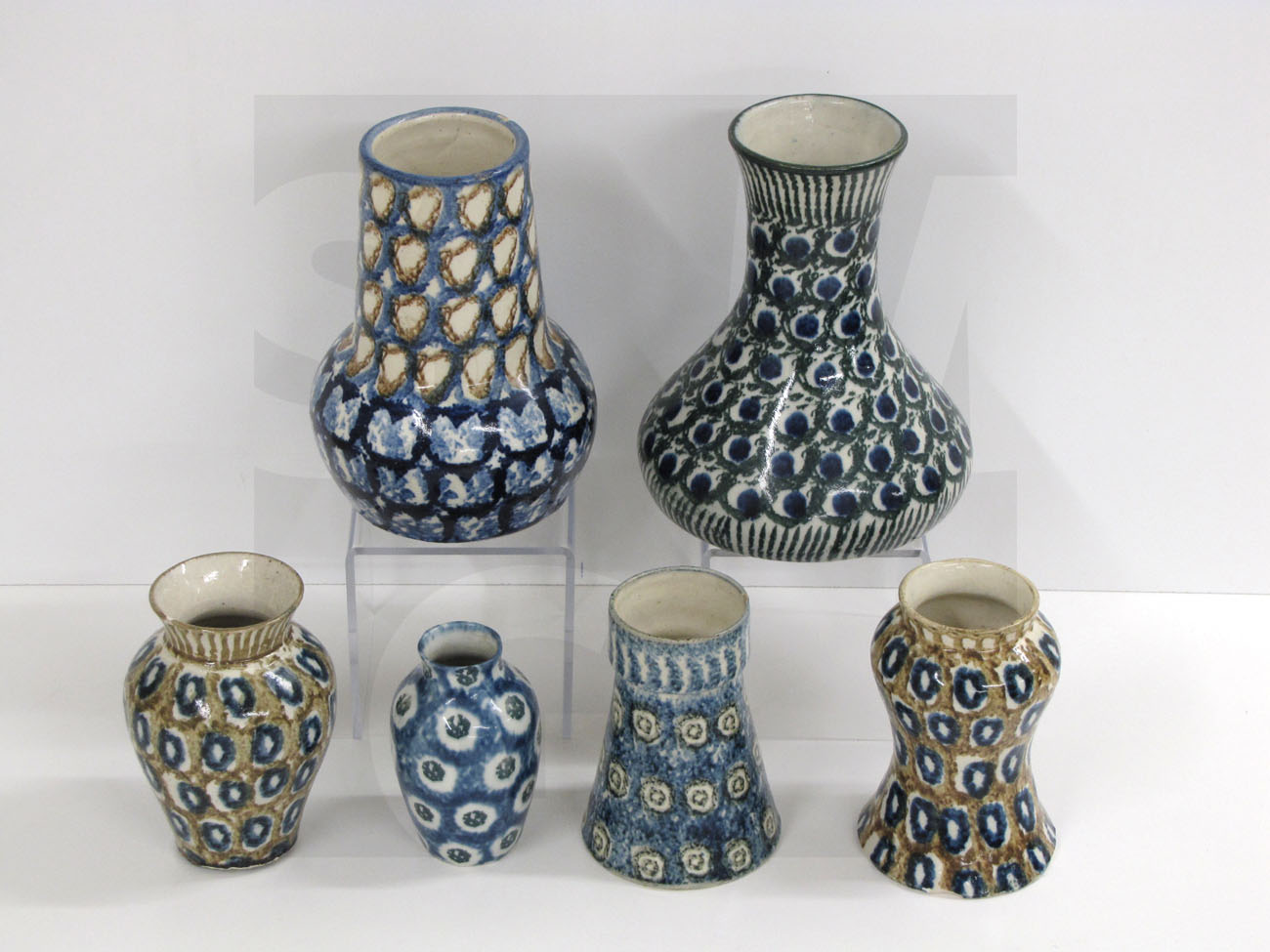
The highest real market value is achieved by objects made before 1945, especially from the period of dynamic development of manufactories in the 19th century. These are characterized by more massive forms, often with simplified decoration in shades of cobalt.
Stamp patterns, although recognizable, do not always imply high value. In market practice, the rarity of a specific motif and its connection to a particular production period are significant. Contemporary variations on traditional patterns function mainly as utilitarian products.
Complete services preserved in uniform decoration achieve higher prices than single elements. Comparative analysis shows that sets with confirmed chronology sell more steadily than random individual vessels.
Most Common Owner Mistakes
The most common mistake is the belief that every Bolesławiec pottery piece has collector character. In market practice, most contemporary production is utilitarian, and its real market value does not exceed retail level.
A second misunderstanding is equating decorative appeal with value. Intense coloration and a popular pattern do not determine historical significance. Professional appraisal requires establishing dating and manufactory context.
A frequent error concerns repairs. Gluing chips or retouching glaze reduces real market value. In comparative analysis, objects in untouched condition achieve a clear price premium.
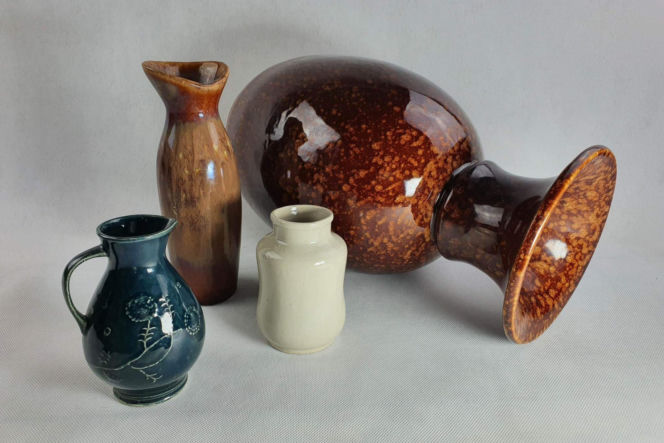
When Professional Appraisal Is Not Justified
Professional appraisal is not justified in the case of contemporary vessels available in constant retail sale. The cost of expert assessment may exceed their real market value.
Appraisal is justified when there are indications of:
- pre-war origin
- a rare manufactory mark
- completeness of a historical set
In such cases, comparative analysis and verification of authenticity have a direct impact on price in transactions on the auction and private market.
Summary
Bolesławiec pottery may have real collector value only in specific periods and configurations, whereas contemporary production remains mainly a utilitarian segment.
FAQ
Is every Bolesławiec pottery piece valuable?
According to ArtRate.art experts, most contemporary production has limited real market value and functions as utilitarian ware.
Which period is most sought after?
In market practice, objects made before 1945, especially from the 19th century, are valued the highest.
Does lack of a mark eliminate value?
According to ArtRate.art experts, absence of a mark complicates professional appraisal, but does not exclude authenticity if chronology and technique are confirmed.
Do single plates have investment potential?
In market practice, complete sets achieve higher prices; single elements usually have limited real market value. Jeśli masz takie przedmioty to sprawdż na www.artrate.art.