
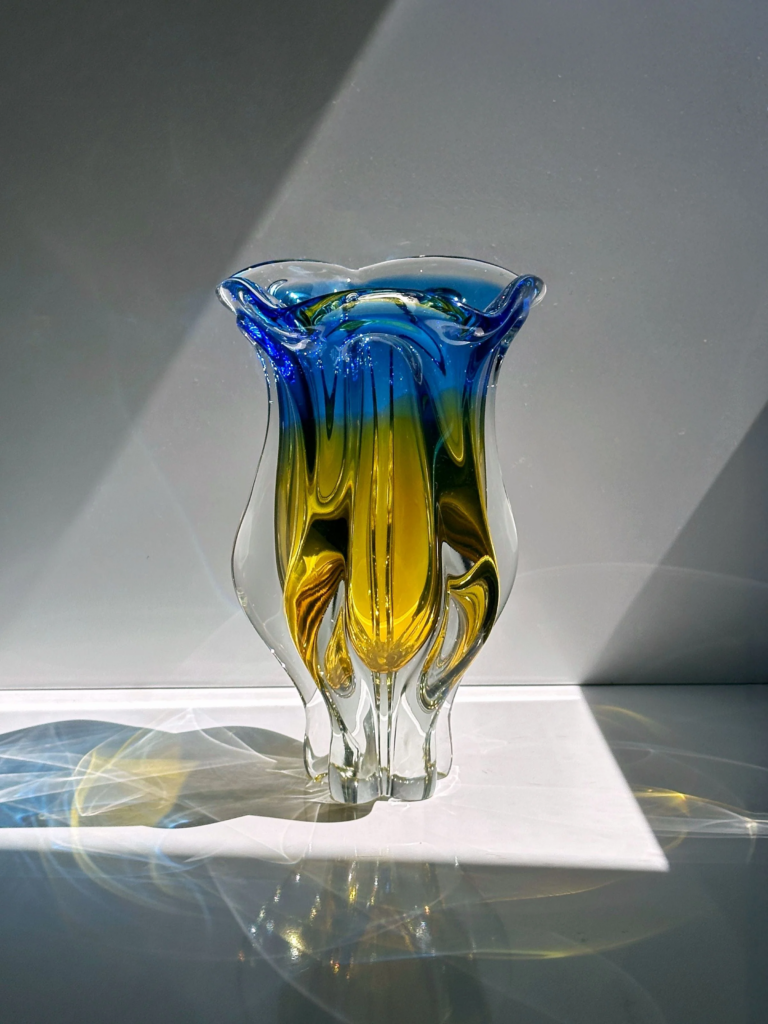
Polish vintage glass from the 1960s–1980s includes artistic and utilitarian glass produced by glassworks operating during the PRL period, designed by industrial designers and manufactured serially or semi-serially. Professional appraisal includes analysis of project authorship, glassworks, production technology, condition, rarity of the model, and provenance.
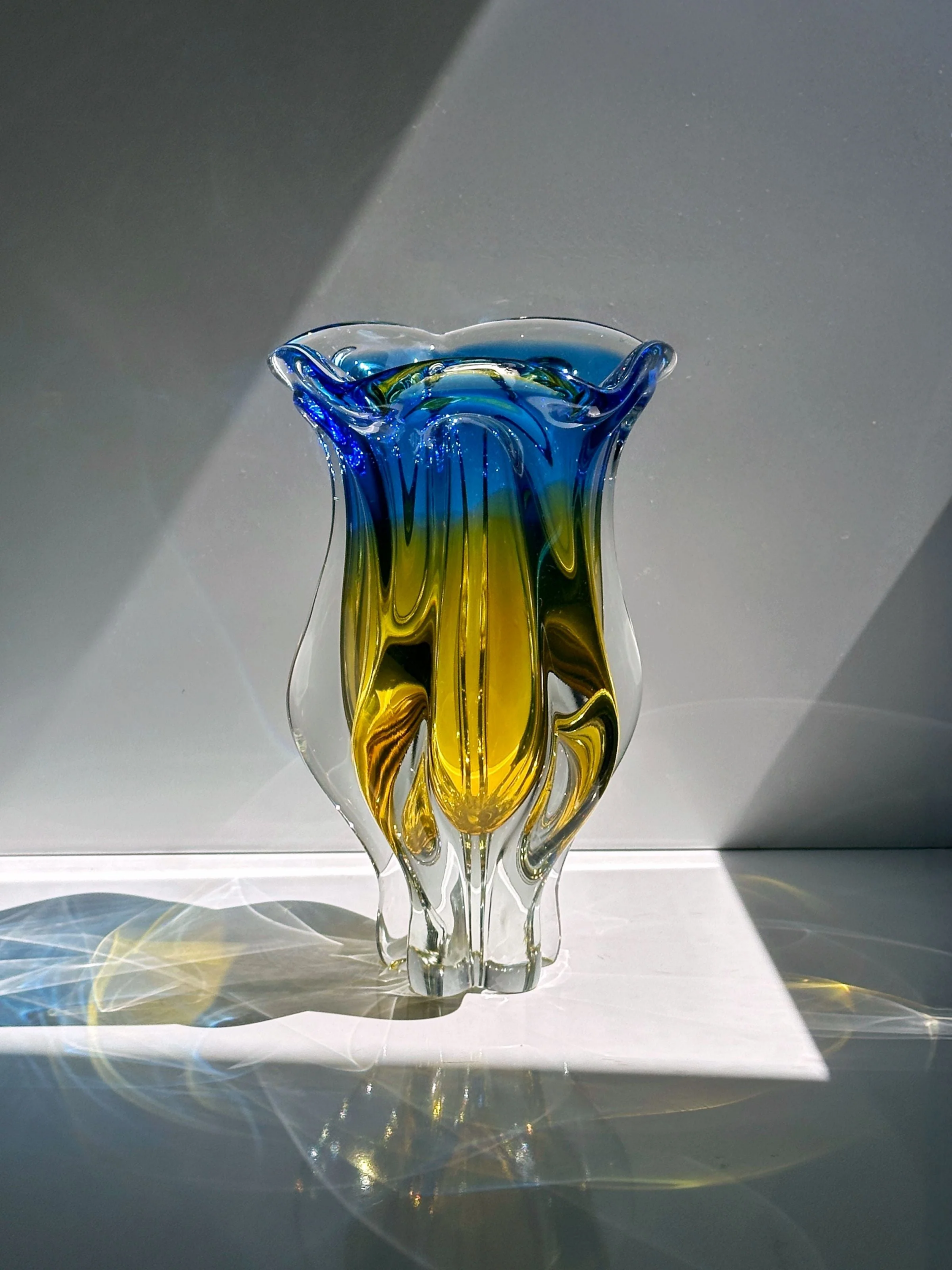
According to ArtRate.art analyses, the real market value of glass from this period depends on confirmed authorship of the design and limited supply of a given model, not on general fashion for PRL aesthetics. This article explains whether interest in vintage glass has a lasting character and which factors influence its valuation on the auction and private market.
Market Mechanisms
The real market value of vintage glass results from documented transactions of objects with the same attribution and condition. Comparative analysis should take into account:
- the designer
- the glassworks
- year of introduction of the model
- scale of production
It is essential to distinguish an authored design from anonymous production.
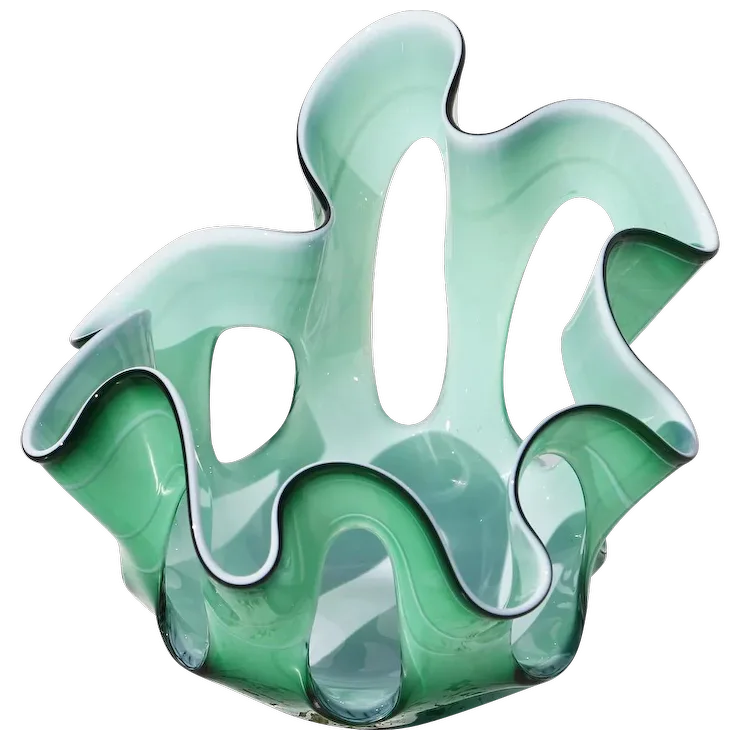
Valuation is influenced by recognition of the creator and quality of the design. Models attributed to well-known designers, produced for a limited time, achieve higher real market value than serial production without documented authorship. In market practice, original color scheme and preservation of the original form are also significant.
The auction market and private market differ in demand structure:
- on the auction market, objects with confirmed attribution and rarity are sold
- in private circulation, popular forms dominate, whose real market value is moderate and sensitive to changes in trends
Condition is of fundamental importance. Chips, scratches, surface dulling, and secondary polishing reduce real market value. Professional appraisal also considers the presence of original glassworks labels, which strengthen the credibility of the object.
Provenance affects price stability. Documented origin from a collection or direct purchase during the production period may constitute an element supporting comparative analysis. Lack of documents does not exclude sale but limits the possibility of obtaining a higher valuation.
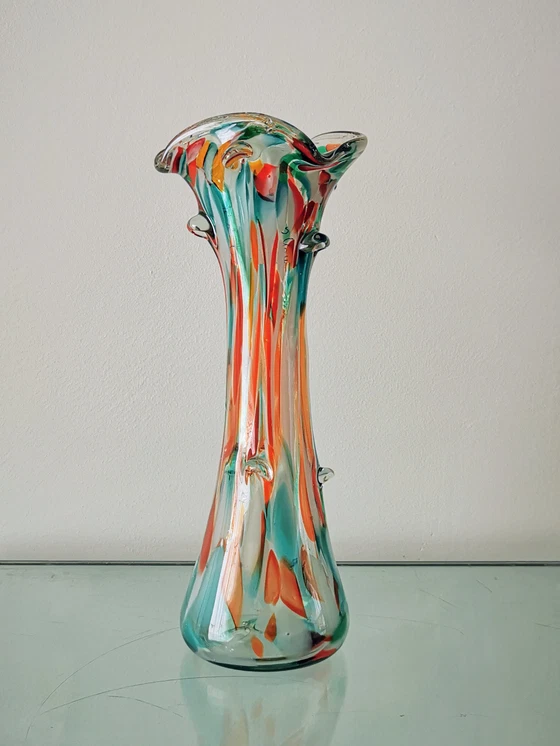
Design, Glassworks, Authorship
It is important to distinguish between individually designed glass and serial production. During the PRL period, a system of cooperation between designers and glassworks functioned, resulting in models signed with the designer’s name. Such objects have higher real market value than anonymous products.
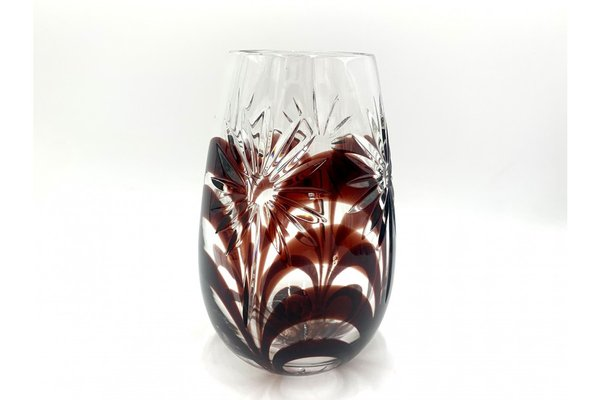
The role of the glassworks is crucial in analysis. Individual factories specialized in specific techniques and forms. Comparative analysis must take into account the consistency of the model with the documented output of a given glassworks.
Color scheme and production technique are also significant. Characteristic features of selected decades include:
- soda glass colored in the mass
- thick forms with organic shapes
- experimental color combinations
Repetitive models with simplified form occupy a lower position in collectors’ trade.
Most Common Owner Mistakes
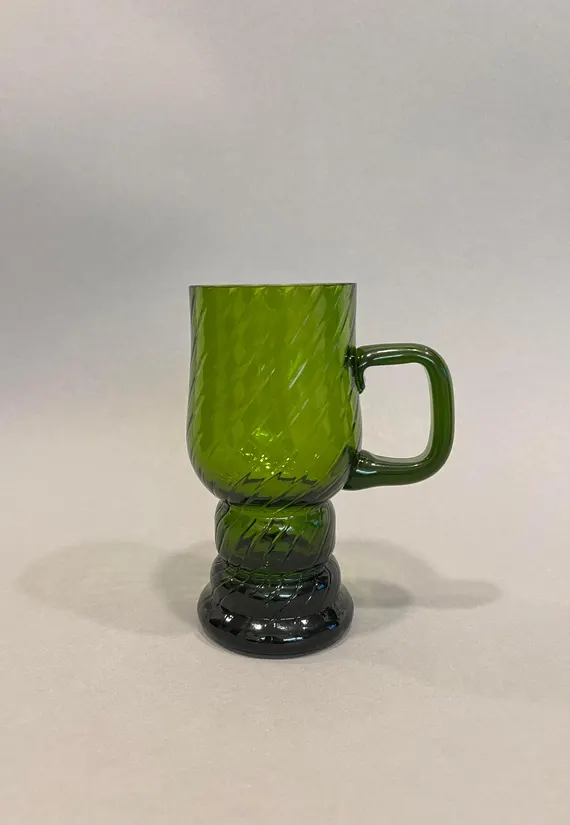
The most common mistake is the belief that every object from the PRL period has collector potential. In market practice, design and rarity are decisive, not the production date itself. Most utilitarian glass from the 1970s and 1980s has limited real market value.
A second misunderstanding is equating popularity on social media with lasting price growth. An aesthetic trend does not always translate into a stable segment of the auction and private market. Professional appraisal is based on comparative analysis, not on temporary fashion.
A frequent error concerns cleaning and restoration. Polishing the surface or removing labels reduces authenticity. In comparative analysis, objects preserved in original condition achieve higher prices.
When Professional Appraisal Is Not Justified
Professional appraisal is not justified in the case of mass-produced vases and platters without confirmed authorship. The cost of expert assessment may exceed their real market value.
Appraisal is justified when the object can be attributed to:
- a specific designer
- a particular glassworks
- a short production series
In such cases, comparative analysis and verification of authenticity have a direct impact on price in transactions on the auction and private market.
Summary
Fashion for glass from the 1960s–1980s may persist in the segment of authored designs, whereas mass production remains a market with limited real market value.
FAQ
Is every piece of PRL glass collectible?
According to ArtRate.art experts, most production was utilitarian and has moderate real market value.
Does lack of a label exclude value?
In market practice, absence of a label complicates professional appraisal but does not exclude authenticity if attribution of the design is confirmed.
Will prices of vintage glass increase?
According to ArtRate.art experts, price growth concerns mainly rare models and authored designs; the mass segment remains stable.
Do damages matter significantly?
In market practice, even minor chips significantly reduce real market value in the collectors’ segment.