
The absence of a signature is a situation in which an object does not bear a clear authorial identifying mark in its original layer, and its attribution is based on formal, technological, and comparative features.
Within the ArtRate.art framework, analysis includes real market value, professional valuation based on comparative analysis, identification of workshop and school, dating, condition, provenance, and the risk of secondary and false signatures.
According to analyses by ArtRate.art, the absence of a signature is not automatically a discount, because in many market segments the signature is not the primary carrier of value, and its presence may generate greater risk than its absence.
This article explains when an unsigned object functions better on the market than a signed one, which mechanisms lie behind this advantage, and when professional valuation is the only method of limiting risk.
Market mechanisms
The real market value of an unsigned object depends on comparability rather than on the presence of a signature itself. If the market has a sufficient number of transactions for a given type, workshop, school, or category, comparative analysis can establish value ranges without an authorial signature.
In market practice, a signature functions as a premium only in segments where authorship is the primary criterion of demand.
The data influencing valuation in unsigned objects shift the burden of proof onto the object’s characteristics. Technique, material, construction, format, type of ornament, manner of applying the paint layer, type of support, tools, workshop traces, and stylistic comparisons replace the signature as indicators of origin. The more complete the data, the smaller the discount and the greater the stability of real market value.
The auction and private markets distribute signature-related risk differently. Auction operates under conditions of transparency and public verification, so a questionable signature may undermine trust in the entire catalogue entry. Private sale may limit exposure of risk, but lack of transparency does not remove the problem, because during due diligence doubts return in negotiations.
The importance of condition in the context of signatures is practical, because the signature is an element particularly vulnerable to intervention. Secondary inscriptions, overpainting, and retouching in the signature area are a frequent cause of attribution disputes. In market practice, an object without a signature but with a clean, unintervened surface is often perceived as less risky than an object bearing a signature of uncertain status.
The importance of provenance can, in certain categories, replace a signature as an element of verifiability. Continuity of ownership, archival materials, labels, invoices, photographs, and exhibition references reduce the risk of forgery and misattribution. In market practice, an unsigned object with strong provenance may achieve a higher real market value than a signed object without verifiable origin.
Specifics
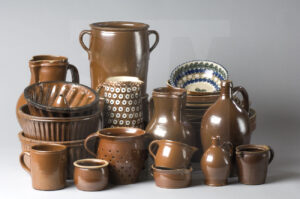
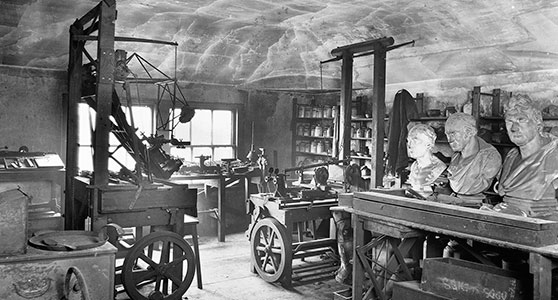
The absence of a signature works in favor of an object in workshop-based segments, where value is built by quality of execution, type, and school origin rather than by the author’s name. This applies to many categories of decorative arts, applied graphics, furniture, ceramics, silver, and objects produced collectively. In market practice, signatures in these segments are rare and not required to establish real market value.
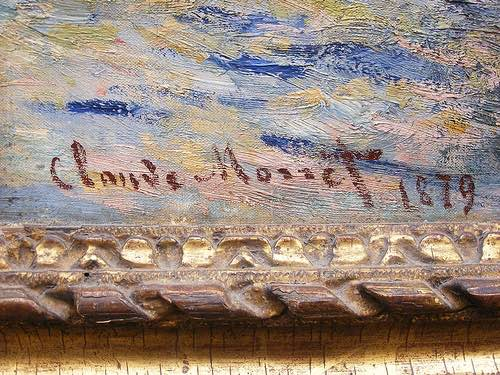
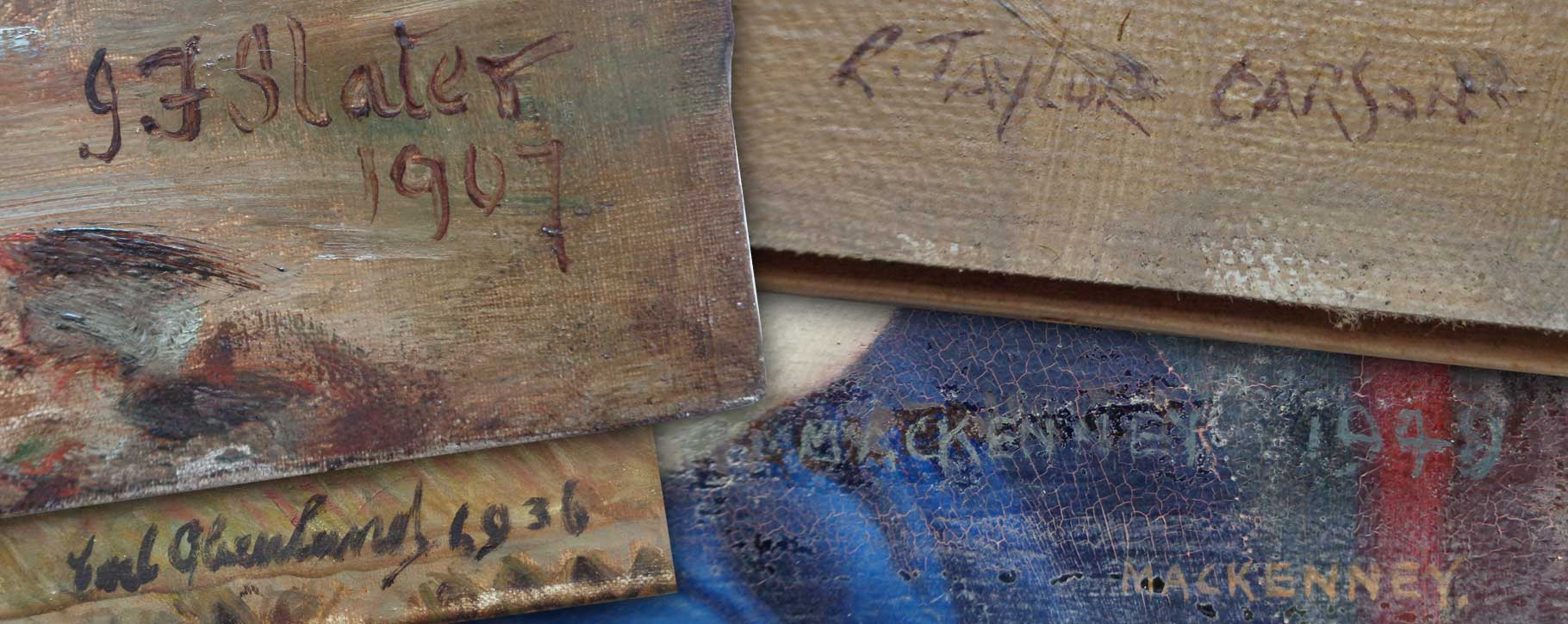
The absence of a signature works in favor of an object when the market suspects secondary signatures. Objects “resigned” after the fact, especially in locations typical for the market, immediately generate questions of authenticity. In market practice, the lack of a signature reduces the risk of disputes over whether the signature is original or added later.
The absence of a signature works in favor of an object when attribution is safer at the level of “workshop / circle / school” rather than “author.” Attribution to a school or circle may be more consistent with comparative material than assigning a risky name carrying a high price premium. In market practice, cautious attribution supports liquidity better than aggressive attribution, which discourages buyers.
The most common owner error is “adding” a signature in order to increase price. Such action introduces permanent legal and attribution risk and damages the original layer, altering condition. In market practice, a secondary signature more often lowers real market value than increases it, because it creates a risk discount.
A typical market misunderstanding is the belief that “without a signature, valuation is impossible.” Professional valuation in many categories is based on comparative analysis of types, workshops, schools, materials, and techniques rather than on a signature. In market practice, an uncertain signature is often a greater problem than no signature at all, because it destabilizes description and discourages buyer segments.
When does valuation NOT make sense (honestly)?
Valuation does not make sense when the object is so typical and mass-produced that the absence of a signature does not change its market position, and the cost of professional valuation exceeds real market value.
Valuation also makes no sense when basic identifying data are missing and cannot be supplemented, making comparative analysis speculative. In such cases, it is honest to speak about category classification and approximate segment rather than a precise figure.

Summary
The absence of a signature can work in favor of an object when the market rewards verifiable quality, workshop practice, and provenance, and when the risk of secondary and false signatures outweighs the benefit of the signature itself in the context of real market value.
FAQ
Does the absence of a signature always lower real market value?
According to ArtRate.art experts, no, because in many segments workshop practice, type, school, and quality are decisive, while the signature is only a secondary element.
Is it worth “adding” a signature to an unsigned object?
In market practice, no, because a secondary signature introduces attribution and legal risk and may permanently reduce real market value.
What is more important than a signature in professional valuation?
According to ArtRate.art experts, more important are comparative analysis, identification of workshop or school, condition, technique, material, and provenance.
Can an object with a questionable signature be worth less than one without a signature?
In market practice, yes, because a doubtful signature increases dispute risk and price discount, even if the object itself is of good quality.
When does the absence of a signature least hinder sale?
According to ArtRate.art experts, when the object is typologically clear, has solid data, stable condition, and provenance that can be documented on the auction and private markets.